Uncategorized

“Leaky Lymphatics”- the Root Cause of Lipedema

Leaky lymphatics are hypothesized to play a central role in the development of fat abnormalities in women with lipedema by disrupting the normal function of the lymphatic system, which is essential for maintaining tissue health. Below is an in-depth explanation of how this phenomenon contributes to the characteristic fat deposition and abnormalities seen in lipedema:


1. Lymphatic Dysfunction and Fluid Accumulation

The lymphatic system is responsible for transporting lymph fluid, which contains waste products, immune cells, and excess fluids, away from tissues and into the bloodstream for removal. In women with lipedema:

  • The lymphatic vessels are believed to be “leaky” or damaged, meaning they allow lymph fluid to seep into surrounding tissues rather than transporting it efficiently.
  • This leakage leads to persistent fluid accumulation in the fat-rich subcutaneous tissue, creating a low-oxygen (hypoxic) and inflammatory environment.

2. Chronic Inflammation in Adipose Tissue

When lymphatic fluid leaks into the surrounding tissue, it contains inflammatory proteins and immune cells. Over time, this triggers chronic inflammation in the fat tissue. Chronic inflammation can:

  • Stimulate abnormal fat cell growth (adipogenesis): Inflammatory signals cause fat cells (adipocytes) to enlarge and proliferate more rapidly.
  • Recruit macrophages: These immune cells try to “clean up” the inflamed tissue but inadvertently release more inflammatory molecules, exacerbating the cycle of tissue damage and swelling.

3. Impaired Removal of Waste and Toxins

Leaky lymphatics also impair the removal of metabolic waste and toxins from tissues. This buildup of waste further stresses the surrounding cells and contributes to:

  • Fibrosis: The formation of stiff, fibrous tissue around the fat cells, which is a hallmark of lipedema.
  • Adipose Tissue Dysfunction: The fat tissue becomes less responsive to normal metabolic signals, such as those regulating fat storage and breakdown.

4. Increased Fat Deposition in Affected Areas

Due to the chronic inflammation, hypoxia, and poor waste removal:

  • Excess fat storage occurs preferentially in areas affected by lipedema (such as the hips, thighs, and legs), even when caloric intake is not excessive.
  • Resistant fat deposits form, which do not respond to traditional weight-loss methods like calorie restriction or exercise.

This localized fat accumulation is distinct from general obesity because it is driven by lymphatic dysfunction and inflammation rather than systemic metabolic factors.


5. Hormonal Influences

Women are disproportionately affected by lipedema due to the role of female sex hormones like estrogen. Estrogen:

  • Regulates lymphatic vessel function, meaning hormonal changes (e.g., puberty, pregnancy, or menopause) may worsen lymphatic leakage.
  • Promotes fat storage in subcutaneous areas (hips, thighs, and legs), which aligns with the regions commonly affected by lipedema.

When combined with leaky lymphatics, these hormonal effects amplify fat abnormalities and worsen swelling in affected tissues.


6. Vicious Cycle of Lymphatic Damage and Fat Abnormalities

The relationship between leaky lymphatics and fat abnormalities creates a self-reinforcing cycle:

  1. Leaky lymphatics lead to fluid accumulation and inflammation.
  2. Inflammation promotes abnormal fat growth and fibrosis.
  3. Increased fat and fibrosis place additional pressure on lymphatic vessels, further impairing their function.

Over time, this cycle perpetuates the progression of lipedema, leading to worsening symptoms and increased difficulty in managing the condition.


Potential Solutions to Address Leaky Lymphatics

While the underlying genetic cause of lipedema cannot currently be cured, there are strategies to support lymphatic health and manage the associated fat abnormalities:

  • Dietary Adjustments: A low-sodium, anti-inflammatory, and plant-based diet can help reduce swelling and inflammation.
  • Exercise: Low-impact activities like swimming, walking, or rebounding can improve lymphatic circulation.
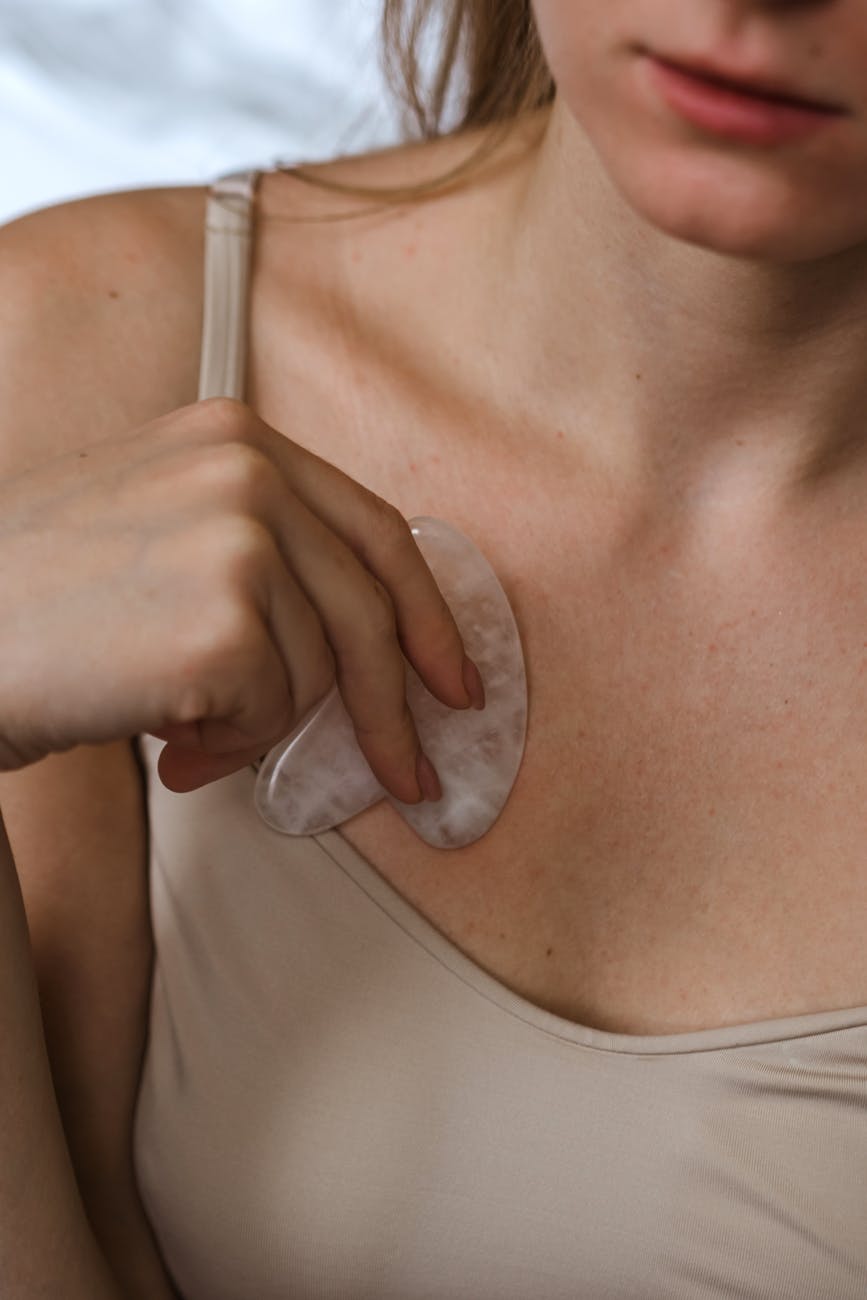
  • Manual Lymphatic Drainage (MLD): A specialized massage technique that encourages lymph flow and reduces fluid buildup.
  • Compression Garments: Support lymphatic function by preventing fluid leakage and accumulation.
  • Medical Interventions: Emerging therapies, like lymphatic surgery or liposuction specifically for lipedema, may address advanced stages of the condition.

In conclusion, leaky lymphatics disrupt normal fat tissue function by creating an environment of chronic inflammation, poor oxygenation, and impaired waste removal. This results in abnormal fat deposition, fibrosis, and swelling, all hallmarks of lipedema. Understanding this connection underscores the importance of managing lymphatic health to improve quality of life for women with lipedema.

Uncategorized

The Link Between Salt Intake and Lipedema Swelling

For women with lipedema, managing swelling is one of the most critical aspects of reducing discomfort and improving mobility. While the root cause of lipedema is hypothesized to be “leaky lymphatics”—a condition where the lymphatic vessels fail to properly transport lymph fluid, leading to fluid buildup and inflammation—dietary choices can significantly impact swelling and water retention. (More about that in my next post!) One of the key dietary factors to consider is salt intake.

Why Does Salt Affect Lipedema Swelling?

Salt (sodium chloride) influences fluid balance in the body. High salt intake can lead to water retention as your body works to maintain a proper sodium-water balance. For women with lipedema, who may already struggle with compromised lymphatic drainage, excessive sodium can exacerbate symptoms, leading to:

  • Increased swelling in affected areas
  • A feeling of heaviness in the legs and arms
  • Increased pain and discomfort

Sea Salt vs. Table Salt: Is One Better?

While reducing overall sodium intake is crucial, choosing a better quality salt can make a difference. Sea salt is often considered superior to table salt for a few reasons:

  • Mineral Content: Sea salt contains trace minerals like magnesium, potassium, and calcium, which can support overall health and potentially aid lymphatic function.
  • Processing: Table salt is highly refined and often contains anti-caking agents and additives, while sea salt is less processed.
  • Flavor Profile: Because sea salt has a richer flavor, you may find you need less of it to season your food.

However, even sea salt should be used sparingly. The focus should be on using salt intentionally while incorporating foods and beverages that naturally reduce swelling and water retention.


Low-Sodium Alternatives to Salty Foods

If you’re trying to reduce your salt intake, here are some low-sodium substitutes for common high-sodium foods:

  • Soy SauceCoconut aminos or low-sodium tamari
  • Potato Chips → Unsalted baked vegetable chips or roasted chickpeas
  • Cheese → Nutritional yeast (adds a cheesy flavor without the salt)
  • Salted Butter → Unsalted vegan butter or avocado as a creamy spread
  • Canned Beans → No-salt-added or rinsed canned beans
  • Salted Snacks → Raw nuts, seeds, or homemade trail mix

Adding herbs, spices, lemon juice, or vinegar can help enhance flavors without relying on salt.


Water Retention and Lipedema: The Role of “Leaky Lymphatics”

The genetic condition known as lipedema is thought to involve “leaky lymphatics.” This means that the lymphatic vessels allow fluid to seep into surrounding tissues rather than transporting it efficiently. As a result, women with lipedema are prone to chronic swelling and may experience more severe water retention compared to the typical hormonal water retention cycle experienced by most women.

Because of this, reducing factors that contribute to water retention—including sodium intake—is especially important. Beyond diet, there are other effective strategies to support lymphatic drainage and minimize swelling.


Foods, Beverages, and Activities to Reduce Water Retention

Here’s a comprehensive list of things you can incorporate into your daily routine to help manage swelling and reduce water retention:

Foods:

  • Cucumber: High water content helps flush out excess sodium.
  • Celery: Contains compounds that promote fluid balance.
  • Watermelon: Acts as a natural diuretic.
  • Bananas: High in potassium, which helps balance sodium levels.
  • Leafy Greens: Rich in magnesium and potassium to reduce water retention.
  • Asparagus: Contains asparagine, which supports kidney function.
  • Beets: High in nitric oxide, which may improve circulation.
  • Pineapple: Contains bromelain, an enzyme that reduces inflammation.
  • Parsley: A natural diuretic that supports kidney function.

Teas:

  • Dandelion Tea: Known for its diuretic properties.
  • Green Tea: Contains antioxidants that may reduce inflammation.
  • Hibiscus Tea: Supports kidney health and reduces swelling.
  • Nettle Tea: Helps flush out excess fluids and supports lymphatic drainage.

Beverages:

  • Lemon Water: Stimulates lymphatic flow and hydrates the body.
  • Cucumber-Infused Water: Enhances hydration while flushing out sodium.
  • Coconut Water: A natural source of potassium to balance electrolytes.

Activities:

  • Rebounding: Jumping on a mini trampoline stimulates lymphatic flow.
  • Lymphatic Massage: Gently encourages lymphatic drainage.
  • Dry Brushing: Helps stimulate the lymphatic system.
  • Yoga: Poses like legs-up-the-wall promote circulation and reduce swelling.
  • Compression Garments: Improves lymphatic drainage and reduces fluid retention.
  • Daily Walks: Supports circulation and prevents stagnation of lymph fluid.

A Vegan Diet for Better Lymphatic Health

Switching to a vegan diet can be an effective strategy for managing lipedema swelling. A plant-based lifestyle is naturally rich in:

  • Anti-inflammatory foods: Such as berries, turmeric, and flaxseeds.
  • Hydrating foods: Like cucumber, zucchini, and leafy greens.
  • Nutrient-dense foods: To provide essential minerals for fluid balance.

By prioritizing whole, unprocessed foods and minimizing added sodium, you can give your body the best chance to manage water retention and reduce swelling caused by lipedema.


Conclusion

While lipedema’s root cause lies in genetic and lymphatic factors, managing salt intake and incorporating low-sodium alternatives can significantly reduce swelling and discomfort. Pairing these dietary changes with hydrating, potassium-rich foods, lymphatic-friendly activities, and a vegan lifestyle can help you take control of your symptoms and improve your quality of life.

What’s your favorite way to reduce swelling and manage lipedema symptoms? Let me know in the comments below!

Uncategorized

My Morning Smoothie: A Vegan Start to Managing Lipedema

As a woman living with lipedema, I’ve learned that diet plays a crucial role in managing this condition. Over the years, I’ve adopted a healthy, anti-inflammatory vegan lifestyle, and I’m thrilled to share the positive impact it’s had on my life. One of the cornerstones of my daily routine is my morning smoothie — a nutrient-packed powerhouse that sets me up for success every day.

Why a Vegan, Anti-Inflammatory Diet?

Lipedema is a condition often associated with chronic inflammation, so choosing foods that combat inflammation is vital. Dr. Michael Greger’s Daily Dozen, a guide to optimal plant-based eating, has been an incredible resource for me. His emphasis on whole, plant-based foods aligns perfectly with an anti-inflammatory approach. Dr. Brooke Goldner’s hypernutrition protocol has also been a game-changer, emphasizing the importance of daily smoothies packed with greens, flaxseeds, and berries to combat inflammation and promote healing.

My Morning Smoothie Recipe

Here’s the smoothie recipe that I’ve been enjoying almost every day for years. Not only does it taste amazing, but it’s packed with anti-inflammatory ingredients:

Ingredients:

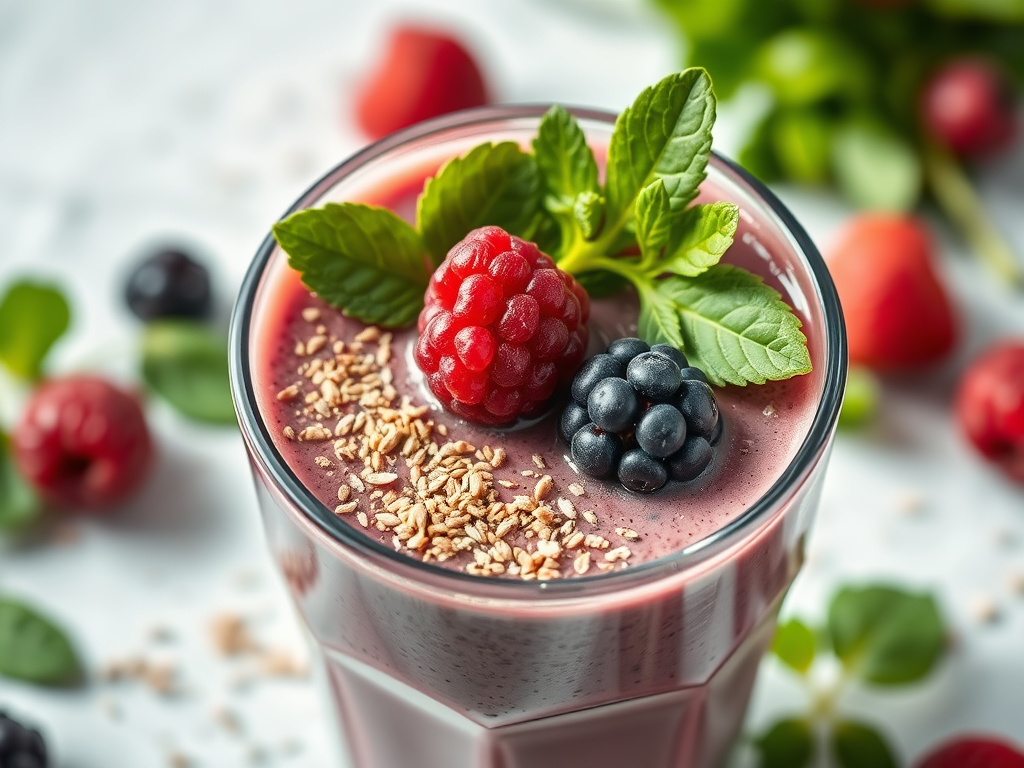
  • 1 cup organic frozen mixed berries
  • 1 cup leafy greens (I use cruciferous microgreens grown on our farm!)
  • 2 tablespoons whole flaxseed
  • ½ scoop Vega Sport Protein (or any organic vegan protein powder that includes 15mg of protein)
  • Optional: Stevia for sweetness or a banana for natural sweetness
  • Water or unsweetened plant milk to blend

Simply blend all the ingredients together until smooth and enjoy!

Breaking Down the Anti-Inflammatory Power

Each ingredient in this smoothie serves a purpose:

  • Berries: Rich in antioxidants and anthocyanins, berries help fight inflammation and oxidative stress. They’re also a great source of vitamin C, supporting skin health and immune function.
  • Leafy Greens: Cruciferous microgreens, like kale or broccoli, are packed with sulforaphane, a powerful compound that combats inflammation and supports detoxification.
  • Flaxseed: A fantastic source of omega-3 fatty acids, lignans, and fiber, flaxseed helps reduce inflammation and improve cardiovascular health.
  • Vegan Protein Powder: A high-quality protein powder ensures I’m meeting my protein needs while staying plant-based. Protein also helps stabilize blood sugar levels and keeps me full longer.
  • Stevia or Banana: Both options provide sweetness without spiking blood sugar levels, and a banana adds a dose of potassium and fiber.

Why This Smoothie Works for Lipedema

Starting my day with this smoothie ensures I’m flooding my body with nutrients that support healing and energy. It’s a quick, convenient way to incorporate key anti-inflammatory foods first thing in the morning. I notice a big difference when I’m consistent with it — my energy levels are steadier, and my body feels more balanced.

Even our toddler loves it! There’s something so rewarding about knowing I’m setting a healthy example and nourishing my family at the same time.

Tips for Success

  • Batch your ingredients: Pre-portion your smoothie ingredients in freezer bags for a grab-and-blend option.
  • Experiment: Swap out greens or berries for variety, or add extras like chia seeds or turmeric for an extra anti-inflammatory boost.
  • Stay consistent: Making this smoothie a habit has been key to reaping its benefits.

Final Thoughts

Managing lipedema with a vegan, anti-inflammatory diet is about consistency, balance, and enjoying the journey. This morning smoothie has become a ritual I genuinely look forward to every day. It’s simple, delicious, and packed with everything my body needs to feel its best. If you’re looking for a way to incorporate more greens and anti-inflammatory foods into your diet, give it a try — you might just fall in love with it like I have!

Uncategorized

Managing Lipedema with Hearty Vegan Winter Soups

Winter is the perfect time to cozy up with a warm bowl of soup. For individuals managing lipedema, soups can be both a comforting meal and a powerful tool for promoting health. When packed with anti-inflammatory, nutrient-dense, plant-based ingredients, soups not only warm the soul but also support your body’s fight against inflammation and swelling. Let’s dive into why hearty winter soups are a game-changer and explore some key ingredients to include in your recipes.


Why Soups are Ideal for Lipedema Management

  1. High Nutritional Density: Soups are an excellent way to pack a variety of vegetables, legumes, and herbs into one meal, delivering essential vitamins, minerals, and antioxidants.
  2. Hydration Boost: Many people with lipedema struggle with fluid retention. Soups, being water-based, provide hydration, which can support lymphatic drainage and reduce swelling.
  3. Easily Digestible: Warm, blended soups are gentle on the digestive system, making it easier for your body to absorb nutrients.
  4. Customizable: You can tailor soups to meet your dietary needs by avoiding common inflammatory triggers like gluten, processed foods, or high-sodium broths.

Health Benefits of Common Ingredients in Lipedema-Friendly Soups

1. Turmeric
Turmeric is a superstar spice in managing inflammation. Curcumin, its active compound, has been shown to reduce inflammation and oxidative stress—both key factors in lipedema management. Add turmeric to soups like lentil or carrot ginger for a golden, healing boost.

2. Ginger
Known for its anti-inflammatory and digestive properties, ginger can ease bloating and improve circulation. Use it in carrot, sweet potato, or squash soups for a zesty kick.

3. Leafy Greens
Kale, spinach, and Swiss chard are loaded with vitamins A, C, and K, as well as antioxidants that support lymphatic health. Blend them into creamy soups or add them to brothy vegetable soups.

4. Lentils and Legumes
These are excellent plant-based protein sources rich in fiber, which aids digestion and helps regulate blood sugar—important for managing lipedema. Lentils also add a hearty texture to soups like dal or lentil stew.

5. Sweet Potatoes
Sweet potatoes are rich in beta-carotene, a powerful antioxidant that combats inflammation. They also provide a naturally sweet, creamy texture to soups.

6. Garlic and Onions
These allium vegetables contain compounds that boost immunity and reduce inflammation. Sauté them as a base for almost any soup to enhance flavor and health benefits.

7. Cruciferous Vegetables
Broccoli, cauliflower, and cabbage are high in sulfur-containing compounds that support detoxification. Incorporate them into blended soups or hearty vegetable stews.

8. Herbs: Parsley and Cilantro
These herbs are natural diuretics and support the body’s ability to flush out excess fluids. Use them as garnishes or blend them into soups like minestrone or creamy potato leek.


3 Lipedema-Friendly Vegan Winter Soup Recipes

1. Creamy Turmeric Lentil Soup

  • Ingredients: Red lentils, coconut milk, vegetable broth, turmeric, ginger, garlic, onion, and spinach.
  • Benefits: This soup is packed with plant-based protein, anti-inflammatory spices, and leafy greens for maximum nutrition.

2. Roasted Sweet Potato and Carrot Soup

  • Ingredients: Sweet potatoes, carrots, vegetable broth, ginger, garlic, and a touch of cinnamon.
  • Benefits: Beta-carotene-rich vegetables and warming spices create a nutrient-dense, comforting dish.

3. Detox Green Soup

  • Ingredients: Broccoli, kale, zucchini, parsley, garlic, and a splash of lemon juice.
  • Benefits: Loaded with antioxidants and detoxifying ingredients, this soup supports lymphatic health and reduces inflammation.

Tips for Making the Perfect Lipedema-Friendly Soup

  1. Choose Low-Sodium Broth: Avoid swelling triggers by opting for low-sodium or homemade vegetable broth.
  2. Add Healthy Fats: Include a drizzle of olive oil or a scoop of tahini for added creaminess and omega-3s.
  3. Blend for Creaminess: Use a high-speed blender to achieve a creamy consistency without the need for dairy.
  4. Batch Cook: Make large portions and freeze individual servings for busy days.
  5. Spice It Up: Use anti-inflammatory spices like turmeric, paprika, and cumin to enhance flavor and benefits.

Conclusion

Hearty vegan soups are a delicious and effective way to support your lipedema management journey. By incorporating anti-inflammatory, nutrient-dense ingredients into your meals, you can enjoy the warmth and comfort of winter soups while promoting better health. Try the recipes above, experiment with your favorite ingredients, and remember: every spoonful is a step toward wellness.

For more recipes, tips, and inspiration, visit my blog and follow along on Instagram. Let’s thrive together! 🌱

Uncategorized

How to Eat Vegan at Restaurants Like a Pro

Let’s get one thing straight: eating vegan at restaurants is not hard. It’s not like we’re asking chefs to grow kale in the back alley and hand-press tofu while you wait. But somehow, ordering vegan can feel like an Olympic sport. Don’t worry, I’ve been a vegan for 12 years and I’ve got you covered with tips that’ll make you a vegan ninja at any eatery. Let’s dive in, shall we?


Step 1: Know Before You Go

Before you even set foot in the restaurant, channel your inner spy and check the menu online. Most places list their dishes, and you can spot your options faster than your friends can say, “What’s seitan?”

Pro Tip: If there are no vegan options, call ahead. This isn’t the 1800s—chefs can whip up something plant-based without a fuss. Just ask nicely… or with mild sarcasm.


Step 2: Befriend the Salad Section

Salads are the obvious choice, but don’t settle for some sad iceberg lettuce with a tomato slice. Tell the waiter you want ALL the veggies, nuts, seeds, and whatever else they’ve got. And ask for dressing on the side—no one needs their kale drowning in creamy ranch.

Sassy Tip: If they give you attitude, casually mention that veganism is trendy now, and you’re basically doing them a favor by gracing their establishment.


Step 3: Side Dishes Are Your Secret Weapon

Side dishes are the unsung heroes of dining out vegan. Sweet potato fries, sautéed greens, roasted veggies—pile them up like you’re building a food pyramid. Bonus: they’re usually cheaper than a main dish, so you can spend extra on dessert. #Winning


Step 4: Customize, Customize, Customize

Think of the menu as a suggestion, not a rulebook. Want that pasta without the cream sauce? Done. Craving a veggie pizza with no cheese? Easy. Most chefs are used to substitutions, so don’t feel bad for asking. You’re a paying customer, not a charity case.

Sassy Tip: If anyone at the table rolls their eyes, remind them that you’re saving the planet while they’re inhaling chicken wings. Then order with extra confidence.


Step 5: Ethnic Cuisine = Vegan Goldmine

Some cuisines are basically vegan-friendly without even trying. Indian, Thai, Mediterranean, Middle Eastern—these places are your new BFFs. Look for dishes like:

  • Indian: Chana masala, aloo gobi, dal.
  • Thai: Veggie stir-fries, tofu curries (double-check for fish sauce).
  • Mediterranean: Hummus platters, falafel, tabbouleh.
  • Mexican: Bean burritos, veggie tacos (hold the cheese).

Sassy Reminder: If the menu looks like a meat parade, just order guacamole and margaritas. Sometimes, it’s about survival.


Step 6: Dessert Is Your Right

So, you’ve made it through dinner like a vegan queen, and now it’s time for dessert. If there’s nothing vegan on the menu, ask if they can make something. Sorbet, fruit plates, or even a scoop of dairy-free ice cream might magically appear.

Pro Tip: If all else fails, pull out your emergency stash of vegan chocolate. Every pro knows to keep one in their purse.


Step 7: Handle the Waitstaff with Charm

Your waiter doesn’t need a 30-minute lecture on animal agriculture, so keep it simple. Smile, be polite, and if they go the extra mile to accommodate you, tip generously. Being a vegan isn’t about being that person. It’s about being fabulous and plant-based.


Step 8: Ignore the Haters

You’ll inevitably get the “What do you even eat?” or “Are you sure you’re getting enough protein?” comments from someone at the table. Smile sweetly and say, “Oh, I’m getting everything I need and more—thanks for your concern!” Then steal one of their fries for good measure.


Step 9: Celebrate Your Victory

You did it! You ordered vegan, navigated the minefield of social judgment, and probably ate something delicious. Reward yourself with a coffee, a glass of wine, or a smug Instagram post captioned, “Vegan and thriving. 💚”


Eating vegan at restaurants isn’t hard—it’s an adventure. With a little creativity, a lot of sass, and maybe some pre-dinner snacks in case things go sideways, you’ll be living your best plant-based life anywhere you go. Bon appétit, darling!

Uncategorized

Self-Care Tips for Women with Lipedema (With a Sassy Twist!)


Let’s get real, ladies. Lipedema isn’t just a pesky condition; it’s a diva-level drama queen that demands attention. But don’t you worry—you’ve got this! With a little TLC and a whole lot of attitude, you can show lipedema who’s boss. Here are some fun, fabulous, and downright sassy self-care tips to help you strut your stuff and feel your best.


1. Stay Hydrated, Darling!

Hydration is your BFF. Water isn’t just for basic hydration; it’s your secret weapon against water retention and sluggish circulation. Sip, sip, hooray!

Pro Tip: Start your day with a fancy glass of water (maybe add a lemon slice if you’re feeling extra) and aim for 8-10 cups. Hydration is chic.


2. Eat Like the Queen You Are

An anti-inflammatory diet is basically your edible crown. Think of colorful veggies, juicy fruits, and nutty delights as your royal feast—all while kicking processed junk to the curb.

Key Foods to Include:

  • Leafy greens (kale is your veggie BFF, trust me)
  • Berries (nature’s candy that fights inflammation)
  • Avocados (because you deserve creamy, healthy fats)
  • Spices like turmeric (a sprinkle of golden goodness)

3. Move That Gorgeous Body

Exercise isn’t punishment, it’s your moment to shine! Say goodbye to boring routines and hello to low-impact fun.

Recommended Activities:

  • Swimming (because you’re basically a mermaid)
  • Yoga (namaste, fabulous one!)
  • Rebounding on a mini-trampoline (bounce like no one’s watching)

4. Get Your Lymphatic Groove On

Your lymphatic system is like the backstage crew—it keeps things running smoothly. Help it out with lymphatic drainage massages or dry brushing. Trust me, your body will thank you.

Self-Care Tip: Use a soft-bristled brush and brush toward your heart. Bonus points for turning it into a spa-like ritual.


5. Compression Garments: Your New Bestie

Compression garments are like Spanx but with actual benefits. They’ll keep you supported and stylish while reducing swelling. Find a pair that fits like a dream and flaunt it.

Pro Tip: Slip into these beauties during workouts or long Netflix binges for ultimate comfort.


6. Give Your Mind Some Love

Life with lipedema can be overwhelming, so don’t forget to pamper your mental health. Whether it’s journaling your sassiest thoughts or binge-watching your favorite rom-com, self-care is a vibe.

Ideas for Stress Relief:

  • A walk in the park with a killer playlist
  • Guided meditations (because zen is the new sexy)
  • A bubble bath with candles and your favorite book

7. Glow Up with Skincare

Your skin deserves as much love as the rest of you. Treat it to a VIP skincare routine that hydrates and soothes.

Skincare Tips:

  • Slather on a luscious, fragrance-free moisturizer
  • Say no to scalding showers (your skin’s not into that)
  • Never skip sunscreen—you’re too fabulous for sun damage

8. Celebrate Every Win

Got through the day without stress-eating half the pantry? Did your morning yoga without falling over? Celebrate, queen! Every little victory deserves a round of applause.

Self-Care Reminder: Progress is progress, no matter how small. You’re a work of art in progress, and that’s beautiful.


9. Knowledge is Power (and Totally Sexy)

Learn about lipedema so you can tackle it like a pro. The more you know, the more you’ll feel in control. Nerd out with books, blogs, or documentaries.

Recommended Resources:

  • Lipedema Foundation
  • Blogs by fierce lipedema warriors
  • Online forums where queens like you connect

10. Find Your Squad

No woman is an island. Build a support system of family, friends, or fellow lipedema warriors who get it. Share your stories, your struggles, and your successes—because queens lift each other up.

Ways to Connect:

  • Join lipedema Facebook groups (your new virtual girl gang)
  • Attend local or virtual support meetings

Managing lipedema might be a challenge, but you are unstoppable. With a little sass and a lot of self-care, you can take charge of your health and live your best life. Remember, you’re not just surviving lipedema—you’re thriving. Go get ‘em, queen!

Photo by Anna Shvets on Pexels.com
Uncategorized

How to Start a Vegan Diet in January for Veganuary

January is the perfect time to make positive changes, and what better way to kick off the new year than by participating in Veganuary? This global movement encourages people to try a vegan diet for the entire month of January. Whether you’re doing it for your health, the environment, or animals, transitioning to a vegan diet can be a rewarding experience. Here’s a step-by-step guide to help you start strong and stick with it.


1. Understand the Benefits of a Vegan Diet

Knowing why you’re trying veganism can help you stay motivated. Here are some compelling reasons:

  • Health Benefits: A plant-based diet can lower cholesterol, reduce inflammation, and improve overall well-being. It is especially helpful for the 15% of women worldwide who have lipedema!
  • Environmental Impact: Eating vegan reduces your carbon footprint, water usage, and deforestation.
  • Animal Welfare: A vegan lifestyle spares animals from harm and exploitation.

2. Start with What You Know

Transitioning to a vegan diet doesn’t mean starting from scratch. Take a look at meals you already enjoy and veganize them. Love pasta? Swap out the cheese for a plant-based alternative. Enjoy stir-fries? Just replace meat with tofu or tempeh.


3. Stock Your Pantry with Essentials

Having a well-stocked pantry makes cooking vegan meals easier. Start with these staples:

  • Grains: Brown rice, quinoa, oats, and whole-grain pasta.
  • Legumes: Lentils, chickpeas, black beans, and split peas.
  • Nuts and Seeds: Almonds, chia seeds, flaxseeds, and sunflower seeds.
  • Spices and Condiments: Nutritional yeast, soy sauce, tahini, and smoked paprika.
  • Plant-Based Milks: Almond, soy, oat, or coconut milk.

4. Plan Your Meals

Meal planning helps you stay on track and prevents you from reaching for non-vegan options. Use online resources or cookbooks to find simple recipes. Here’s a sample day:

  • Breakfast: Overnight oats with almond milk, chia seeds, and fresh berries.
  • Lunch: Lentil soup with whole-grain bread.
  • Snack: Hummus with carrot and cucumber sticks.
  • Dinner: Stir-fried tofu with broccoli, bell peppers, and quinoa.
  • Dessert: Dairy-free chocolate or a banana with peanut butter.

5. Try Vegan Alternatives

The market is full of delicious vegan alternatives to make your transition easier:

  • Dairy-Free Cheeses: Brands like Violife, Miyoko’s, or Daiya.
  • Meat Substitutes: Beyond Meat, Impossible Foods, or seitan.
  • Plant-Based Yogurts: Coconut or almond-based yogurts.
  • Egg Replacements: Use flaxseeds, chia seeds, or commercial egg replacers for baking.

6. Explore Vegan Restaurants and Cafés

Take advantage of Veganuary to discover vegan-friendly eateries. Use apps like HappyCow to find vegan restaurants near you. Trying new dishes can inspire your home cooking.


7. Join a Community

Support from others makes any challenge easier. Join online forums, social media groups, or Veganuary’s official website to connect with other participants. Share recipes, ask questions, and celebrate your successes.


8. Educate Yourself

Learning about veganism can help you stay committed. Watch documentaries like Forks Over Knives, The Game Changers, or Cowspiracy. Read books like How Not to Die by Dr. Michael Greger or The Vegan Starter Kit by Dr. Neal Barnard.


9. Be Patient with Yourself

Transitioning to a vegan diet is a process, and it’s okay to make mistakes. If you accidentally eat something non-vegan, don’t be too hard on yourself. Focus on your progress and remember why you started.


10. Celebrate Your Success

By the end of January, take a moment to reflect on your journey. You might notice improvements in your energy, mood, or even skin. Celebrate your commitment and consider continuing your vegan journey beyond Veganuary.


Veganuary is an excellent opportunity to try something new and impactful. With a bit of preparation and an open mind, you can enjoy a delicious, healthy, and compassionate start to the year. Are you ready to give it a go? Let’s make January the month of positive change!

Fat Loss Strategies · Satiating Plant Based Meals · Uncategorized

Is a Vegan Fasting-Mimicking Diet Right for You?

Dr. Valter Longo, PhD, is one of the most respected names in longevity and nutrition research. A native of Italy, Dr. Longo is the director of the Longevity Institute at the Universiyt of Southern California in Los Angeles. His book, the Longevity Diet, details his research into the lifestyles of some of the longest lived peoples in the world and provides real-world application tips for disease avoidance.

The Longevity Diet is based on five pillars: Juventology (the study of youthfulness), Epidemiology (the study of disease), Clinical Studies (randomized, controlled experiments), Centenarian Studies (the study of the longest-lived groups of people in the world), and the Study of Complex Systems (using an engineering approach to generate models to understand the complex interaction between food, cellular damage, and aging). The book advocates for a nearly 100% whole food plant based diet (allowing low-mercuty fish twice per week); low protein consumption (0.31 grams per pound of body weight per day); eliminating saturated, hydrogenated, and trans fats in favor the othe healthy fats found in nuts and olive oil; eating a wide variety of plant foods; eating twice per day plus a snack; fasting for at least 12 hours per day (between dinner and breakfast); practicing a prolonged fasting of five days at least twice per year; and maintaining a healthy weight.

The book has specific sections dedicated to how his diet guidelines improve/prevent cancer, diabeted, cardiovascular disease, Alzheimer’s and other neurodegenerative diseases, and inflammatory and autoimmune diseases. However, there is a special discuss of Dr. Longo’s fasting-mimicking diet. He details how research suggested fasting for approximately five days every few months was extremely health promoting. Benefits include blood sugar regulation and autophagy. However, he discovered that by limiting protein AND carbohydrate consumption, and focusing on eating healthy fats such as nuts and olive oils, and complex carbohydrates in the form of vegetables; one could essentially trick their body into believing it was in a fasting environment. The body would behave as if it were fasting, but one could feel satiated and eat up to 1100 calories per day in order to have the energy to face family, work, and chores. He advocates that overweight individuals can follow this plan for five days per month every month to achieve consistent weight loss and reach their ideal weight.

I just completed my five day fasting-mimicking diet and I can attest that eating nuts and vegetables was not only do-able, but pleasureable! I lost weight, gained mental clarity and focus, and found myself not very hungry throughout the week! Dr. Longo asserts that this type of diet increases the production of stem cells, reduces abdominal fat, lowers risk factors for various illnesses, improve skin quality, increases mental focus, and decreases the compulsion of binge eating upon returning to a normal diet. I truly believe this is one of the most revolutionary health books I’ve ever read and can’t wait to post more about my experience! Click the link above to read more about The Longevity Diet, including who should avoid fasting-mimicking diet and how to use this plan to achieve your goal weight!

Fat Loss Strategies · Mindset and Motivation · Practical self-care strategies · Uncategorized

Is it possible to be overweight AND undereating?

We’ve heard it since 6th grade PE class. If you eat more calories than you need, you’ll gain fat. And in order to lose weight, you just need to eat fewer calories… or at least that’s what the experts in our lives told us. Doctors, PE teachers, coaches, family members, magazines, etc. all told us that we needed to eat less to lose weight. And if you wanted to lose weight and reach your ideal body weight, you listened, didn’t you? You listened to them:

  • you starved yourself
  • you got comfortable with the feeling of being hungry
  • you always ate less than you wanted (except for those binges that resulted from hours and days of deprivation)
  • you beat yourself up when you gave in to cravings
  • you always tried again every Monday

Fast forward past all puberty, childbirth, sedentary jobs, traumatic and painful times in our lives, and all of the stressful events in our life that contributed to weight gain. You may be left with unwanted fat, and completely baffled by how you could be constantly dieting for years and decades, yet still be overweight!

Kim Kardashian eats 1700 calories per day, and is 5’3 and 110 pounds. Have you tried losing weight eating by eating between 1600-1800 and still failed to lose a single pound? How can a woman or man who weighs 100 pounds more than Kim Kardashian NOT lose weight consuming the same amount of caloric energy that she does?

How can a woman or man who weighs 100 pounds more than Kim Kardashian NOT lose weight consuming the same amount of caloric energy that she does?

The answer, quite simply, is metabolism. What if I told you that the harder you have tried to lose weight, the more difficult it will be? The second you decide to drastically cut calories in order to maximize your caloric deficit, you are creating a plateau and will be stuck at that undesirable weight until you begin to nourish your body. The key to weight loss is slow and steady weight loss, otherwise your body will work against your best efforts. And you may be burning more than you thought you were! (Check out the weight loss calculator at the end of this article)

Reverse dieting is all the rage in weight loss and body building communities these days, but what does it mean? Reverse dieting is the act of beginning to add MORE calories to your diet at a slow rate, in order to end a diet or increase your metabolism. Everyone has heard about folks who lost large amounts on weight, only to return to the unhealthy eating habits of their past and regain the weight they lost (and then some!). Your body is designed for survival. If you overfeed, it will store the extra calories as body fat for a future famine when you may need that fat for energy! The problem is, that in America, that day of famine never comes, and our bodies are biologically designed to hold on to that body fat.

But what if I told you that gradually increasing the calories you eat might actually result in weight loss? I personally never lost a pound after months of eating 1700 calories, but when I increased my intake to 2000 calories of whole food plant based meals, I finally saw the scale move in the right direction! Of course everyone’s target calories are unique to their age, height, weight, and activity level! What types of foods are considered WFPB? Whole grains, root vegetables, legumes, vegetables, fruits, seeds, and nuts, of course!

You know what else happened when I increased my caloric intake? I felt happier and healthier. I was more energetic to squeeze in that dog walk. I had less brain fog and more focus. I became goal-oriented. I met my pedometer and step goals with ease! It is possible that the rut you are in is caused by under nourishing yourself, and if you simply increased your intake of healthy foods, you would feel re-energized AND would accomplish your health related goals! Reach out any time to discuss your weight goals with me. I’m here for you!

Also, I highly recommend the following calculator for weight loss. Track your calories for a few day and see if you are eating more or less than this target! https://www.bodybuilding.com/fun/macronutcal.htm

Photo by Amina Filkins on Pexels.com
Fat Loss Strategies · Mindset and Motivation · Uncategorized

“Intuitive Eating” and Other Lies the Internet Tells

The internet is filled with people who want to tell you good news about your bad habits. 🧁 People who have never experienced obesity think that their 25 pound weight loss (if that!) gives them the authority to tell overweight and obese people that eating the foods that made them fat in the first place will result in weight loss, if they just listen to their bodies. 🤡 Here is the problem with that logic:

🍎 Obesity is caused by insulin resistance and overeating. If people could control their overeating, they wouldn’t be obese in the first place. What’s the solution? Eat the right foods that cure insulin resistance, such as those advocated by @masteringdiabetes ! Whole food plant based low fat foods for the win!
🍎 Obese people often have stretched out stomachs from years of overeating. Is a 100 calorie pack of Oreos going to help them reach their a healthy weight? No- but a low fat whole food plant based diet allows for individuals to eat higher food volume since veggies, fruit, whole grains, potatoes, and legumes are so calorie dilute versus all of the processed crap in the grocery store.
🍎 Obese people have disregulation of their grehlin and leptin systems- which may actually be a genetic issue. Telling obese people to “just stop eating when you are full” is absolutely fat shaming. But filling up on high water content and fiber foods that stretches the stomach lining and effectively signals to the brain that the meal can end is the solution. Not oily foods or processed protein powders, but real whole plant based food filled with micronutrients.

I’m not afraid to use the word “obese” because I’ve been there. And when I studied neuroscience in my undergrad, my professors were involved in research equating the effects of high sugar and high fat foods on the brains of obese people to that of cocaine on the brains of addicts or alcohol on the brains of alcoholics.

I’m definitely not saying you can’t enjoy a slice of birthday cake or some vegan pizza on your date night, but if your goal is weight loss, the name of the game is discipline in eating whole food plant based to create a consistent calorie deficit. The caloric deficit is the only way, and it’s a lot easier to accomplish long term by focusing on whole foods!

Photo by Andres Ayrton on Pexels.com