Fat Loss Strategies · Satiating Plant Based Meals · Uncategorized

The Great Fat Debate!

As discussed in my previous blog post, some vegan adhere closely to Dr. McDougall’s Starch Solution which asserts that “the fat you eat is the fat your wear.” This statement suggests that the dietary fat you consume will convert directly into body fat, which we all know to be false. However, dietary fat does have higher caloric density than both protein and carbohydrate. Therefore, is dietary fat worth counting?

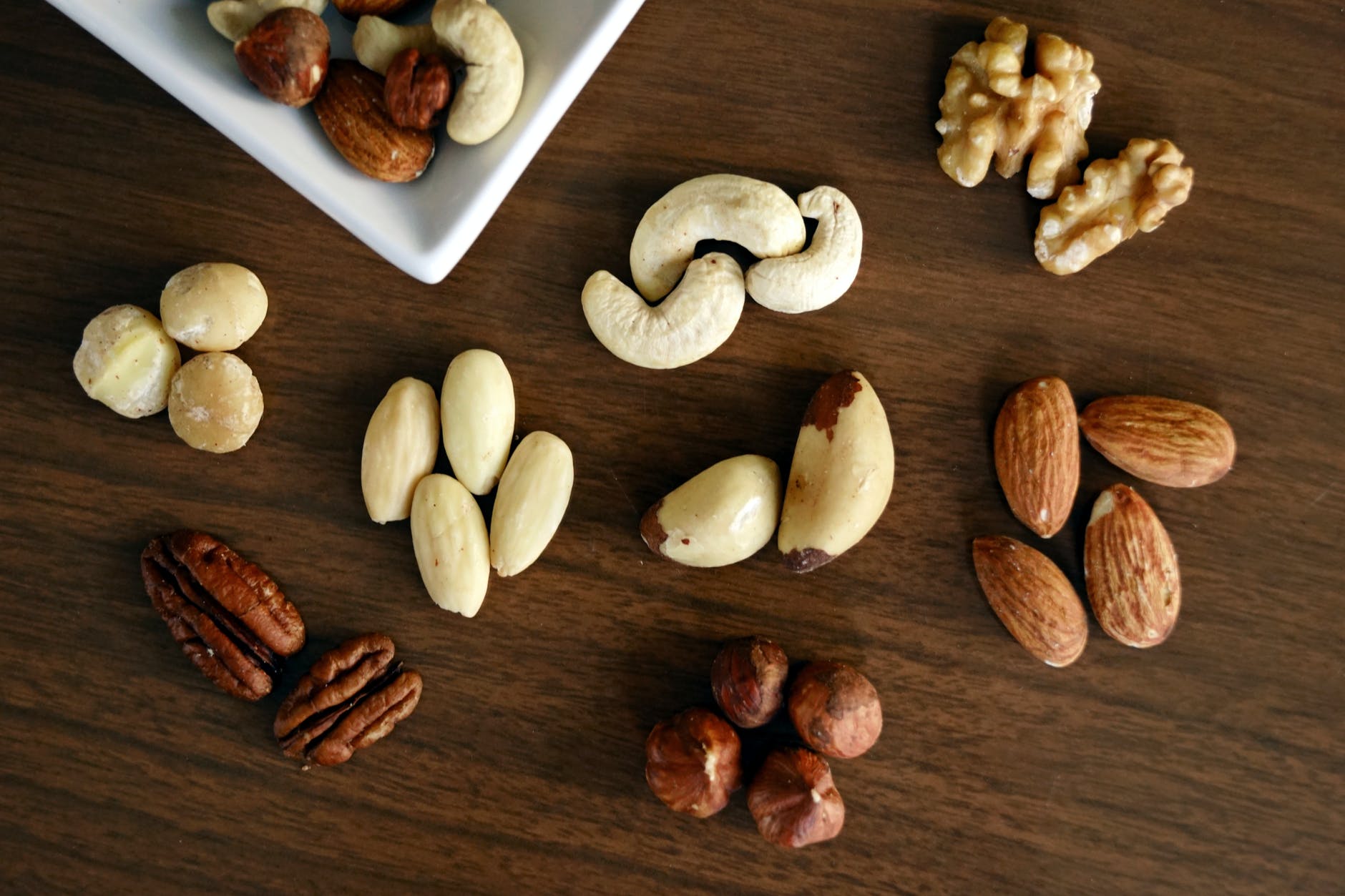
Added dietary fat in the form of oil, margarine, nuts, seeds, coconut, avocado, meat/cheese substitutes, etc. does increase the overall calories in a meal. Meat substitutes, fried food, and creamy desserts are of course high sources of fat, as well. So if you are counting calories or making an effort to burn more calories than you consume, it is important to gauge your fat intake and “spread the fat” but including small amounts in salad dressings or smoothies, in lieu of eating overtly fatty foods.

If your goal is weight loss, start by avoiding all overt fats- meaning all oil, nuts, seeds, avocado, tofu, and meat/dairy substitutes. Many people report very quick weight loss from this dietary adjustment. (Also, check out my Vegan Meal Planner) See over time if you are able to be sufficiently satiated after meals. Veggies, starches, and legumes are fast burning fuel sources! In fact, one of the first things you will here new vegans say is “I’m already hungry and I just ate three hours ago”. This is a serious learning curve for people new to plant based eating. Vegan meals will burn faster than the meat that sits rotting in your stomach and the dairy that constipates your gastrointestinal system! If starches, legumes, and veggies alone are burning too quickly, try adding trace amounts of fats in the form of nuts, seeds, or avocado to your meals to see if that slows down your rate of digestion! Watch your serving sizes of these overt fat sources closely.

Dietary fats also provide essential vitamins, minerals, and fatty acids, as well! Although some outspoken vegan weight loss activists assert that they are doing fine after years of avoiding these foods, other nutrition experts recommend including these fat sources for optimum wellness long term! However, removing them for a few weeks to see how they are impacting your weight loss will not do any harm in the short term!

Photo by Marta Branco on Pexels.com
Fat Loss Strategies · Satiating Plant Based Meals · Uncategorized

The Great Vegan Macro Debate: 4 Types of Vegans

There are multiple camps within the vegan community when it comes to macronutrient proportions. Their macronutrient proportions vary greatly! Four different types of vegans are detailed below. From the fatphobic to the fatphilic… what type of vegan are you?

There is a large group of folks who are proponents of a low-fat and low-protein version of a plant based diet- consisting mostly of root vegetables, grains, legumes, vegetables, and fruits. Those four food groups are generally made of carbohydrates (including) fiber with small amounts of protein and fat. This is known as a low fat, whole food plant based diet and followers of this lifestyle are advised to avoid nuts, seeds, and avocado. They believe that the trace amounts of dietary fat found in grains and other high carb food sources is sufficient for health. Oils are processed and high in dietary fat, so they are certainly avoided. You may sometimes hear low fat, whole food plant based diet known as “80/10/10” referring to 80% carbohydrates, 10% protein, and 10% fat and it is based on the concept of caloric density- meaning you will fill yourself up with low-calorie vegetables and starches and avoid high-calorie nuts, seeds, oils, meat substitutes, etc. Dr. John McDougall’s Starch Solution and YouTube personality Chef AJ are proponents of this way of eating!

Low fat, whole food plant based- personified! Photo by Nathan Cowley on Pexels.com

Another camp considers themselves simply whole food plant based (WFPB). The difference here is that they consider nuts, seeds, and avocado in their whole form to be acceptable food groups in smaller amounts; in addition to starches, legumes, fruit, and veg. Some folks who have tried a strict low fat diet find themselves hungry shortly after eating, and argue that dietary fat from whole plant sources (such as nuts, seeds, and avocado) are a necessary factor for satiation. They also argue removing these plant fat sources from the diet can be damaging for integumentary, brain, and eye health. Although tofu is processed, it is generally considered acceptable in the whole food plant based community (in moderation). Often times, whole food plant based diets hover around 60-70% carbohydrates, 15-20% protein, and 15-20% fat. Instagram/YouTube influencers HighCarbHannah and PlantifulKiki largely eat this way after using a low-fat version to lose significant amounts of weight!

Whole food plant based- personified! Photo by Designecologist on Pexels.com

Contrary to popular belief, a high-protein plant based diet is possible! Many vegan body builders and highly active vegans shoot for a 50% carbohydrate, 25-30% protein, and 20-25% fat diet. This can be accomplished by centering your meals around protein. For example, each meal should contain tofu, tempeh, edamame, meat substitutes, or protein powder. Attention is made to moderate portion sizes of starches with this eating plan. But vegetables are generally considered “freebies!” Instagram influencers and Nimai Delgado (and his food account) and Bianca Taylor (and her food account).

Protein Conscious Vegan- personified! Photo by Nathan Cowley on Pexels.com

Finally, there is a camp that we will affectionately call “junk food vegans“. These folks do not worry about their macronutrients and opt for all of the sweet, savory, and salty vegan foods, not worrying about how processed they are! They are enthusiastic about trying the latest plant based mock meats and dairy substitutes! They can very easily end up with 50% fat, 25-30% carbohydrate, and 20-25% protein in their diets! But who can blame them? Cashew cheese is f*cking amazing. Beyond sausage is so satisfying. Vegan cupcakes are heavenly. And who doesn’t get excited to learn that another fast food or pizza chain is coming out with more vegan options?! Also, don’t forget that vodka is vegan!

Junk food vegan- personified! Photo by KoolShooters on Pexels.com

What type of vegan have you been? What type of vegan do you strive to be? What macro ratio works for you? It is generally advised in weight loss to start with low fat, whole food plant based. Slowly increase dietary fats from natural plant sources until you find that satiation point. If trying to lose weight, minimize the consumption of processed meat substitutes, sweets, and alcohol!

Fat Loss Strategies · Satiating Plant Based Meals · Uncategorized

Top 9 Plant Based Proteins to Include in Your Meal Plans

OVERVIEW: Increasing the protein content of your meals is the key to satiation! Especially if you are lifting weights or wanting to conserve your muscle mass, you are going to want to shoot for at least 20 grams of protein per meal. Experts recommend roughly 1 gram of protein per pound of body weight per day! Enter your daily energy intake in a calorie counter, and I can almost guarantee that unless you are paying close attention to your protein intake, you are missing that mark! Read below for top sources of vegan protein and suggestions of how to make a meal around these plant powered superfoods!

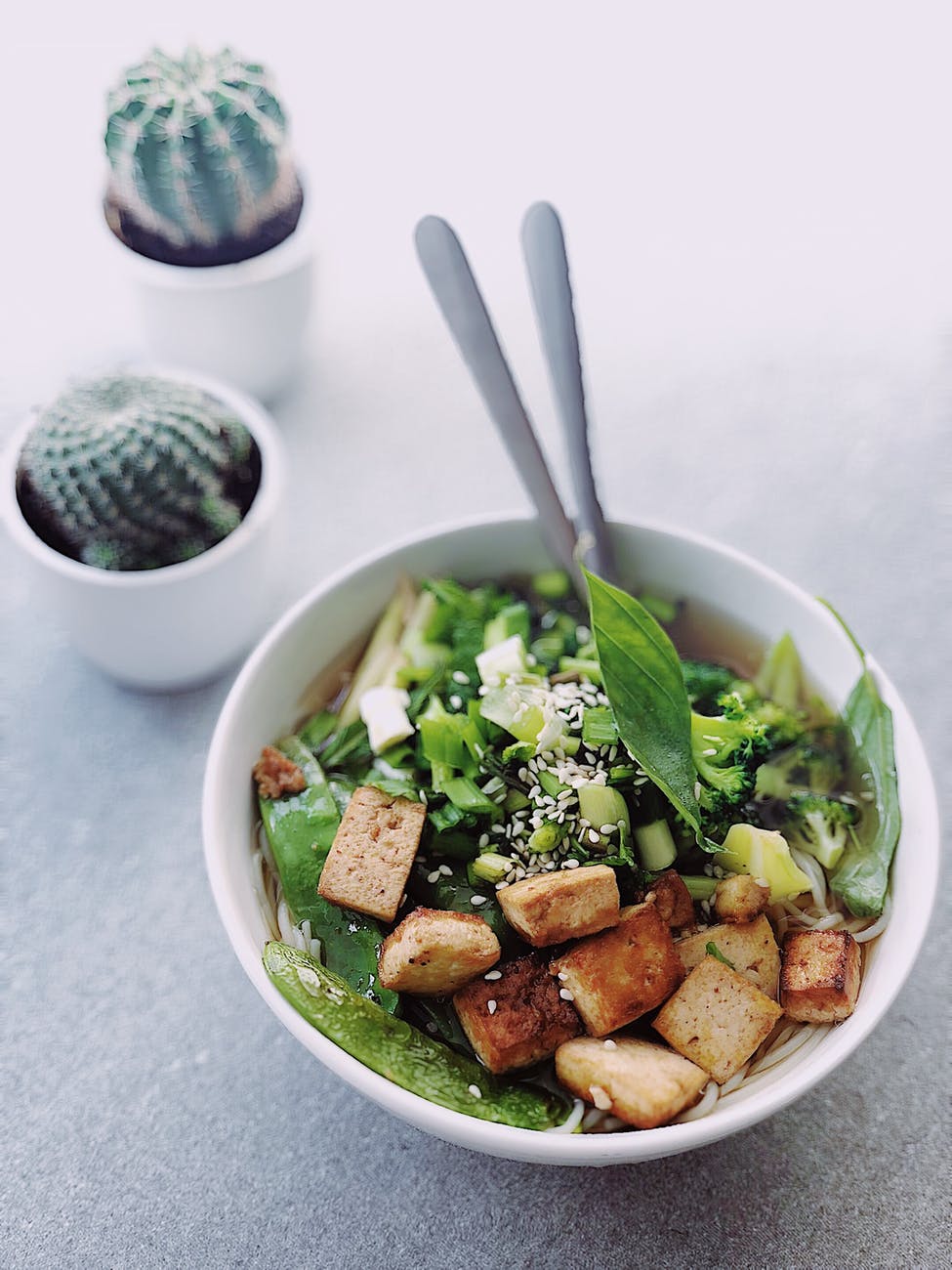
  1. Tofu– you guessed it! If you don’t like tofu, you probably aren’t preparing it well. It’s not supposed to be wet and squishy, unless of course you prefer it that way. If you have previously eaten white chicken meat, you can make your tofu resemble that consistency, savory flavor, and level of proteininess (spelling?) with the right preparation! Any upcoming article will focus on tofu preparation! But for now, opt for extra firm, a delicious marinade, and baking for at least 30 minutes until golden and chewy! Tofu is excellent in stirfry with brown rice and veggies! Each 6 oz serving of extra firm tofu has:
    • 22.6 grams of protein
    • 11.9 g fat
    • 188 calories
  2. Silken tofu makes a wonderful mousse but you can see it has a higher water content, diluting the macronutrients. A 6 oz serving of silken tofu contains:
    • 11.7 grams of protein
    • 4.6 g fat
    • 105 calories
  3. Tempeh is a less common form of soy. My favorite way to eat it is in “bac’n strips” with smoky marinade. A 6 oz serving of those strips features slightly more calories than the plain tofu above, with 4 extra grams of protein:
    • 26.9 grams of protein
    • 11.2 g of fat
    • 313 calories
  4. Beyond meat is a highly controversial topic. It’s that fat content that is the kicker here. Although the product is non-GMO, it falls in the processed foods category. I happily consume it from time to time, in burger and sausage form mostly. However, it is the highest calorie form of protein on this list, so proceed with caution, and opt for natural and whole foods that have lower caloric density whenever possible! But check out these statistics before we continue. A 6 oz portion of Beyond beef features:
    • 30.5 grams of protein
    • 27.5 g of fat!!!
    • 368 calories
  5. Protein Powder- My favorite protein powder, Orgain, comes in a variety of flavors and features of blend of pea, brown rice, and chia seed protein. It’s also fully organic! My favorite ways to consume protein powder are in smoothies and in oatmeal! Also, try adding protein powder to baked goods like pancakes, etc. Two scoops contains:
    • 21.0 grams of protein
    • 4 g of fat
    • 150 calories
  6. Edamame– Raw soybeans get their own special category in this list because they have 33% more protein than their legume counterparts. 6 oz of shelled edamame contains:
    • 20.3 grams of protein
    • 8.8 g of fat
    • 206 calories
  7. Legumes– Some people consider legumes more of a carbohydrate source than a protein source, but it is so important to get that resistant starch and fiber in for your gut health! And, if you are sensitive to beans, try making your own to decrease that digestive distress. I soak dried beans for 1-2 days, then strain and cook in a crockpot with water and a big pinch of sea salt on low for 8-12 hours. If you are new to being a vegan, your gut flora will adjust to legume consumption over time. Other legumes such as garbanzo, black beans, pintos, and lentils feature the following levels per 6 oz servings:
    • 15 grams of protein
    • 1-4 g of fat
    • 220-280 calories
  8. Nuts are a great source of protein and healthy fats. In general, nuts are not an excellent weight loss food because of their high caloric density. They can be used as a garnish, but should never be a main food group in your meal planning. (However, check out number 8 for a great alternative!) A 2 oz serving of nuts contains:
    • 10 grams of protein
    • 25 g of fat
    • 300-320 calories
  9. PB Fit peanut powder is a low fat and low calorie alternative! Try it with an apple, in oatmeal or baked goods, or in salad and stir-fry dressings! A 4 tablespoon serving of this powder consists of:
    • 16 grams of protein
    • 4 g fat
    • 140 calories

Photo by Daria Shevtsova on Pexels.com

Fat Loss Strategies

5 Reasons Smart Women Struggle to Lose Weight

Why is it so difficult for smart women to lose weight? Conscientious women practice “calories in vs. calories out”, tediously count calories, set ambitious goals, make promises to themselves to “stick to it” and still fail to lose the pounds. When that doesn’t work, they rigorously research the latest news in the world of diets, try limiting carbs or fats, and invariably fall off the wagon in a binge of the forbidden foods.

How many notebooks or digital files have you created dedicated to your weight loss journey?

How many different people have you partnered with and bared your soul to?

How much money have you invested in your weight loss goals?

How many times have you modified your dietary habits over holidays and celebrations to be a good little girl and stick to your plan?

When you think of the sacrifices you’ve made, are you happy with the results?

I’m guessing that your answer to some of these questions is “no.” There are energetic blockages that can prevent you from losing weight despite what your calorie counting software would lead you to believe. Here are several reasons why you might be doing everything right according to your calorie counter, but the pounds just aren’t coming off:

  1. Your calorie restriction is probably too extreme.

Smart women want to work efficiently and get things done quickly. That’s why they study thermodynamics and put their calories deficit goal on overdrive without realizing that it will cause failure in the end. We’ve all seen extreme deficits work for some, but if you are a serial dieter, it’s time to give that up! Shoot for a 500 calorie deficit and make peace with the fact that the weight loss will be gradual.

You are not a Victoria’s Secret model, so don’t try to eat like one. Thin or petite women who make a living posting Instagram reels of exotic travel destinations need far fewer calories than obese or overweight women climbing the career lady while balancing a hectic family life or social calendar! You may hear of someone losing weight on 1300 calories, but if you are burning 2300 as a 35 year old woman with a stressful job who walks her dogs (almost) daily and squeezes in chores/family/social engagements all evening and weekend — it’s likely not a sustainable target!

2. You are overworked, exhausted, and nearing burnout.

Smart women work challenging jobs. If you are starting a weight loss journey while you are juggling extreme life stressors such as a job change, new baby, breakup, financial stress, etc. you are putting yourself at risk of burnout. If you feel you are overly stressed, attempting to lose weight puts you at risk of burnout. If your method of embarking on a weight loss plan involves hardcore workouts before/after work at the expense of your sleep and mental wellbeing, then you are putting yourself at risk of burnout. Be kind to yourself, and make sure you focus on small healthy changes during tough times, instead of extreme measures that are bound to fail.

3. You are partying too hard on the weekends.

Smart girls work hard and play hard. No matter how “good” you are during the week, if you spend your weekends going through case of hard seltzers, shots, and/or full bottles of wine; you are going to erase that deficit you created all week. Consider limiting yourself to 1-2 libations, if you must imbibe. It’s also worth considering eliminating alcohol all together if you want to ensure that your calorie deficit- you can do this!

4. Your cheat days are off the chain (in a bad way).

Smart girls plan ahead. Listen, cheat day should not consist of multiple meals containing french fries, more than a single serving of rich dessert, or whole bags of potato chips. Yes, it’s absolutely OK to take a break from perfectly clean eating to enjoy an indulgent meal, but if your cheat day is more like a 24 hour or more binge, you need to exam what you are eating during the week. Binging is a natural response to extreme deprivation. Don’t get angry at yourself for falling off the wagon. If you are binging, the root cause if not getting enough nutrients in your diet due to extremely disordered eating patterns. Reexamine your health eating plan, add a few more calories and healthy versions of the foods you crave, and see if you find yourself avoiding the binge.

5. You don’t believe in yourself.

Smart women make intelligent judgements based on the evidence their mind gathers. This one is for the women who have tried and failed repeatedly, for years or decades. It is only logical that you would lose faith in the process and feel you have done it all. It makes perfect sense that the failures of the past are seared in your memory making it hard to have faith in the future.

I would argue that this is the most important idea in this article. Lean in closely: When you don’t believe in yourself, it looks like negative self-talk. It looks like saying “ugh” when you look in the mirror instead of seeing the beauty while doing a great job of sticking to your plan. It looks like saying to yourself and others “I’m on this stupid diet that probably isn’t going to work anyway.” It looks like frantically changing from one extreme diet to another. It looks like giving up after the scale didn’t move in a week or two.

So what is the solution? If you are going to find success, you have to take time to meditate. Many of your previous weight loss attempts were too extreme. They were designed out of desperation during tough times in your life. They were based on fad diets instead of prioritizing health food. Stop living in the past.

Moving forward, you are going to need to visualize your success at losing weight every single day. You are going to need to start living as the healthy woman you intend to be. You are going to think about what it feels like to be at a healthy weight. How would your coworkers treat you? What would you post on social media? What would you buy when you go shopping? What would you wear as a guest to a wedding? Make space in your day for meditation where you train your subconscious to become the new person instead of being stuck in Groundhogs Day as your old, overweight self! More on this topic coming soon… Thanks for reading!

Love, Kelly (your weight loss bestie)