Fat Loss Strategies · Mindset and Motivation · Practical self-care strategies · Uncategorized

Is it possible to be overweight AND undereating?

We’ve heard it since 6th grade PE class. If you eat more calories than you need, you’ll gain fat. And in order to lose weight, you just need to eat fewer calories… or at least that’s what the experts in our lives told us. Doctors, PE teachers, coaches, family members, magazines, etc. all told us that we needed to eat less to lose weight. And if you wanted to lose weight and reach your ideal body weight, you listened, didn’t you? You listened to them:

  • you starved yourself
  • you got comfortable with the feeling of being hungry
  • you always ate less than you wanted (except for those binges that resulted from hours and days of deprivation)
  • you beat yourself up when you gave in to cravings
  • you always tried again every Monday

Fast forward past all puberty, childbirth, sedentary jobs, traumatic and painful times in our lives, and all of the stressful events in our life that contributed to weight gain. You may be left with unwanted fat, and completely baffled by how you could be constantly dieting for years and decades, yet still be overweight!

Kim Kardashian eats 1700 calories per day, and is 5’3 and 110 pounds. Have you tried losing weight eating by eating between 1600-1800 and still failed to lose a single pound? How can a woman or man who weighs 100 pounds more than Kim Kardashian NOT lose weight consuming the same amount of caloric energy that she does?

How can a woman or man who weighs 100 pounds more than Kim Kardashian NOT lose weight consuming the same amount of caloric energy that she does?

The answer, quite simply, is metabolism. What if I told you that the harder you have tried to lose weight, the more difficult it will be? The second you decide to drastically cut calories in order to maximize your caloric deficit, you are creating a plateau and will be stuck at that undesirable weight until you begin to nourish your body. The key to weight loss is slow and steady weight loss, otherwise your body will work against your best efforts. And you may be burning more than you thought you were! (Check out the weight loss calculator at the end of this article)

Reverse dieting is all the rage in weight loss and body building communities these days, but what does it mean? Reverse dieting is the act of beginning to add MORE calories to your diet at a slow rate, in order to end a diet or increase your metabolism. Everyone has heard about folks who lost large amounts on weight, only to return to the unhealthy eating habits of their past and regain the weight they lost (and then some!). Your body is designed for survival. If you overfeed, it will store the extra calories as body fat for a future famine when you may need that fat for energy! The problem is, that in America, that day of famine never comes, and our bodies are biologically designed to hold on to that body fat.

But what if I told you that gradually increasing the calories you eat might actually result in weight loss? I personally never lost a pound after months of eating 1700 calories, but when I increased my intake to 2000 calories of whole food plant based meals, I finally saw the scale move in the right direction! Of course everyone’s target calories are unique to their age, height, weight, and activity level! What types of foods are considered WFPB? Whole grains, root vegetables, legumes, vegetables, fruits, seeds, and nuts, of course!

You know what else happened when I increased my caloric intake? I felt happier and healthier. I was more energetic to squeeze in that dog walk. I had less brain fog and more focus. I became goal-oriented. I met my pedometer and step goals with ease! It is possible that the rut you are in is caused by under nourishing yourself, and if you simply increased your intake of healthy foods, you would feel re-energized AND would accomplish your health related goals! Reach out any time to discuss your weight goals with me. I’m here for you!

Also, I highly recommend the following calculator for weight loss. Track your calories for a few day and see if you are eating more or less than this target! https://www.bodybuilding.com/fun/macronutcal.htm


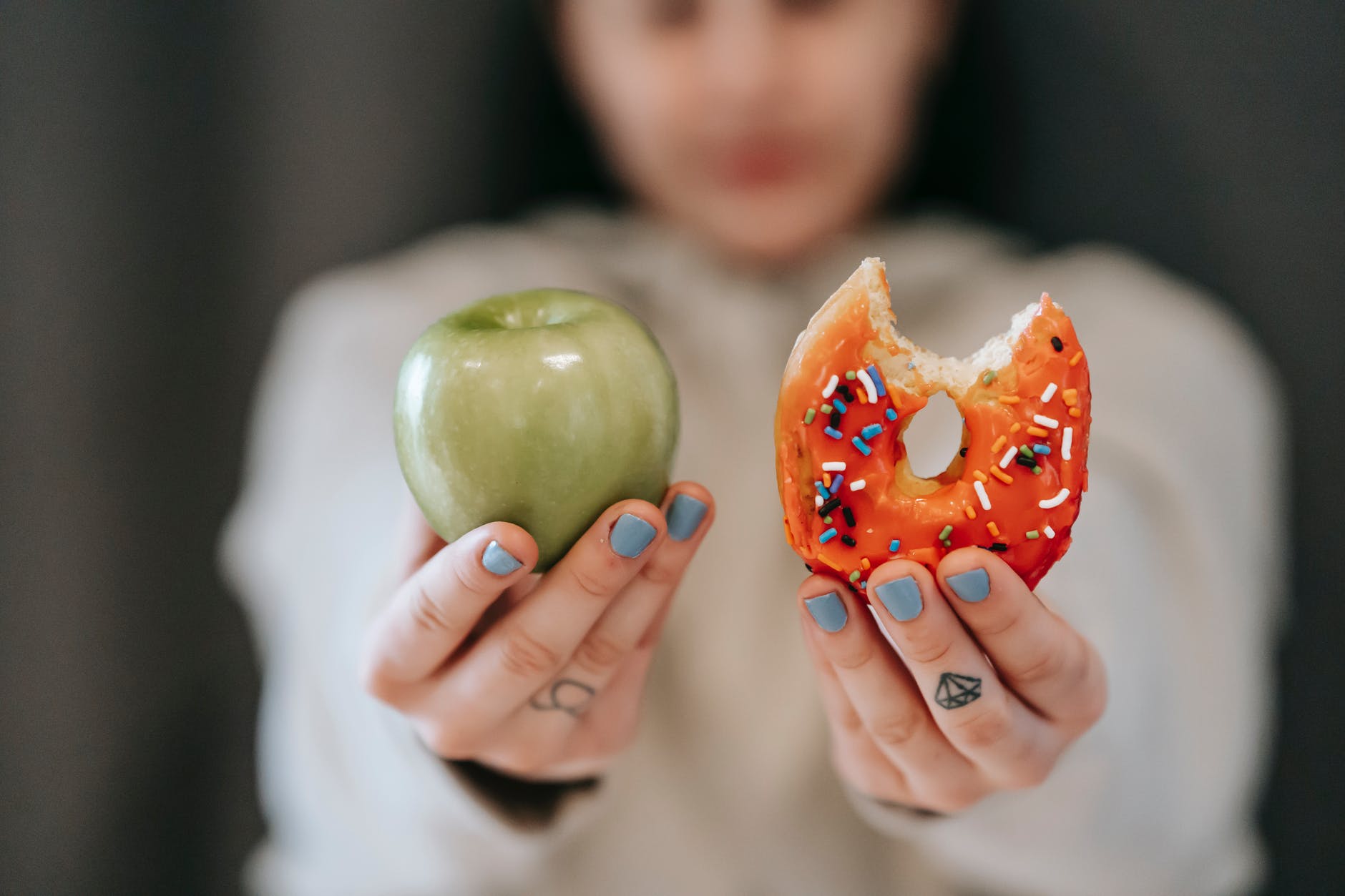
Photo by Amina Filkins on Pexels.com
Fat Loss Strategies · Mindset and Motivation · Uncategorized

“Intuitive Eating” and Other Lies the Internet Tells

The internet is filled with people who want to tell you good news about your bad habits. 🧁 People who have never experienced obesity think that their 25 pound weight loss (if that!) gives them the authority to tell overweight and obese people that eating the foods that made them fat in the first place will result in weight loss, if they just listen to their bodies. 🤡 Here is the problem with that logic:

🍎 Obesity is caused by insulin resistance and overeating. If people could control their overeating, they wouldn’t be obese in the first place. What’s the solution? Eat the right foods that cure insulin resistance, such as those advocated by @masteringdiabetes ! Whole food plant based low fat foods for the win!
🍎 Obese people often have stretched out stomachs from years of overeating. Is a 100 calorie pack of Oreos going to help them reach their a healthy weight? No- but a low fat whole food plant based diet allows for individuals to eat higher food volume since veggies, fruit, whole grains, potatoes, and legumes are so calorie dilute versus all of the processed crap in the grocery store.
🍎 Obese people have disregulation of their grehlin and leptin systems- which may actually be a genetic issue. Telling obese people to “just stop eating when you are full” is absolutely fat shaming. But filling up on high water content and fiber foods that stretches the stomach lining and effectively signals to the brain that the meal can end is the solution. Not oily foods or processed protein powders, but real whole plant based food filled with micronutrients.

I’m not afraid to use the word “obese” because I’ve been there. And when I studied neuroscience in my undergrad, my professors were involved in research equating the effects of high sugar and high fat foods on the brains of obese people to that of cocaine on the brains of addicts or alcohol on the brains of alcoholics.

I’m definitely not saying you can’t enjoy a slice of birthday cake or some vegan pizza on your date night, but if your goal is weight loss, the name of the game is discipline in eating whole food plant based to create a consistent calorie deficit. The caloric deficit is the only way, and it’s a lot easier to accomplish long term by focusing on whole foods!

Photo by Andres Ayrton on Pexels.com
Fat Loss Strategies · Mindset and Motivation · Uncategorized

How to Lose Weight on a Budget

Whether your new year’s resolution is to lose weight, go vegan, or follow a budget; this article is for you! I am one of the hundreds of thousands of people who quit their full time job in Fall of 2021. I was a teacher for 10 years before a second career in healthcare/medical education. At the start of the pandemic, I started a local business which took off and allowed for me to become a full-time entrepreneur! I now run three businesses AND am preparing to buy a second real estate property for investment purposes in the next few months!

Being a full-time entrepreneur has been so exciting, but there are certainly aspects that require adjusting when you are coming from the security of a 9-5 career. One of those things is the need for an emergency savings fund! Right after I quit my job, my home’s air conditioner broke (of course!!). $8,000 later, we had a new furnace and AC unit but a dwindled emergency savings fund.

My new year’s resolutions are to continue losing weight on a whole food plant based vegan diet AND to keep my monthly meals under $350 total per person! Here’s how my $350 in food cost is broken down:

$350 divided by 30 days in a month = $11.67 in food costs per day

Three meals a day = $3.89 each Typical meals look like the following:

Breakfast= 2 baked sweet potatoes (97 cents), totaling 0.75 pounds, with a drizzle of maple syrup, cinnamon, salt, and hot sauce. Berry smoothie featuring 1 cup of frozen organic berries ($2.25) and 1 cup of frozen spinach (38 cents). TOTAL COST: $3.60

Lunch= 1.5 cups of rice (appx 50 cents) and 8 oz of frozen vegetable stir fry ($1.39), with 2 tbsp of teriyaki sauce, and an apple (75 cents)! TOTAL COST: $2.64

Dinner= A tray of roasted vegetables, including 3/4 pound of potato ($1 cents) and 2 cups of frozen green beans, (42 cents) and 2 tbsp of ketchup. TOTAL COST: $1.42

Dessert= 2 frozen bananas (60 cents) with 2 tbsp of cocoa powder to make chocolate banana nice cream! TOTAL COST: $0.60

These three meals cost $8.26 for the core food groups, allowing for some wiggle room in purchasing condiments, coffee, almond milk for that coffee, tea, etc!

Over the past several months, I’ve shifted my baseline diet to an ultra nutrient dense, whole food plant based diet. My current shift is to lower the cost of my groceries for financial freedom as I run multiple businesses and build an emergency savings fund! As I enter week three of this new eating and budgeting arrangement, it’s going great! Legumes, whole grains, vegetables, and fruits for the win! Follow my blog and find me on IG for more budget-friendly vegan weight loss tips!

Photo by Daria Shevtsova on Pexels.com
Mindset and Motivation

A Guide to the New Healthier You!

If you are overweight, you have an overweight mindset. As much as we want to feel like victims to a cruel world that made us fat, ultimately it was our decisions that made our bodies overly fat. Recovery starts by realizing that we have a problem with our current behaviors and taking responsibility for the changes we want to see.

If you are eating junky processed foods, it’s no surprise that you “can’t lose weight”. If your day is largely sedentary, it’s no surprise that you “can’t lose weight”. If you eat clean all week and then go buckwild on the weekends, it’s no surprise that you “can’t lose weight”. In contrast, how would your weight look if you walked at least 5 days a week for 45 minutes, if you did strength training at least 2 days a week for 30 minutes, if you broke up long periods of sitting with a quick Zumba workout, if your everyday breakfasts and lunches were predictably healthy yet satisfying, if dinnertime prep consisted of chopping loads of fresh veggies and whole plant foods?

Perhaps you overeat when you are stressed out. Perhaps you can’t say no when your favorite snack foods are on sale. Perhaps you drink alcohol when you are bored or frustrated. Perhaps your alcohol consumption leads to decreased inhibitions when it comes to food choices. How do we get to be the people we want to be? How can we reprogram ourselves so that our baseline behaviors are healthy ones, perhaps with the exception of special occasions?

Highly successful people know that change comes from within ourselves. The change you seek is seeking you. The person you want to be is always one decision away. Each day, we must choose to be the healthier version of ourselves with our thoughts and behaviors. Would the healthier version of you finish off the tray of Oreos? Would the healthier version of you snack on processed foods while watching Real Housewives reruns? Or do those behaviors belong the the old you- the one that is long gone at this moment, because you decide it is so.

One of the first vegan resources I ever came across was a book series called “Skinny Bitch”. Her attitude, while controversial, was that if you wanted to lose weight, you had to stop acting like a fat person. You had to stop eating what fat people eat. And you needed to start behaving more like a skinny person. This approach received some pushback because there is thin line between this type of reasoning and the flawed reasoning associated with addictive eating disorders. However, I think that overweight folks do need to understand that they are never going to be like that one friend who can eat burgers and fries at the drive through and never gain a pound. If your life experiences have taught you that your genes are programed to accumulate adipose, then behaviors must be changed. And that all starts in the mind.

There is incredible research into manifestation and multiple universe theories that assert that we truly design our future with each thought, behavior, and action. However, this all begins with our thoughts- what we think is possible, what we think we are capable of… You are capable of living a healthier life. You are capable of sticking with it. You are capable of turning your life around and being an inspiration to others. But it begins with your decision to be the new you! More to come on mindset and motivation, but please reach out at weightogovegan@outlook.com or comment below if you are ready for the new you!

Photo by Andres Ayrton on Pexels.com
Fat Loss Strategies · Mindset and Motivation · Satiating Plant Based Meals · Uncategorized

Unpopular Opinion: Intuitive Eating is NOT for Everyone

Call a local nutritionist. Scroll through Instagram. Browse a health/wellness magazine. “Eating intuitively” is a buzzphrase in the weight loss space. But is this sound advice for all peoples? Absolutely not.

147 MILLION people in America are obese. Are all of these people stuffing themselves past the level of fullness everyday? No. If “listening to your body’s hunger signals” worked for all people, then 42% of America would not be obese. If “eat when you hungry and stop when you are full” worked, then why don’t we teach this to the 20% of children who are obese to solve all of their problems. This concept is commonly uttered by thin wellness enthusiasts who have never experienced obesity. And sadly, they don’t realize the harm they are doing.

How “intuitive eating” harmed my health

There was a point when my body would tell me to buy vegan junk food at the grocery store. My body would tell me “just one more Oreo” 25 times in a row. My body would have no problem finishing off an entire bag of salty snack food while watching TV. My body would not be able to stop eating even though my brain was trying to override the hand to mouth movement. My body’s hunger and satiation signals WERE completely out of whack and had been since adolescence. I used intermittent fasting and unhealthy methods of restricting my “eating window” to balance out the caloric intake of these binges.

Out of desperation and complete lack of satisfaction with my growing physical size and overwhelming feelings of being out of control, I contacted nutritionists who blamed my vegan diet for my eating behaviors. They blamed hidden nutrient deficiencies for my binges. They rolled their eyes when I told them I refused to revert back to a standard American diet due to ethical reasons, even when their overpriced blood work all came back normal, showing no deficiencies. But then, they suggested that I needed to learn to listen to my body’s hunger signals to fix this behavior. They said I had been restricting my diet for too long, and that the binges were a result of long term dieting. Finally, we agreed on something.

They told me to listen to my body, eat when hungry, and simply enjoy binge-triggering foods “in moderation”. You can probably guess where this story is going… For me, it’s the salty corn chips and snacks, crunchy cereals, and nuts/nut butters that have always been my downfall. My favorite self-deprecating joke is, “I can eat my weight in Chex Mix!” It’s true what they say, “Once you pop, you can’t stop!”

I followed my nutritionists advice and gained 25 pounds in a relatively short time. I knew that my friends and coworkers noticed although none of them said a single word about it. Moderation was not an option for me. The advice to “eat when hungry” meant that I was eating nearly full sized meals every 2-3 hours. I was listening to my body, and that’s what it was telling me to do. And I was eating what I wanted. Processed and high fat foods that were delicious and always called me back for seconds. When I knew the portions on my plate were too large, I tried to eat mini meals which left me completely unsatisfied. I was completely distracted all day by the thought of my next meal. Thousands of dollars later and 25 pounds heavier, I broke off my relationship with those nutritionists. I can honestly say that this time in my life was the darkest of all of my days.

So how did I get my health back?

I feel healthier now than ever before. And I did figured it out WITHOUT the help of a condescending, anti-vegan nutritionist. I am binge-free for the first time since my teen years! I am in a state of weight loss, despite years of plateaus. I eat three square meals a day comfotably. My hunger is no longer ravenous, but rather a mild nagging reminder that I haven’t eaten in 4-6 hours and should consider what to make for my next meal. My preoccupation with food is gone.

How did I achieve this balance and peace with binge eating and food addiction? The answer is plants- in their whole form. No oil. I began filling half of my plate or bowl with non-starchy vegetables. The other half of my meals consists of starch such as whole, unprocessed grains (such as rice, oats, barley, corn, etc.), potatoes, sweet potatoes, and legumes. This way of eating is advocated by Dr. John McDougall in his book The Starch Solution. Chef AJ, High Carb Hannah, Plantiful Kiki, Chuck Carroll, are YouTube personalities that also promote this way of eating. They attribute their own massive weight loss to this dietary change.

But how does it work? The weight loss from this way of eating is the result of decreased caloric density of your overall meal. Starches have far less calories than meat, cheese, nuts, seeds, and oils. Vegetables have less calories than any other food group. But what they do have are loads of micronutrients, fiber, and water to fill you and satiate you. But avoiding higher fat foods and loading up with starches and veggies, you can eat far more VOLUME with less calories. Dr. McDougall argues that this is the natural diet of the human and that only since the invention of processed foods have we started experiencing early onset diabetes, cancer, and heart disease.

Sample meals

Nonstarchy vegetablesStarches Other ingredients/seasonings
Frozen stirfry veggiesBrown riceLiquid aminos, sriracha, ginger powder
Frozen green beansBaked sweet potatoCinnamon, hot sauce
Roasted Brussels sproutsRoasted potatoesFavorite dry seasoning of your choice and homemade ketchup
Roasted asparagusRoasted butternut squashMaple mustard dressing
Salad mixRice and beansTaco seasoning and salsa
Sautéed zucchiniRoasted acorn squashYour favorite garlic and herb seasonings
Steamed broccoliBrown riceFat free cheese sauce
Boiled cauliflowerBoiled potatoesBoil until tender
Peppers and onionsHashbrown potatoesYour favorite dry seasonings and salsa

I’ve dedicated this blog to sharing this way of eating that has freed me from the shackles of food addiction. For me, the answer was NOT counseling, “listening” to my dysfunctional body, intermittent fasting, skipping meals, diet pills, cutting carbs, or reverting back to meat eating. The answer was PLANTS. Large portions of low calorie foods to fill, satiate, and satisfy my hunger until the next meal… that was the key to breaking my binge eating and starvation cycle! I am excited each meal to fuel my body with wholesome food that nourishes and heals my mind, body, and soul!

I am happy to chat anytime with anyone about this way of eating. Find me on Instagram @weightogovegan, comment below, or email weightogovegan@outlook.com with questions! There is so much more coming soon, but if you are hungry for more information, check out the Starch Solution book that explains everything you need to know about how to eat plants to lose weight and prevent disease! I promise that if you are struggling and commit to trying this for several months, it will change your life as it did mine.

Photo by Darina Belonogova on Pexels.com
Fat Loss Strategies · Mindset and Motivation · Uncategorized

7 Reasons Your Past Weight Loss Attempts Failed

  1. You ate too few calories: Sometimes in our excitement at the prospect of reaching our fat loss goals, we cut calories too low which is not sustainable long term. While there is little scientific evidence to support the idea of a broken metabolism, there is evidence to support the fact that eating too few calories for your daily activity level will eventually lead you to quit your plan and revert to the old eating habits that led to weight gain and plateaus. Busy, working men and women simply will not be able to accomplish their duties at work and home if they are only eating less than 1500 calories long term. Although you may want to go “all in”, consider shooting for 1600-1800 daily calorie goal. That is, unless you live a life of leisure!
  2. You reverted back to old eating habits too quickly: Recently, the idea of reverse dieting has come into popularity. This theory is commonly misunderstood. Reverse dieting simply refers to the idea that after a period of caloric deficit (i.e. eating 1400 calories), you must gradually increase your calories to avoid rapid weight regain as you return to your pre-diet caloric intake. By adding 100 calories per week to your diet until you return to your normal of 2000-2500 calories, you can ensure your metabolism adjusts to this increase in calories slowly. The theory also states that returning to pre-diet normal caloric intake will cause you to regain all of the weight that you lost with a vengeance. Sound familiar?
  3. You had no game plan for social events, special occasions, and holidays: Sure, you knew you were starting a diet a few weeks before your birthday. But did you simply write off that day as a “cheat day”, or did you carefully look at the morning after and thoughtfully consider what you would need to do, eat, and think about in order to get back on track? If you consume alcohol, partying with booze is always going to send your blood sugar in a tail spin. Waking up with a slight hangover is not going to be remedied with a portion-controlled bowl of oatmeal and flax seed. If you’re going to have a cheat day, plan on it and don’t go overboard. But if you’ll be imbibing, plan for your healthy eating to resume 36 hours later!
  4. You didn’t eat frequently enough: This one is dedicated to the whole food plant based eaters. When you eat predominantly vegetables, starches, and fruits, you are going to need to eat more frequently than when you were on a Standard American Diet or even a junk food vegan diet. If you are new to veganism, a vegan diet tends to be lower fat than a conventional western diet. If you are switching from junk food vegan to clean eating whole food plant based, than you will notice a difference in your satiation after meals. The dietary fats in nuts, seeds, faux meats and cheeses, and processed foods certainly attribute to slower digestion and prolonged fullness. However, eating a low caloric density diet by avoiding those higher fat foods is an excellent way to drop pounds. Just be prepared to eat four meals per day, if you find yourself struggling to stay full for 5 hours after each meal! Also be weary of intermittent fasting. Active, busy people may struggle with this way of eating long term.
  5. Your plan was far too restrictive: If you plan involved eating the same three meals each day, it was too restrictive. If your plan involved forcing yourself to eat food that you don’t enjoy, it was too restrictive. If your plan was to never eat certain favorite vegan foods ever again, it was too restrictive. You should be excited about all of the possible meals on your eating plan! Get excited by browsing Instagram and Pinterest for plant forward meals!
  6. You lost motivation too easily: So the scale hasn’t budged in two weeks. Women in particular can experience great swings in body weight due to hormones and salt retention. Also, in you happened to start a weight lifting or exercise regimen at the start of your diet, you likely are going to not see any losses on the scale while you concurrently lose fat and gain muscle. Try weighing in every four weeks instead of being preoccupied with the daily fluctuations you see on the scale. For some, an undesirable scale reading is emotionally distressing enough to cause a binge eating episode. Know your self. Step away from the scale if your happiness is associated with that little number.
  7. You didn’t believe in yourself: You must believe in order to achieve. Successful people visualize their success before it has happened. They behave as though they are their best self, and then their best self arrives over time. They stay dedicated to their goals and refuse to give up. A daily visualization while walking your dog may be all you need to shift your thoughts from negative from positive. Best believe, if you go into a healthy eating plan with the following thoughts, you WILL NOT succeed (so come to terms with your negative thought patterns and stay positive):
    • “I’ve found over time that I am unable to lose weight.”
    • “I know this probably won’t work, but I have to do something.”
    • “I never lost weight before, and I’m not going to lose weight now.”
    • “This may work for them, but I’m broken.”
    • “My medical condition makes it impossible for me to lose weight.”
Photo by MART PRODUCTION on Pexels.com
Mindset and Motivation

The Sneaky Way that Negative Self Talk Keeps You Fat

Photo by Vickie Intili on Pexels.com

What could be the harm in a little self-deprecating humor about your oversized belly or derriere? It may seem like as long as there are no calories in your sarcasm, there is no way it could be harming your goals of achieving a healthy weight. But the truth of the matter is, addressing these negative thoughts and prohibiting yourself from speaking them can help you succeed at the fat loss that has been eluding you!

So many of our thoughts are automatic. That is because they come from our subconscious, animal brain. Think of these thoughts as computer programs that are set to run every time you boot your system up for another day! Changing these programs may feel as difficult as cracking the code to a new computer coding language. But truly it begins with how you react to these automatic thoughts.

When you experience a negative thought regarding your self-image or self-worth, you must immediately address it. For example, if you look at a recent photograph of yourself or spot your reflection in a mirror, your brain may hyper-focus on your least favorite body part out of habit. You may feel a “ugh” when you think about your desire to lose weight and how hard you feel you’ve tried to lose the extra pounds. In these instances, look up at your face. Smile, stand up straight, and express gratitude for your body for getting you this far in life!

Your legs have allowed you to walk miles in the school halls or college campus. They have helped you climb the stairs to your job or the proverbial ladder of your career. Your arms have allowed you to express love to your family and friends. They have helped you carry others when they didn’t have the strength. Your belly may have carried life. Your back helped you stand tall in the face of injustices. You are a badass!

Back to this computer programming analogy. Your automatic thoughts are based on a lifetime of learned behaviors originating from your childhood. If you struggle with self-acceptance as an overweight person, it is likely that you received messaging from family members, peers, bosses, coworkers, television, movies, magazines, etc. that is was no OK to carry extra body fat. You may even have vivid memories of these messages you received in your formative years. As a result, you these programs play in your head when you think about yourself.

These programs sabotage your weight loss efforts. By believing that you are doomed to be overweight, you pick up the extra cookie. You binge drink on the weekends. You choose the fries instead of the side salad at dinner. You sneak the extra cupcake. This inner saboteur must be tamed.

In order to achieve weight loss, you must upload new programs. Just because you have never successfully lost weight before does not mean it is not possible for you. Every day, people overcome their struggles regarding losing weight. Every day people do new things. Here are the new programs you must upload:

I make healthy choices at meal times.

I stop eating when I am full.

I eat when I am hungry to avoid binging later.

I fill my plate with low calorie vegetables!

The healthy meals I prepare nourish my body and help me lose weight!

You must not only believe that it’s possible to lose weight but KNOW that your past failed attempts were largely because of your negative mindset and not because your body can’t or won’t lose weight. It’s not because of your lack of willpower. It’s not because of stress alone. We’ll be talking more about weight loss mindset in future posts, but for now, read the following aloud:

I know I can lose weight. I see others losing weight and I am just as smart as they are. I am ready to commit myself to a weight loss journey now. I am ready to release this fat that no longer serves me. I love being healthy and active!

Mindset and Motivation

7 Crucial Elements for your Self-Care Routine

OK Let’s get real. If you are not working toward implementing a self-care routine at least weekly, you are doing yourself a disservice. We are living in strange times. Maybe watching the nightly news or perusing news apps gets your adrenaline surging. Maybe scrolling Facebook just means reading the comment sections on posts where everyone is fighting about anything and everything! Maybe you can’t shake the uncertainty looming in the future of your job and income. Maybe your family is driving you bonkers!

Does this sound like you? Then keep reading. If not, share your zen lifestyle tips in the comment section below. At the very least, you must find 15 minutes on a weekly basis for “me time”. During this time, get quiet, prioritize sensory experiences, and sit with yourself. Here are seven elements to consider when planning for your next self-care session!

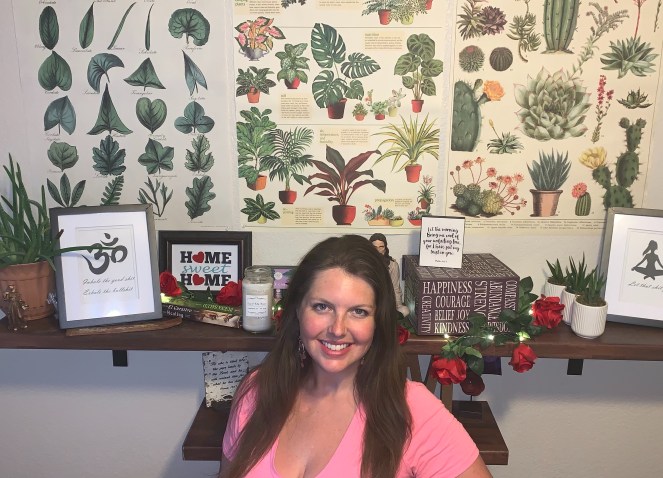
  1. SENSE OF SIGHT: Select a location in your home, even just a corner of a room, where you can keep favorite beautiful and comforting items such as houseplants, framed quotes or prints, comforting photographs, spiritual or religious figurines, your favorite flower in faux form, etc. Whether you choose to close your eyes or not, walking over to these items will bring you joy!
  2. SENSE OF SMELL: Consider lighting a candle, incense, or essential oil burner during your self-care session. People develop strong memories associated with smells, and routinely lighting your favorite lavender scented candle or frankincense can cue your brain to wind down! Even a comforting lotion or fragrance can be the perfect addition to your self-care routine.
  3. SENSE OF TASTE: Bring along a simple glass of water or a cup of herbal tea to your next self-care session. I personally avoid drinking caffeine during self-care time, so either do it before your first cup of coffee or tea; or in the evening when the caffeine has (theoretically) worn off! Herbal teas come in soooo many varieties. Next time you are in the grocery store, pick out something new to make you smile!
  4. SENSE OF TOUCH: Get cozy with fuzzy socks, comforting blankets, a favorite sweatshirt, squishy pillows, comfy pants, or a teddy bear (this is a judgement free zone). You are building a personal piece of comfort heaven. Once upon a time, I piled up pillows in a corner of my office for a cozy place to rest and recuperate. Now, I’ve invested in some super comfy recliner chairs for my husband and I to get centered and manifest!
  5. SENSE OF SOUND: Maybe you are looking for some peace and quiet. But consider some meditation music (just Google it- it’s all over YouTube!), binaural beats with headphones, or a playlist of favorite high vibe songs. Don’t get me wrong, I love grunge as much as the next millennial. But we have got to stick to positive themed music during this precious time! Also, I recently discovered Tibetan singing bowls. There are so many comforting meditative instruments out there. Whatever floats your boat! If you are new to meditation, try a “guided meditation” on YouTube.
  6. COMFORTABLE POSITION: If you can sit in a crossed-leg yoga position and feel comfortable, then do it. If not, consider sitting in a chair, against the wall, or lying on the floor. If you’re like my husband who falls asleep within a few minutes of laying down, that may not be the best for this time intended for self-care. You should feel like you are treating yourself to a comfortable and sensory experience that is all about you!
  7. SETTING INTENTION: Is your intention to think about a problem plaguing you in hopes of discovering a solution? Or to listen to your intuition that is constantly being drowned out by the noise of the crazy world? Or is it to treat yourself physically with self-massage or an epsom salt foot soak? Or to journal? Set an intention for your time and focus on accomplishing this goal in the 5-45 minutes you carve out for yourself!

Do you have other suggestions for self-care beginners? Leave a comment below to share the love with me and my readers!

A peek at my self-care sanctuary