Dr. Valter Longo, PhD, is one of the most respected names in longevity and nutrition research. A native of Italy, Dr. Longo is the director of the Longevity Institute at the Universiyt of Southern California in Los Angeles. His book, the Longevity Diet, details his research into the lifestyles of some of the longest lived peoples in the world and provides real-world application tips for disease avoidance.
The Longevity Diet is based on five pillars: Juventology (the study of youthfulness), Epidemiology (the study of disease), Clinical Studies (randomized, controlled experiments), Centenarian Studies (the study of the longest-lived groups of people in the world), and the Study of Complex Systems (using an engineering approach to generate models to understand the complex interaction between food, cellular damage, and aging). The book advocates for a nearly 100% whole food plant based diet (allowing low-mercuty fish twice per week); low protein consumption (0.31 grams per pound of body weight per day); eliminating saturated, hydrogenated, and trans fats in favor the othe healthy fats found in nuts and olive oil; eating a wide variety of plant foods; eating twice per day plus a snack; fasting for at least 12 hours per day (between dinner and breakfast); practicing a prolonged fasting of five days at least twice per year; and maintaining a healthy weight.
The book has specific sections dedicated to how his diet guidelines improve/prevent cancer, diabeted, cardiovascular disease, Alzheimer’s and other neurodegenerative diseases, and inflammatory and autoimmune diseases. However, there is a special discuss of Dr. Longo’s fasting-mimicking diet. He details how research suggested fasting for approximately five days every few months was extremely health promoting. Benefits include blood sugar regulation and autophagy. However, he discovered that by limiting protein AND carbohydrate consumption, and focusing on eating healthy fats such as nuts and olive oils, and complex carbohydrates in the form of vegetables; one could essentially trick their body into believing it was in a fasting environment. The body would behave as if it were fasting, but one could feel satiated and eat up to 1100 calories per day in order to have the energy to face family, work, and chores. He advocates that overweight individuals can follow this plan for five days per month every month to achieve consistent weight loss and reach their ideal weight.
I just completed my five day fasting-mimicking diet and I can attest that eating nuts and vegetables was not only do-able, but pleasureable! I lost weight, gained mental clarity and focus, and found myself not very hungry throughout the week! Dr. Longo asserts that this type of diet increases the production of stem cells, reduces abdominal fat, lowers risk factors for various illnesses, improve skin quality, increases mental focus, and decreases the compulsion of binge eating upon returning to a normal diet. I truly believe this is one of the most revolutionary health books I’ve ever read and can’t wait to post more about my experience! Click the link above to read more about The Longevity Diet, including who should avoid fasting-mimicking diet and how to use this plan to achieve your goal weight!
Call a local nutritionist. Scroll through Instagram. Browse a health/wellness magazine. “Eating intuitively” is a buzzphrase in the weight loss space. But is this sound advice for all peoples? Absolutely not.
147 MILLION people in America are obese. Are all of these people stuffing themselves past the level of fullness everyday? No. If “listening to your body’s hunger signals” worked for all people, then 42% of America would not be obese. If “eat when you hungry and stop when you are full” worked, then why don’t we teach this to the 20% of children who are obese to solve all of their problems. This concept is commonly uttered by thin wellness enthusiasts who have never experienced obesity. And sadly, they don’t realize the harm they are doing.
How “intuitive eating” harmed my health
There was a point when my body would tell me to buy vegan junk food at the grocery store. My body would tell me “just one more Oreo” 25 times in a row. My body would have no problem finishing off an entire bag of salty snack food while watching TV. My body would not be able to stop eating even though my brain was trying to override the hand to mouth movement. My body’s hunger and satiation signals WERE completely out of whack and had been since adolescence. I used intermittent fasting and unhealthy methods of restricting my “eating window” to balance out the caloric intake of these binges.
Out of desperation and complete lack of satisfaction with my growing physical size and overwhelming feelings of being out of control, I contacted nutritionists who blamed my vegan diet for my eating behaviors. They blamed hidden nutrient deficiencies for my binges. They rolled their eyes when I told them I refused to revert back to a standard American diet due to ethical reasons, even when their overpriced blood work all came back normal, showing no deficiencies. But then, they suggested that I needed to learn to listen to my body’s hunger signals to fix this behavior. They said I had been restricting my diet for too long, and that the binges were a result of long term dieting. Finally, we agreed on something.
They told me to listen to my body, eat when hungry, and simply enjoy binge-triggering foods “in moderation”. You can probably guess where this story is going… For me, it’s the salty corn chips and snacks, crunchy cereals, and nuts/nut butters that have always been my downfall. My favorite self-deprecating joke is, “I can eat my weight in Chex Mix!” It’s true what they say, “Once you pop, you can’t stop!”
I followed my nutritionists advice and gained 25 pounds in a relatively short time. I knew that my friends and coworkers noticed although none of them said a single word about it. Moderation was not an option for me. The advice to “eat when hungry” meant that I was eating nearly full sized meals every 2-3 hours. I was listening to my body, and that’s what it was telling me to do. And I was eating what I wanted. Processed and high fat foods that were delicious and always called me back for seconds. When I knew the portions on my plate were too large, I tried to eat mini meals which left me completely unsatisfied. I was completely distracted all day by the thought of my next meal. Thousands of dollars later and 25 pounds heavier, I broke off my relationship with those nutritionists. I can honestly say that this time in my life was the darkest of all of my days.
So how did I get my health back?
I feel healthier now than ever before. And I did figured it out WITHOUT the help of a condescending, anti-vegan nutritionist. I am binge-free for the first time since my teen years! I am in a state of weight loss, despite years of plateaus. I eat three square meals a day comfotably. My hunger is no longer ravenous, but rather a mild nagging reminder that I haven’t eaten in 4-6 hours and should consider what to make for my next meal. My preoccupation with food is gone.
How did I achieve this balance and peace with binge eating and food addiction? The answer is plants- in their whole form. No oil. I began filling half of my plate or bowl with non-starchy vegetables. The other half of my meals consists of starch such as whole, unprocessed grains (such as rice, oats, barley, corn, etc.), potatoes, sweet potatoes, and legumes. This way of eating is advocated by Dr. John McDougall in his book The Starch Solution. Chef AJ, High Carb Hannah, Plantiful Kiki, Chuck Carroll, are YouTube personalities that also promote this way of eating. They attribute their own massive weight loss to this dietary change.
But how does it work? The weight loss from this way of eating is the result of decreased caloric density of your overall meal. Starches have far less calories than meat, cheese, nuts, seeds, and oils. Vegetables have less calories than any other food group. But what they do have are loads of micronutrients, fiber, and water to fill you and satiate you. But avoiding higher fat foods and loading up with starches and veggies, you can eat far more VOLUME with less calories. Dr. McDougall argues that this is the natural diet of the human and that only since the invention of processed foods have we started experiencing early onset diabetes, cancer, and heart disease.
Sample meals
Nonstarchy vegetables
Starches
Other ingredients/seasonings
Frozen stirfry veggies
Brown rice
Liquid aminos, sriracha, ginger powder
Frozen green beans
Baked sweet potato
Cinnamon, hot sauce
Roasted Brussels sprouts
Roasted potatoes
Favorite dry seasoning of your choice and homemade ketchup
I’ve dedicated this blog to sharing this way of eating that has freed me from the shackles of food addiction. For me, the answer was NOT counseling, “listening” to my dysfunctional body, intermittent fasting, skipping meals, diet pills, cutting carbs, or reverting back to meat eating. The answer was PLANTS. Large portions of low calorie foods to fill, satiate, and satisfy my hunger until the next meal… that was the key to breaking my binge eating and starvation cycle! I am excited each meal to fuel my body with wholesome food that nourishes and heals my mind, body, and soul!
I am happy to chat anytime with anyone about this way of eating. Find me on Instagram @weightogovegan, comment below, or email weightogovegan@outlook.com with questions! There is so much more coming soon, but if you are hungry for more information, check out the Starch Solution book that explains everything you need to know about how to eat plants to lose weight and prevent disease! I promise that if you are struggling and commit to trying this for several months, it will change your life as it did mine.
Microwave steamer: I am absolutely obsessed with this steamer! It is made of silicone, which won’t leach weird chemicals into your food as it cooks. Underneath those luscious veggies, there is a riser that is designed to keep the veggies a few centimeters under the little bit of water you add before placing the lid on. The water boils and circulates to steam the veggies in 8 minutes or less! THIS is why rice and steamed veggies is my fave quick, 10 minute lunch!
Potato Express: This is my favorite contraption for cooking sweet potatoes and potatoes quickly! When I have the time, I oven roast, but at work and when time is limited, I use this fabric bag. Simply wash whole potatoes and pop in the bag. No need to stab with a fork- they will not explode in the bag! A full bag that can lay flat takes about 8 minutes to cook the potatoes! I always have one of these in my desk at work!
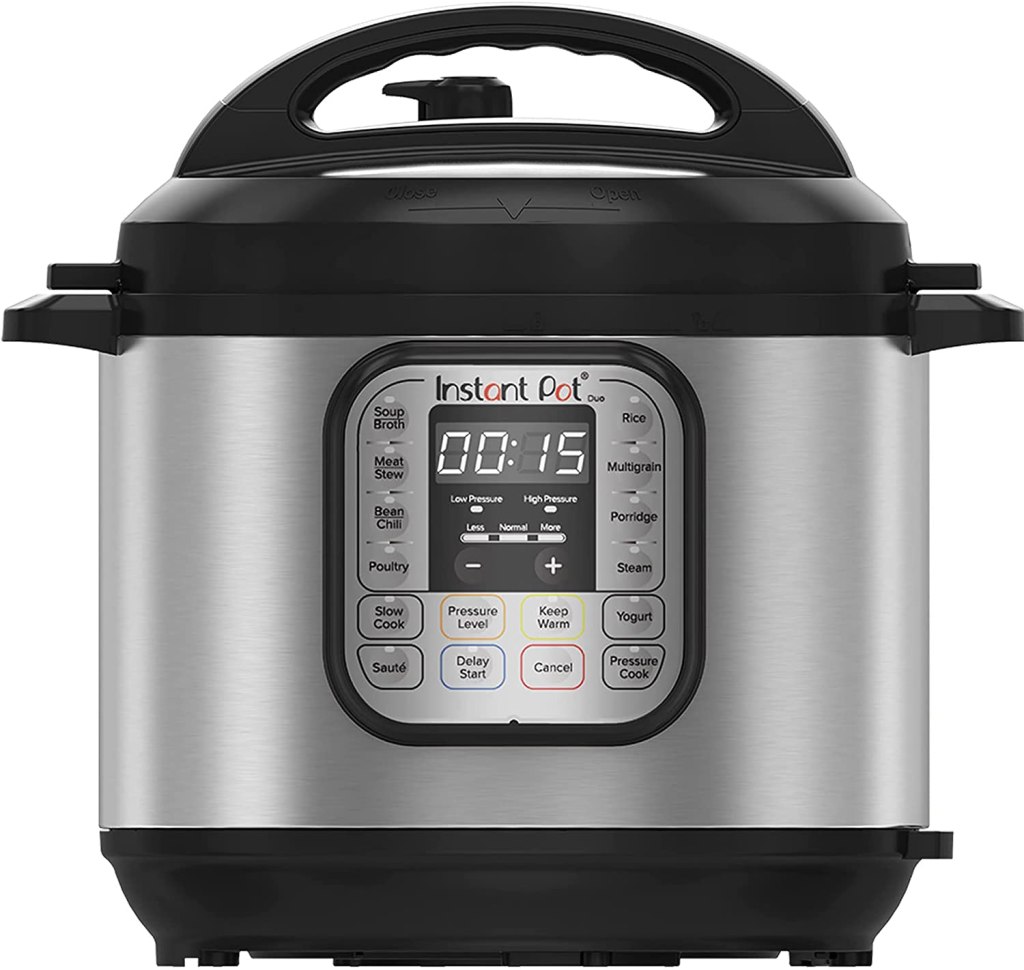
Instant Pot: I own two Instant Pots! I have one large one that I cook my rice in each week, and a mini one (linked to the left) specifically for cooking morning oats (1 cup of oats/groats, 3 cups of water, porridge button = makes 2 servings)! This smaller one is great for single meals, while the larger is great for meal prepping!
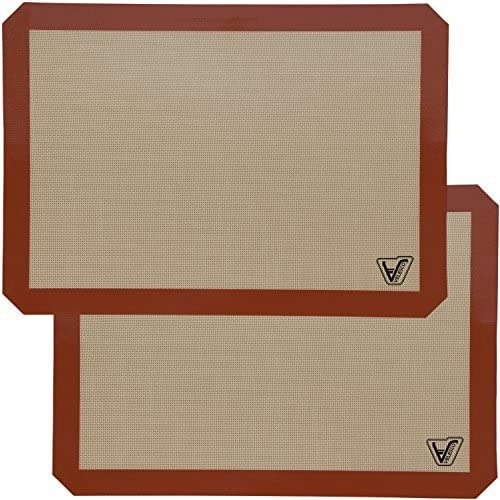
Silicone baking sheet: These baking sheet covers are game changers. Not only will you save on aluminum foil and cleanup, but they really great in the nonstick department. Although I still use a quick spray of Pam when roasting veggies, these are so quick and easy to clean. AND you will save money on baking sheets. I’ve had mine for years!
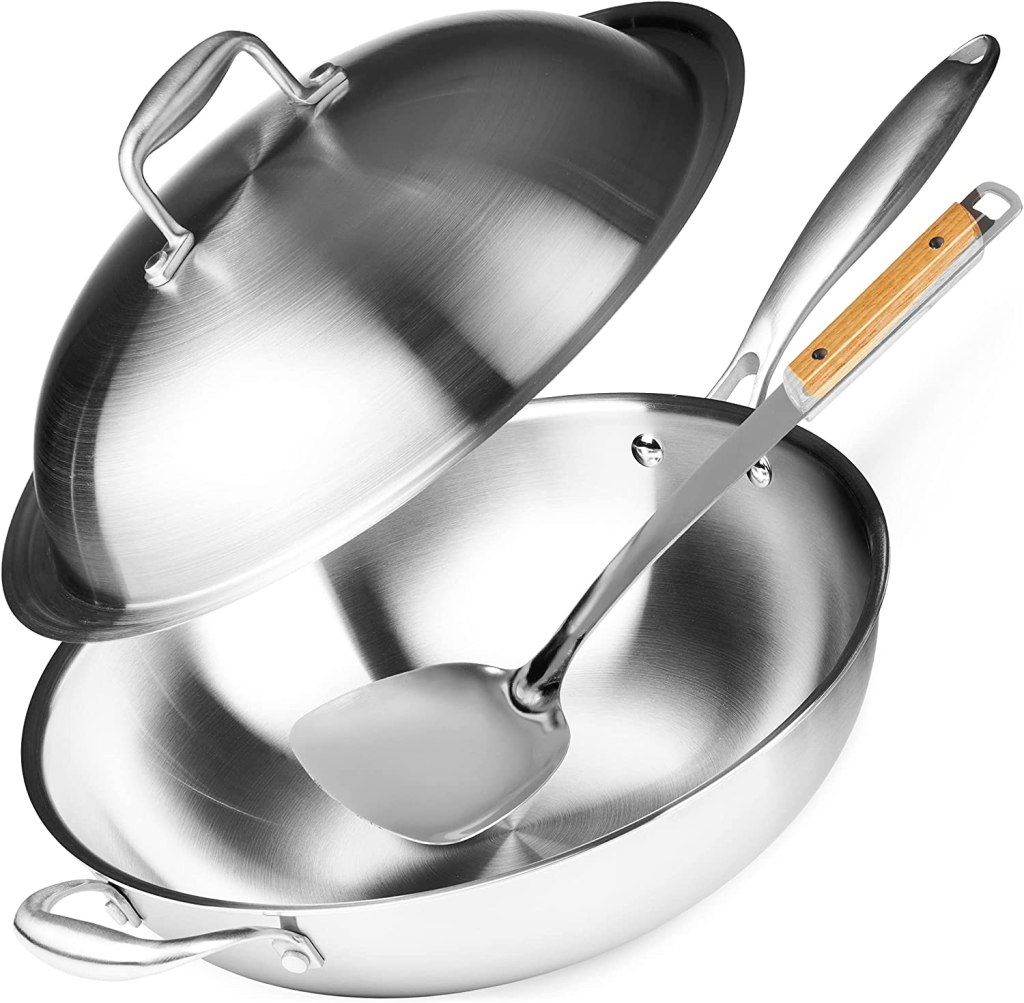
Large stainless steel wok: This wok is amazing. My husband cleans the dishes after I cook, and he always raves about this product! When you are eating whole food plant based, you are preparing a LOT of veggies. You will not survive with some medium sized frying pans. This wok is incredibly nonstick AND holds your biggest stir-fries! We use it often to sauté peppers and onions, which can be a messy task with no oil. Soak it with soapy water, and all that gunk comes right off. It’s also stainless steal so you don’t have to worry about any of those cancer causing nonstick coatings! Check it out!
Listen. I read the vegan blogs. I follow all of the same vegan IG influencers you do. And ain’t no body got time to make all of this vegan grub from scratch each and every day- especially not at breakfast! Busy, professional people with jobs are lucky to get a few bites of ANYTHING down before rushing out the door for work or school! People who have to manage the lives of other human beings (especially miniature humans) can’t take the time to make scrambled tofu and tempeh bacon every morning! This is a list of six super simple and quick meal ideas for busy vegans. Although I name drop some favorite brands, I am not sponsored by any of these companies. Comment below with your favorite quick breakfasts!
Cold Cereal + Ripple Vegan Milk + Fruit
Ripple brand vegan milk is a gamechanger. It is made of pea protein, features DHA omega 3s, and has more calcium than dairy milk! When selecting a cereal, go for something with low sugar (sugar should not be in the top 5 ingredients), high fiber (more than 5 grams per cup), and low fat (less than 4 grams per cup). My favorite cereal is Heritage Flakes from Nature’s Path Organics. Non-GMO, organic, 1.5 grams of fat, 160 calories, 7 grams of fiber, and not too sweet? Yes please! Top your cereal with fresh berries, banana, or a small amount of dried fruit and you will have the carbs, fiber, protein, and antioxidants you need to start your day correctly! In general, granola is very high in fat and calories and should be avoided if you are trying to lose weight, but Trader Joe’s makes a great low fat granola.
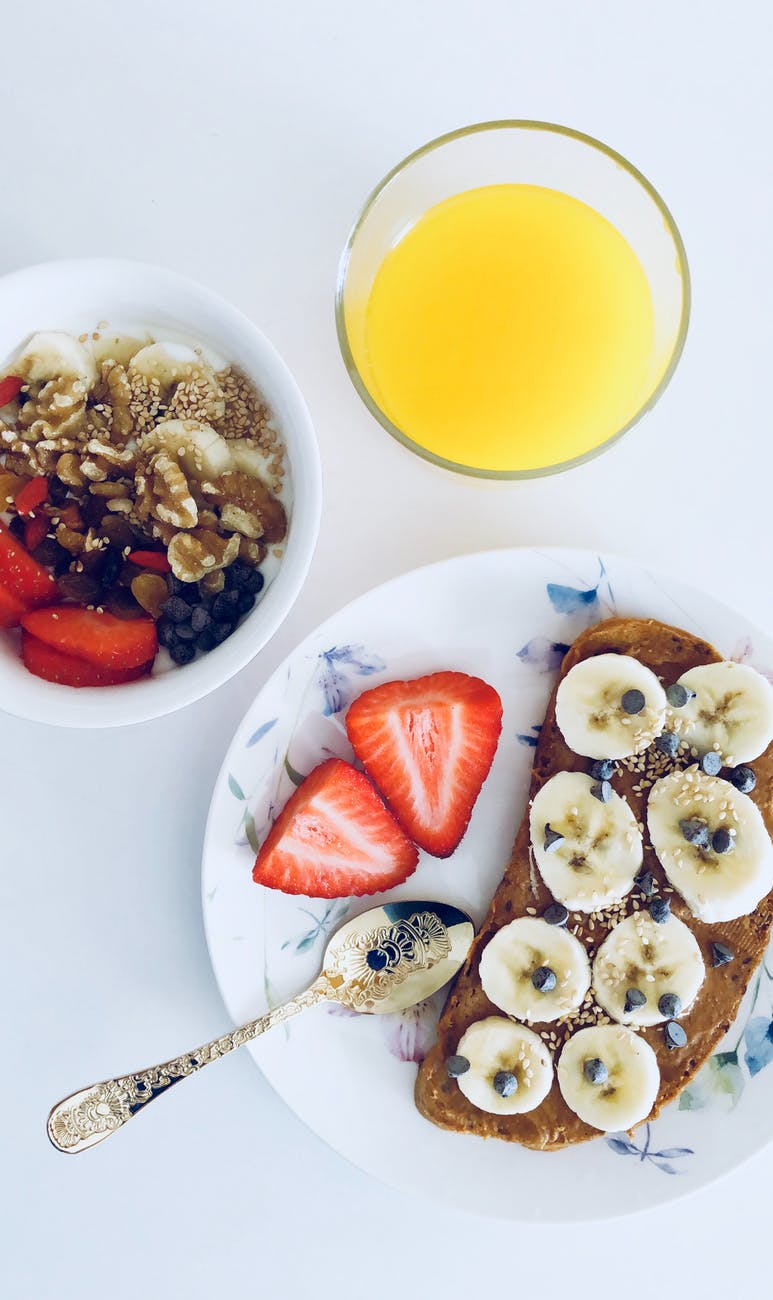
Peanut Butter + Rice Cake/Bread + Jam/Fruit
Toasted PBJ is a classic that is so so satisfying! PB Fit is an excellent low-fat alternative to traditional peanut butter if you are counting fat grams. And there are plenty of alternatives to peanuts in the nut butter category- even some made from seeds and legumes! If you love crunch, then you will love the rice cake option! I love a PBJ on a rice cake, but rice cakes are considered highly processed as puffed grains can be digested very quickly by our GI system. So opt for a hearty high fiber bread if you need to feel fuller for longer! Look for low sugar jam, or even fresh fruit as an alternative.
Hot Cereal + Protein Powder + Fruit
We have a dedicated small InstaPot for the sole purpose of our morning hot cereal. We make oats or oat groats most days, but make a point to try other hot cereals from leftover rice, hemp seeds, quinoa, couscous, or ancient grain blends. Oats pair perfectly with a vegan protein powder and fresh or a small amount of dried fruit. The protein powder increases the satiety factor of the whole grains! Don’t forget the cinnamon, cloves, nutmeg, etc. for added antioxidants and blood sugar regulation!
Polenta + Beans
If you have a few minutes to break out a frying pan, then this one is quick, savory, and delicious! Polenta is sold prepared in a cylinder. Most varieties are vegan, but watch out for added dairy. Open the tube, cut into centimeter slices, pan fry to crisp, flip, and then top with a mixture of beans, seasonings, salsas, hot sauces, etc. A pinch of dairy free cheddar cheese on top goes a long way in the savory flavor department, but avoid overt fats if you are working on weight loss!
Beans on Toast
If you have never tried beans on toast, you need to try it ASAP! Toast your bread well and top with warm refried beans. Feel free to add other toppings such as avocado, peppers, onion, cilantro, salsa, hot sauce, etc. Or keep it simple with sea salt! Beans on toast is popular around the world for a reason- it is filling and hits the savory breakfast spot! You’ll notice avocado toast is not on the list, even though it is quick and easy! Avocados don’t have the lovely protein that beans do, that’s why!
Protein smoothie- silken or protein powder
If you are really short on time, make a quick smoothie. My go-to ingredients are frozen berries, vegan protein powder, and greens (microgreens, spinach/kale mix, or frozen kale). Try also adding silken tofu, frozen beets, mushroom powder for an immune boost, flax seed for extra omegas, banana for an energy boost, greens powders, PB Fit, and/or non-dairy yogurt! If you have an extra minute, enjoy it as a smoothie bowl with fun textured toppings such as coconut flakes, mini chocolate chips, crunchy granola/cereal, etc. It’s also so fun to switch up your frozen fruit base. We love mango smoothies!
As discussed in my previous blog post, some vegan adhere closely to Dr. McDougall’s Starch Solution which asserts that “the fat you eat is the fat your wear.” This statement suggests that the dietary fat you consume will convert directly into body fat, which we all know to be false. However, dietary fat does have higher caloric density than both protein and carbohydrate. Therefore, is dietary fat worth counting?
Added dietary fat in the form of oil, margarine, nuts, seeds, coconut, avocado, meat/cheese substitutes, etc. does increase the overall calories in a meal. Meat substitutes, fried food, and creamy desserts are of course high sources of fat, as well. So if you are counting calories or making an effort to burn more calories than you consume, it is important to gauge your fat intake and “spread the fat” but including small amounts in salad dressings or smoothies, in lieu of eating overtly fatty foods.
If your goal is weight loss, start by avoiding all overt fats- meaning all oil, nuts, seeds, avocado, tofu, and meat/dairy substitutes. Many people report very quick weight loss from this dietary adjustment. (Also, check out my Vegan Meal Planner) See over time if you are able to be sufficiently satiated after meals. Veggies, starches, and legumes are fast burning fuel sources! In fact, one of the first things you will here new vegans say is “I’m already hungry and I just ate three hours ago”. This is a serious learning curve for people new to plant based eating. Vegan meals will burn faster than the meat that sits rotting in your stomach and the dairy that constipates your gastrointestinal system! If starches, legumes, and veggies alone are burning too quickly, try adding trace amounts of fats in the form of nuts, seeds, or avocado to your meals to see if that slows down your rate of digestion! Watch your serving sizes of these overt fat sources closely.
Dietary fats also provide essential vitamins, minerals, and fatty acids, as well! Although some outspoken vegan weight loss activists assert that they are doing fine after years of avoiding these foods, other nutrition experts recommend including these fat sources for optimum wellness long term! However, removing them for a few weeks to see how they are impacting your weight loss will not do any harm in the short term!
There are multiple camps within the vegan community when it comes to macronutrient proportions. Their macronutrient proportions vary greatly! Four different types of vegans are detailed below. From the fatphobic to the fatphilic… what type of vegan are you?
There is a large group of folks who are proponents of a low-fat and low-protein version of a plant based diet- consisting mostly of root vegetables, grains, legumes, vegetables, and fruits. Those four food groups are generally made of carbohydrates (including) fiber with small amounts of protein and fat. This is known as a low fat, whole food plant based diet and followers of this lifestyle are advised to avoid nuts, seeds, and avocado. They believe that the trace amounts of dietary fat found in grains and other high carb food sources is sufficient for health. Oils are processed and high in dietary fat, so they are certainly avoided. You may sometimes hear low fat, whole food plant based diet known as “80/10/10” referring to 80% carbohydrates, 10% protein, and 10% fat and it is based on the concept of caloric density- meaning you will fill yourself up with low-calorie vegetables and starches and avoid high-calorie nuts, seeds, oils, meat substitutes, etc. Dr. John McDougall’s Starch Solution and YouTube personality Chef AJ are proponents of this way of eating!
Low fat, whole food plant based- personified! Photo by Nathan Cowley on Pexels.com
Another camp considers themselves simply whole food plant based (WFPB). The difference here is that they consider nuts, seeds, and avocado in their whole form to be acceptable food groups in smaller amounts; in addition to starches, legumes, fruit, and veg. Some folks who have tried a strict low fat diet find themselves hungry shortly after eating, and argue that dietary fat from whole plant sources (such as nuts, seeds, and avocado) are a necessary factor for satiation. They also argue removing these plant fat sources from the diet can be damaging for integumentary, brain, and eye health. Although tofu is processed, it is generally considered acceptable in the whole food plant based community (in moderation). Often times, whole food plant based diets hover around 60-70% carbohydrates, 15-20% protein, and 15-20% fat. Instagram/YouTube influencers HighCarbHannah and PlantifulKiki largely eat this way after using a low-fat version to lose significant amounts of weight!
Whole food plant based- personified! Photo by Designecologist on Pexels.com
Contrary to popular belief, a high-protein plant based diet is possible! Many vegan body builders and highly active vegans shoot for a 50% carbohydrate, 25-30% protein, and 20-25% fat diet. This can be accomplished by centering your meals around protein. For example, each meal should contain tofu, tempeh, edamame, meat substitutes, or protein powder. Attention is made to moderate portion sizes of starches with this eating plan. But vegetables are generally considered “freebies!” Instagram influencers and Nimai Delgado (and his food account) and Bianca Taylor (and her food account).
Protein Conscious Vegan- personified! Photo by Nathan Cowley on Pexels.com
Finally, there is a camp that we will affectionately call “junk food vegans“. These folks do not worry about their macronutrients and opt for all of the sweet, savory, and salty vegan foods, not worrying about how processed they are! They are enthusiastic about trying the latest plant based mock meats and dairy substitutes! They can very easily end up with 50% fat, 25-30% carbohydrate, and 20-25% protein in their diets! But who can blame them? Cashew cheese is f*cking amazing. Beyond sausage is so satisfying. Vegan cupcakes are heavenly. And who doesn’t get excited to learn that another fast food or pizza chain is coming out with more vegan options?! Also, don’t forget that vodka is vegan!
Junk food vegan- personified! Photo by KoolShooters on Pexels.com
What type of vegan have you been? What type of vegan do you strive to be? What macro ratio works for you? It is generally advised in weight loss to start with low fat, whole food plant based. Slowly increase dietary fats from natural plant sources until you find that satiation point. If trying to lose weight, minimize the consumption of processed meat substitutes, sweets, and alcohol!
OVERVIEW: Increasing the protein content of your meals is the key to satiation! Especially if you are lifting weights or wanting to conserve your muscle mass, you are going to want to shoot for at least 20 grams of protein per meal. Experts recommend roughly 1 gram of protein per pound of body weight per day! Enter your daily energy intake in a calorie counter, and I can almost guarantee that unless you are paying close attention to your protein intake, you are missing that mark! Read below for top sources of vegan protein and suggestions of how to make a meal around these plant powered superfoods!
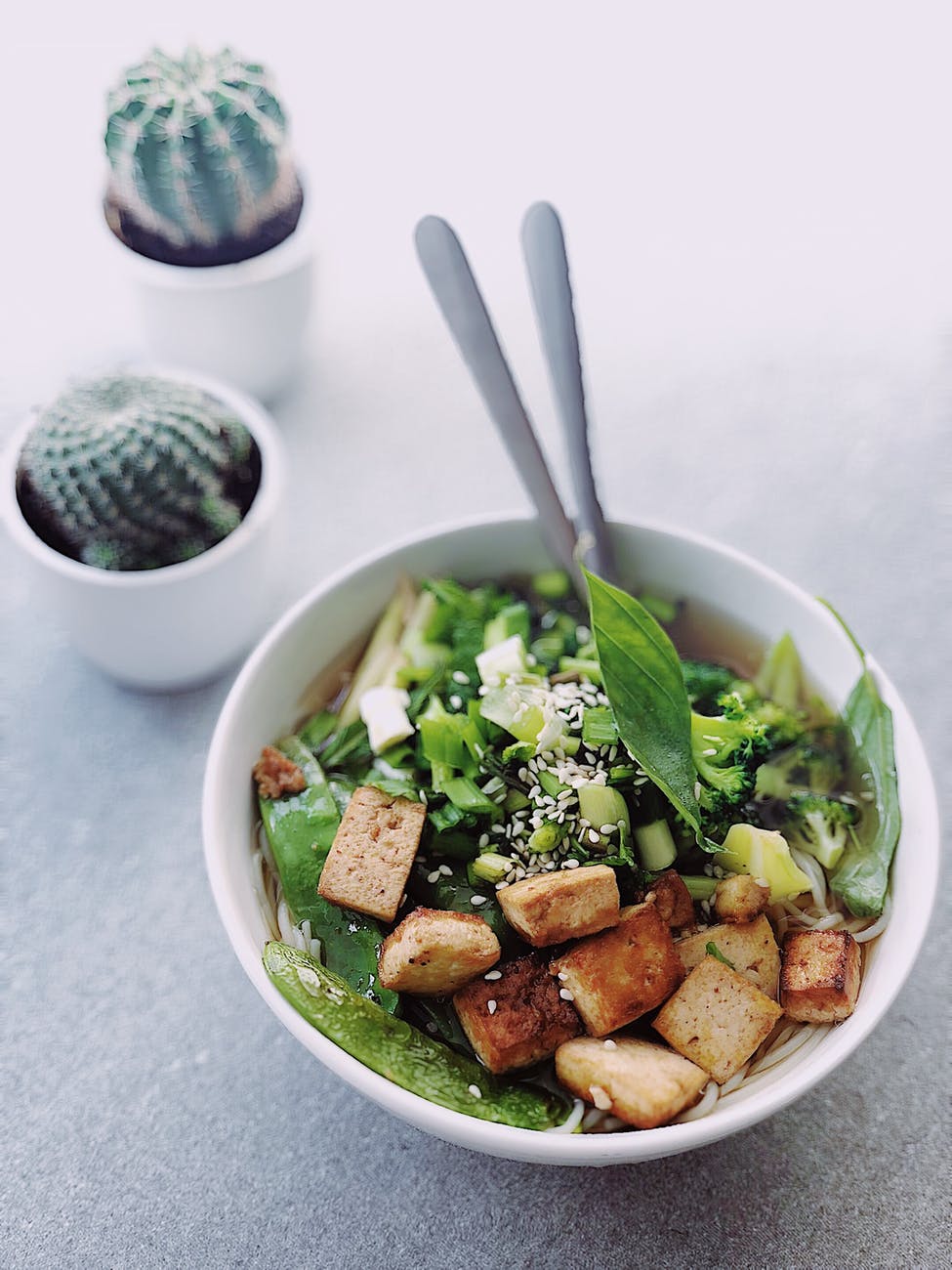
Tofu– you guessed it! If you don’t like tofu, you probably aren’t preparing it well. It’s not supposed to be wet and squishy, unless of course you prefer it that way. If you have previously eaten white chicken meat, you can make your tofu resemble that consistency, savory flavor, and level of proteininess (spelling?) with the right preparation! Any upcoming article will focus on tofu preparation! But for now, opt for extra firm, a delicious marinade, and baking for at least 30 minutes until golden and chewy! Tofu is excellent in stirfry with brown rice and veggies! Each 6 oz serving of extra firm tofu has:
22.6 grams of protein
11.9 g fat
188 calories
Silken tofu makes a wonderful mousse but you can see it has a higher water content, diluting the macronutrients. A 6 oz serving of silken tofu contains:
11.7 grams of protein
4.6 g fat
105 calories
Tempeh is a less common form of soy. My favorite way to eat it is in “bac’n strips” with smoky marinade. A 6 oz serving of those strips features slightly more calories than the plain tofu above, with 4 extra grams of protein:
26.9 grams of protein
11.2 g of fat
313 calories
Beyond meat is a highly controversial topic. It’s that fat content that is the kicker here. Although the product is non-GMO, it falls in the processed foods category. I happily consume it from time to time, in burger and sausage form mostly. However, it is the highest calorie form of protein on this list, so proceed with caution, and opt for natural and whole foods that have lower caloric density whenever possible! But check out these statistics before we continue. A 6 oz portion of Beyond beef features:
30.5 grams of protein
27.5 g of fat!!!
368 calories
Protein Powder- My favorite protein powder, Orgain, comes in a variety of flavors and features of blend of pea, brown rice, and chia seed protein. It’s also fully organic! My favorite ways to consume protein powder are in smoothies and in oatmeal! Also, try adding protein powder to baked goods like pancakes, etc. Two scoops contains:
21.0 grams of protein
4 g of fat
150 calories
Edamame– Raw soybeans get their own special category in this list because they have 33% more protein than their legume counterparts. 6 oz of shelled edamame contains:
20.3 grams of protein
8.8 g of fat
206 calories
Legumes– Some people consider legumes more of a carbohydrate source than a protein source, but it is so important to get that resistant starch and fiber in for your gut health! And, if you are sensitive to beans, try making your own to decrease that digestive distress. I soak dried beans for 1-2 days, then strain and cook in a crockpot with water and a big pinch of sea salt on low for 8-12 hours. If you are new to being a vegan, your gut flora will adjust to legume consumption over time. Other legumes such as garbanzo, black beans, pintos, and lentils feature the following levels per 6 oz servings:
15 grams of protein
1-4 g of fat
220-280 calories
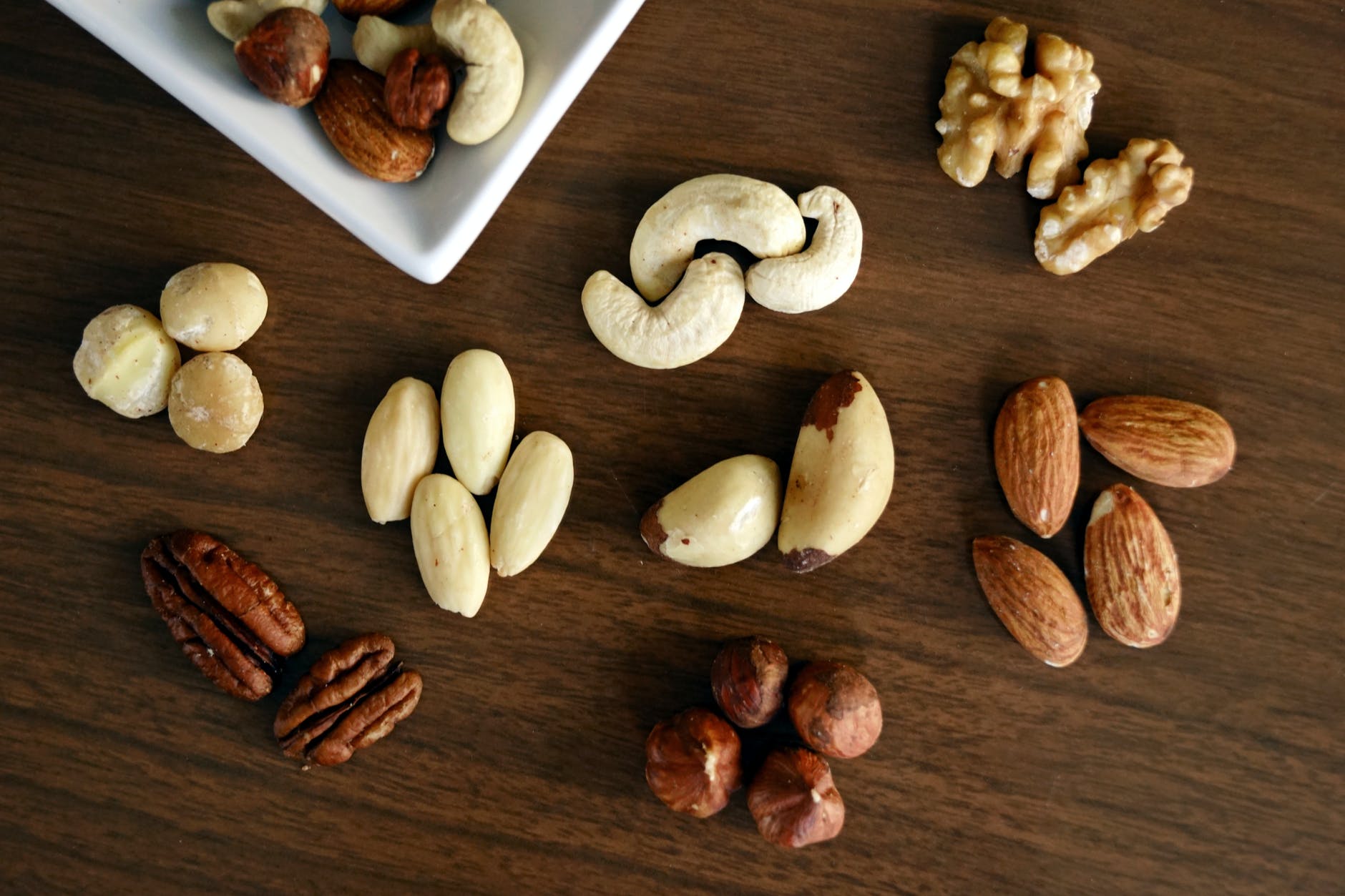
Nuts are a great source of protein and healthy fats. In general, nuts are not an excellent weight loss food because of their high caloric density. They can be used as a garnish, but should never be a main food group in your meal planning. (However, check out number 8 for a great alternative!) A 2 oz serving of nuts contains:
10 grams of protein
25 g of fat
300-320 calories
PB Fit peanut powder is a low fat and low calorie alternative! Try it with an apple, in oatmeal or baked goods, or in salad and stir-fry dressings! A 4 tablespoon serving of this powder consists of:









 LipedemaVegan