Whether your new year’s resolution is to lose weight, go vegan, or follow a budget; this article is for you! I am one of the hundreds of thousands of people who quit their full time job in Fall of 2021. I was a teacher for 10 years before a second career in healthcare/medical education. At the start of the pandemic, I started a local business which took off and allowed for me to become a full-time entrepreneur! I now run three businesses AND am preparing to buy a second real estate property for investment purposes in the next few months!
Being a full-time entrepreneur has been so exciting, but there are certainly aspects that require adjusting when you are coming from the security of a 9-5 career. One of those things is the need for an emergency savings fund! Right after I quit my job, my home’s air conditioner broke (of course!!). $8,000 later, we had a new furnace and AC unit but a dwindled emergency savings fund.
My new year’s resolutions are to continue losing weight on a whole food plant based vegan diet AND to keep my monthly meals under $350 total per person! Here’s how my $350 in food cost is broken down:
$350 divided by 30 days in a month = $11.67 in food costs per day
Three meals a day = $3.89 each Typical meals look like the following:
Breakfast= 2 baked sweet potatoes (97 cents), totaling 0.75 pounds, with a drizzle of maple syrup, cinnamon, salt, and hot sauce. Berry smoothie featuring 1 cup of frozen organic berries ($2.25) and 1 cup of frozen spinach (38 cents). TOTAL COST: $3.60
Lunch= 1.5 cups of rice (appx 50 cents) and 8 oz of frozen vegetable stir fry ($1.39), with 2 tbsp of teriyaki sauce, and an apple (75 cents)! TOTAL COST: $2.64
Dinner= A tray of roasted vegetables, including 3/4 pound of potato ($1 cents) and 2 cups of frozen green beans, (42 cents) and 2 tbsp of ketchup. TOTAL COST: $1.42
Dessert= 2 frozen bananas (60 cents) with 2 tbsp of cocoa powder to make chocolate banana nice cream! TOTAL COST: $0.60
These three meals cost $8.26 for the core food groups, allowing for some wiggle room in purchasing condiments, coffee, almond milk for that coffee, tea, etc!
Over the past several months, I’ve shifted my baseline diet to an ultra nutrient dense, whole food plant based diet. My current shift is to lower the cost of my groceries for financial freedom as I run multiple businesses and build an emergency savings fund! As I enter week three of this new eating and budgeting arrangement, it’s going great! Legumes, whole grains, vegetables, and fruits for the win! Follow my blog and find me on IG for more budget-friendly vegan weight loss tips!
I strive to write weight loss articles for all people regardless of age, gender, etc. However, today’s post is specifically written for those who suffer with rare adipose tissue disorders, such as lipedema (NOT to be confused with lymphedema). Whether you have never heard of this condition or suspect you have it, keep reading!
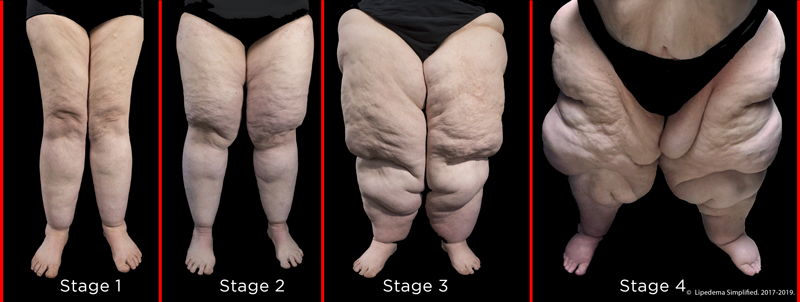
Lipedema is a genetic condition believed to effect at least 15% of women. It is characterized by disproportionate distribution of body fat to the butt and thighs (and sometimes calves). Many people call it “painful fat syndrome” because the fatty accumulations are very sensitive to touch and pressure. It’s typical onset is puberty, and the fat itself is resistant to diet and exercise. Interestingly, lipedema is unlike normal fat deposits. The fatty tissue floats when the body is submerged in water, unlike normal fatty tissue. Additionally, it has less circulatory activity, making it susceptible to “holding on to the cold” even when the body is taken into a warm place following a walk in wintery weather. Observers and sufferers alike often refer to the appearance of the legs as “tree trunks”. Individuals in lipedema are often also diagnosed with Ehlers-Danlos hypermobility syndrome .
When I learned that the extra fat on my hips, butt, and thighs (and the frames of the vast majority of my female family members) was attributed to this untreatable condition, I was both relieved and devastated… relieved that my struggles with weight loss were not just due to my lack of willpower, but devastated in what felt like lifelong sentence to live in a fat suit. The only approved treatment is liposuction, which is expensive and not covered by insurance. Often, it takes multiple liposuction treatments, as the condition progressively worsens over time and can lead to more serious medical challenges.
There is a great debate over the best diet for this condition, but I can attest that a vegan diet is by far the best option to slow the progression of lipedema. From the time the fat accumulation began on my pear shaped body, I experienced pain when walking or running. I would describe the pain as being located in the fat tissue and caused by the vibration of each step I took. However, as I’ve switched to a vegan diet high in anti-inflammatory vegetables, fruit, whole grains, nuts, seeds, etc.; this pain in the tissue is nearly gone. I strongly believe that my dietary choices (high fiber, high water content, high nutrient density, loads of antioxidants, and strict avoidance of inflammatory foods such as dairy, etc.) have prevented me from progressing to the next stages of lipedema. Stage 2 is characterized as the fat from the thigh beginning to hang over the knee, and this has never happened to me in my 20 years since puberty (nearly all of them vegetarian, and the past 12 vegan!). Others my age have already typically seen their lipedema move to stage 2 by this point.
Over the past 12 years as a vegan, I gained about 20 pounds of weight in my arms and belly areas due to excessive enjoyment of vegan junk foods, stressful work conditions, and pregnancy. I am slowly but surely losing this weight now with a clean, whole food plants based diet. This diet has slowed the progression of my lipedema, and is advocated by experts on the topic such as Chuck Ehrlich (see below). I accept that the stubborn lipedema fat that makes me extremely pear shaped may not come off my body without surgical intervention, but I am motivated to lose the non-lipedema fat in order to reduce the risks of disease associated with being overweight/obese, including diabetes, heart disease, and cancers.
2025 Update!
In February of 2025, I designed a 180 Day Lipedema Fat Reduction protocol, which has become the focus of this blog and my social media presence! Follow me on YouTube, Instagram, Facebook, and Pinterest for updates on my weight loss while following this unique diet plan, supplement regime, and intense therapy.
Click “LipedemaVegan eBooks” on the top of this page for my helpful resources to get you started on a lipedema-slowing vegan diet today! Information on my protocol will be released via social media channels first, then via a comprehesive downloadable resource!
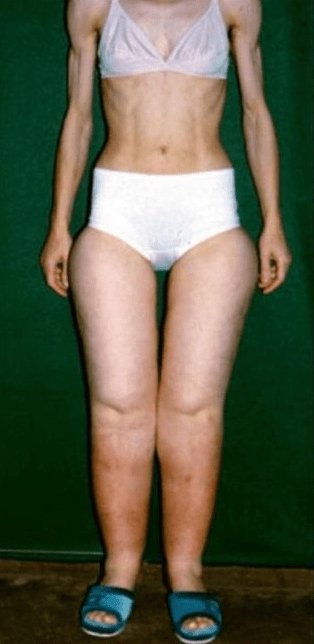
This woman suffers from anorexia, but the lipedema fat tissue is unaffected by the starvation.
Call a local nutritionist. Scroll through Instagram. Browse a health/wellness magazine. “Eating intuitively” is a buzzphrase in the weight loss space. But is this sound advice for all peoples? Absolutely not.
147 MILLION people in America are obese. Are all of these people stuffing themselves past the level of fullness everyday? No. If “listening to your body’s hunger signals” worked for all people, then 42% of America would not be obese. If “eat when you hungry and stop when you are full” worked, then why don’t we teach this to the 20% of children who are obese to solve all of their problems. This concept is commonly uttered by thin wellness enthusiasts who have never experienced obesity. And sadly, they don’t realize the harm they are doing.
How “intuitive eating” harmed my health
There was a point when my body would tell me to buy vegan junk food at the grocery store. My body would tell me “just one more Oreo” 25 times in a row. My body would have no problem finishing off an entire bag of salty snack food while watching TV. My body would not be able to stop eating even though my brain was trying to override the hand to mouth movement. My body’s hunger and satiation signals WERE completely out of whack and had been since adolescence. I used intermittent fasting and unhealthy methods of restricting my “eating window” to balance out the caloric intake of these binges.
Out of desperation and complete lack of satisfaction with my growing physical size and overwhelming feelings of being out of control, I contacted nutritionists who blamed my vegan diet for my eating behaviors. They blamed hidden nutrient deficiencies for my binges. They rolled their eyes when I told them I refused to revert back to a standard American diet due to ethical reasons, even when their overpriced blood work all came back normal, showing no deficiencies. But then, they suggested that I needed to learn to listen to my body’s hunger signals to fix this behavior. They said I had been restricting my diet for too long, and that the binges were a result of long term dieting. Finally, we agreed on something.
They told me to listen to my body, eat when hungry, and simply enjoy binge-triggering foods “in moderation”. You can probably guess where this story is going… For me, it’s the salty corn chips and snacks, crunchy cereals, and nuts/nut butters that have always been my downfall. My favorite self-deprecating joke is, “I can eat my weight in Chex Mix!” It’s true what they say, “Once you pop, you can’t stop!”
I followed my nutritionists advice and gained 25 pounds in a relatively short time. I knew that my friends and coworkers noticed although none of them said a single word about it. Moderation was not an option for me. The advice to “eat when hungry” meant that I was eating nearly full sized meals every 2-3 hours. I was listening to my body, and that’s what it was telling me to do. And I was eating what I wanted. Processed and high fat foods that were delicious and always called me back for seconds. When I knew the portions on my plate were too large, I tried to eat mini meals which left me completely unsatisfied. I was completely distracted all day by the thought of my next meal. Thousands of dollars later and 25 pounds heavier, I broke off my relationship with those nutritionists. I can honestly say that this time in my life was the darkest of all of my days.
So how did I get my health back?
I feel healthier now than ever before. And I did figured it out WITHOUT the help of a condescending, anti-vegan nutritionist. I am binge-free for the first time since my teen years! I am in a state of weight loss, despite years of plateaus. I eat three square meals a day comfotably. My hunger is no longer ravenous, but rather a mild nagging reminder that I haven’t eaten in 4-6 hours and should consider what to make for my next meal. My preoccupation with food is gone.
How did I achieve this balance and peace with binge eating and food addiction? The answer is plants- in their whole form. No oil. I began filling half of my plate or bowl with non-starchy vegetables. The other half of my meals consists of starch such as whole, unprocessed grains (such as rice, oats, barley, corn, etc.), potatoes, sweet potatoes, and legumes. This way of eating is advocated by Dr. John McDougall in his book The Starch Solution. Chef AJ, High Carb Hannah, Plantiful Kiki, Chuck Carroll, are YouTube personalities that also promote this way of eating. They attribute their own massive weight loss to this dietary change.
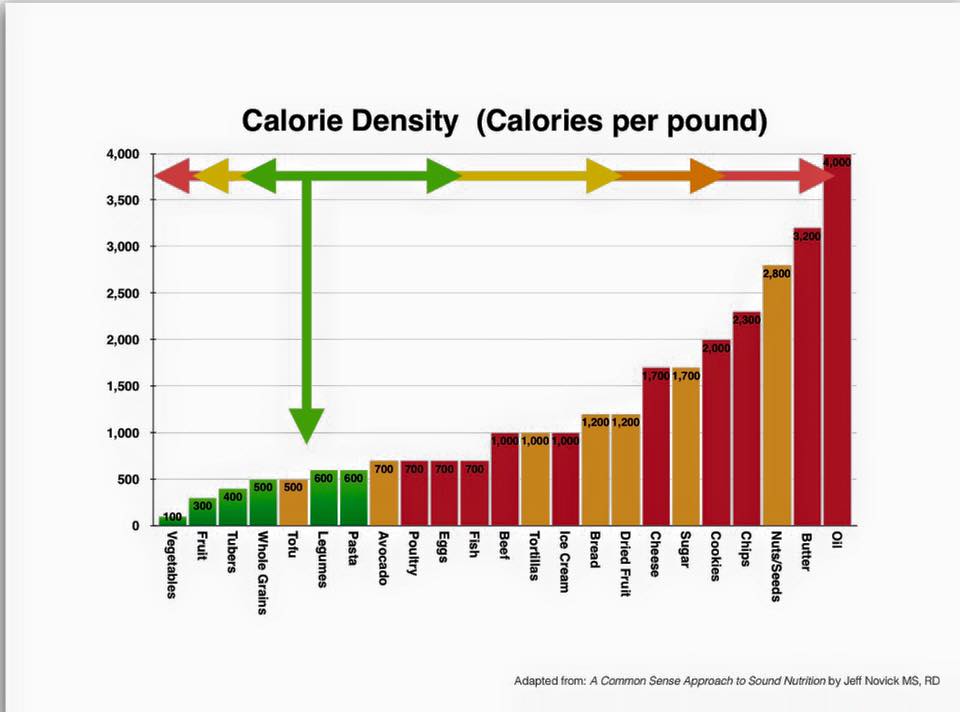
But how does it work? The weight loss from this way of eating is the result of decreased caloric density of your overall meal. Starches have far less calories than meat, cheese, nuts, seeds, and oils. Vegetables have less calories than any other food group. But what they do have are loads of micronutrients, fiber, and water to fill you and satiate you. But avoiding higher fat foods and loading up with starches and veggies, you can eat far more VOLUME with less calories. Dr. McDougall argues that this is the natural diet of the human and that only since the invention of processed foods have we started experiencing early onset diabetes, cancer, and heart disease.
Sample meals
Nonstarchy vegetables
Starches
Other ingredients/seasonings
Frozen stirfry veggies
Brown rice
Liquid aminos, sriracha, ginger powder
Frozen green beans
Baked sweet potato
Cinnamon, hot sauce
Roasted Brussels sprouts
Roasted potatoes
Favorite dry seasoning of your choice and homemade ketchup
I’ve dedicated this blog to sharing this way of eating that has freed me from the shackles of food addiction. For me, the answer was NOT counseling, “listening” to my dysfunctional body, intermittent fasting, skipping meals, diet pills, cutting carbs, or reverting back to meat eating. The answer was PLANTS. Large portions of low calorie foods to fill, satiate, and satisfy my hunger until the next meal… that was the key to breaking my binge eating and starvation cycle! I am excited each meal to fuel my body with wholesome food that nourishes and heals my mind, body, and soul!
I am happy to chat anytime with anyone about this way of eating. Find me on Instagram @weightogovegan, comment below, or email weightogovegan@outlook.com with questions! There is so much more coming soon, but if you are hungry for more information, check out the Starch Solution book that explains everything you need to know about how to eat plants to lose weight and prevent disease! I promise that if you are struggling and commit to trying this for several months, it will change your life as it did mine.
Microwave steamer: I am absolutely obsessed with this steamer! It is made of silicone, which won’t leach weird chemicals into your food as it cooks. Underneath those luscious veggies, there is a riser that is designed to keep the veggies a few centimeters under the little bit of water you add before placing the lid on. The water boils and circulates to steam the veggies in 8 minutes or less! THIS is why rice and steamed veggies is my fave quick, 10 minute lunch!
Potato Express: This is my favorite contraption for cooking sweet potatoes and potatoes quickly! When I have the time, I oven roast, but at work and when time is limited, I use this fabric bag. Simply wash whole potatoes and pop in the bag. No need to stab with a fork- they will not explode in the bag! A full bag that can lay flat takes about 8 minutes to cook the potatoes! I always have one of these in my desk at work!
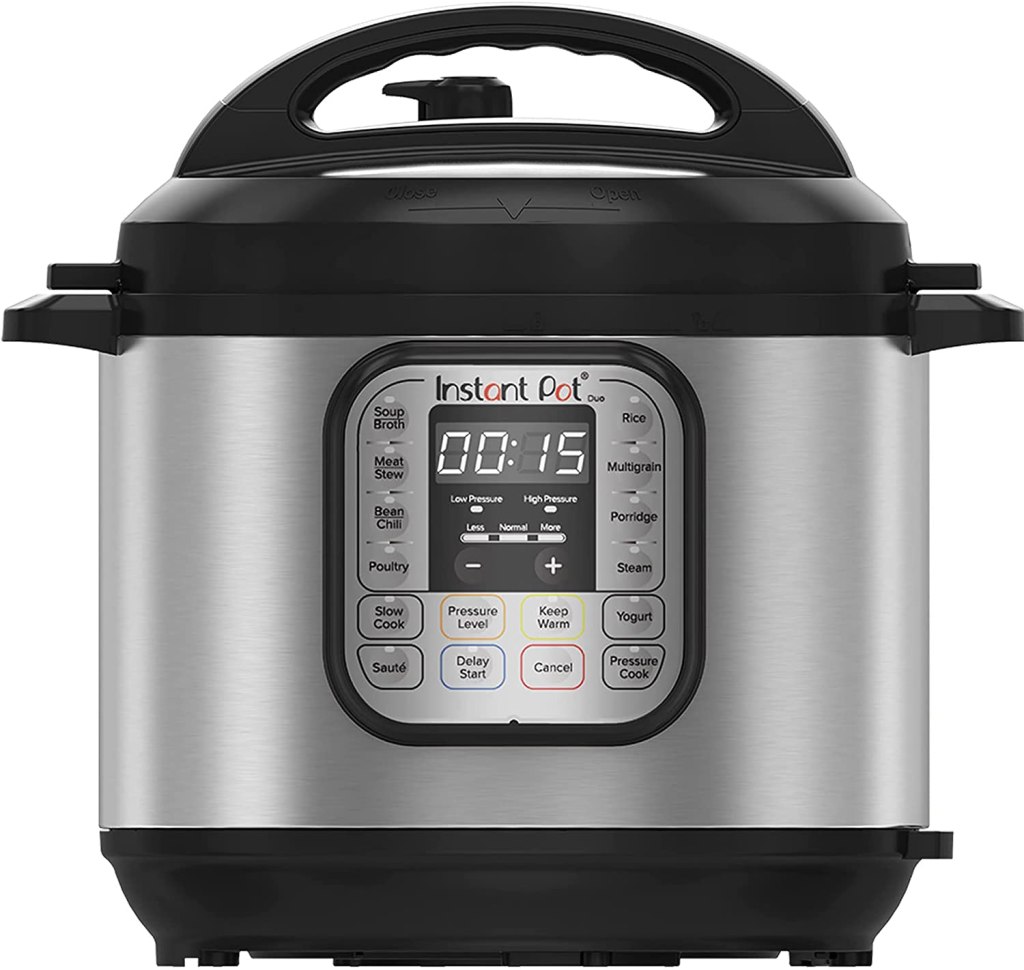
Instant Pot: I own two Instant Pots! I have one large one that I cook my rice in each week, and a mini one (linked to the left) specifically for cooking morning oats (1 cup of oats/groats, 3 cups of water, porridge button = makes 2 servings)! This smaller one is great for single meals, while the larger is great for meal prepping!
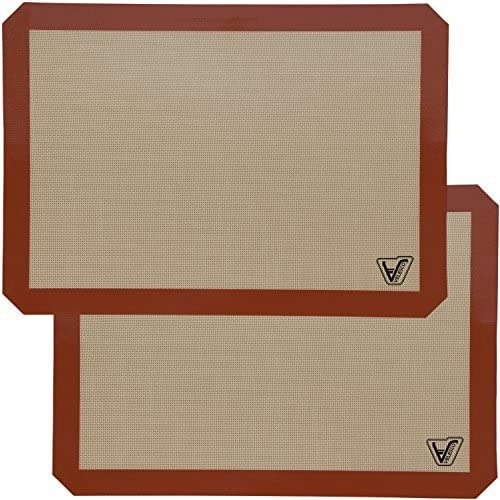
Silicone baking sheet: These baking sheet covers are game changers. Not only will you save on aluminum foil and cleanup, but they really great in the nonstick department. Although I still use a quick spray of Pam when roasting veggies, these are so quick and easy to clean. AND you will save money on baking sheets. I’ve had mine for years!
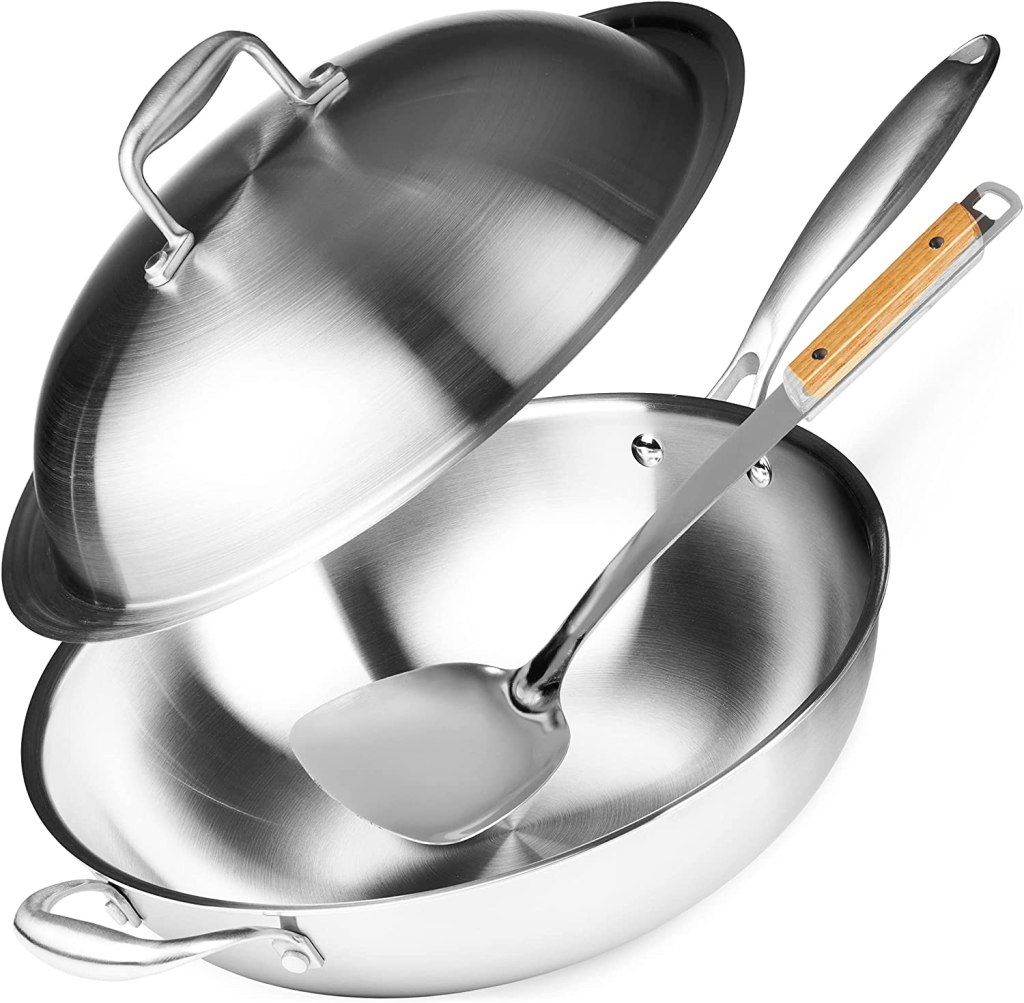
Large stainless steel wok: This wok is amazing. My husband cleans the dishes after I cook, and he always raves about this product! When you are eating whole food plant based, you are preparing a LOT of veggies. You will not survive with some medium sized frying pans. This wok is incredibly nonstick AND holds your biggest stir-fries! We use it often to sauté peppers and onions, which can be a messy task with no oil. Soak it with soapy water, and all that gunk comes right off. It’s also stainless steal so you don’t have to worry about any of those cancer causing nonstick coatings! Check it out!
Ahhhh few things stir up debate within the “weight loss” community as the topic of counting calories. Several years ago, a YouTuber named Freelee the Banana Girl and her partner DurianRider famously proclaimed that you could achieve extremely low body fat by eating 3000+ calories, as long as they are of plant origin. This led many vegans, myself included, to go to town on all their favorite whole plant foods, and low and behold, we gained weight because we were not exercising as much as this pair. It is true that consistently eating more calories than you burn leads to weight gain, although that is not the only factor that makes people overfat.
However, it is also detrimental to create extreme caloric deficit. Certainly, eating fewer calories than you burn will result in weight loss. But long term extreme caloric restriction has a multitude of side effects including mood disorders, endocrine dysfunction, disordered eating patterns, and so forth. There is also great debate over the term “metabolic damage“. I personally have experienced long term difficulty losing weight after prolonged periods of extreme caloric deficit, so although there is little research to support this concept, I know first hand that it is true.
There is an anti-diet culture on social media today, and it is easy to understand why. For decades, corporations have made billions of dollars selling “diet” products while purposely confusing the consumer. In actuality, these corporations don’t want you to succeed at weight loss. They want you to become hooked on their product to maintain weight loss. This anti-diet culture often pushes a “fat tolerance” message as well, asserting that it is OK to be fat. I know from personal experience that overweight people are often discriminated against. But obese people are at an increased risk of diabetes, heart disease, and cancer- the top killers of Americans.
So what is the answer for those who are striving to achieve their ideal body weight? What is the answer for those who are not comfortable being overweight and obese?
Well, you do need to eat less than you burn, but not too much less. This can be achieved by eating more of the low caloric density foods (indicated in green below) and less of the yellow and red food categories! The foods in the green category below are also filled with water and fiber to increase satiation and fullness, a necessary component of a healthy lifestyle. And we all know what it feels like to be on a diet where you never feel full. A caloric deficit of about 500 calories per day will be the goal, but please know that only calorie calculators (and the ones on exercise machines and pedometers) are wildly inaccurate.
Counting calories daily is not necessary when eating calorie dilute foods! However, once you get into the groove of this whole food plant based lifestyle, I would advise that you enter your calories into a calorie counter to make sure you are not overeating (or undereating), especially if you are coming from a binge eating or disordered eating past. I checked my calories yesterday while following the #eatyourvegchallenge, and found that I was eating 1700 calories which is a great amount for weight loss for my height, weight, and activity level! More about binge eating in my next post!
You ate too few calories: Sometimes in our excitement at the prospect of reaching our fat loss goals, we cut calories too low which is not sustainable long term. While there is little scientific evidence to support the idea of a broken metabolism, there is evidence to support the fact that eating too few calories for your daily activity level will eventually lead you to quit your plan and revert to the old eating habits that led to weight gain and plateaus. Busy, working men and women simply will not be able to accomplish their duties at work and home if they are only eating less than 1500 calories long term. Although you may want to go “all in”, consider shooting for 1600-1800 daily calorie goal. That is, unless you live a life of leisure!
You reverted back to old eating habits too quickly: Recently, the idea of reverse dieting has come into popularity. This theory is commonly misunderstood. Reverse dieting simply refers to the idea that after a period of caloric deficit (i.e. eating 1400 calories), you must gradually increase your calories to avoid rapid weight regain as you return to your pre-diet caloric intake. By adding 100 calories per week to your diet until you return to your normal of 2000-2500 calories, you can ensure your metabolism adjusts to this increase in calories slowly. The theory also states that returning to pre-diet normal caloric intake will cause you to regain all of the weight that you lost with a vengeance. Sound familiar?
You had no game plan for social events, special occasions, and holidays: Sure, you knew you were starting a diet a few weeks before your birthday. But did you simply write off that day as a “cheat day”, or did you carefully look at the morning after and thoughtfully consider what you would need to do, eat, and think about in order to get back on track? If you consume alcohol, partying with booze is always going to send your blood sugar in a tail spin. Waking up with a slight hangover is not going to be remedied with a portion-controlled bowl of oatmeal and flax seed. If you’re going to have a cheat day, plan on it and don’t go overboard. But if you’ll be imbibing, plan for your healthy eating to resume 36 hours later!
You didn’t eat frequently enough: This one is dedicated to the whole food plant based eaters. When you eat predominantly vegetables, starches, and fruits, you are going to need to eat more frequently than when you were on a Standard American Diet or even a junk food vegan diet. If you are new to veganism, a vegan diet tends to be lower fat than a conventional western diet. If you are switching from junk food vegan to clean eating whole food plant based, than you will notice a difference in your satiation after meals. The dietary fats in nuts, seeds, faux meats and cheeses, and processed foods certainly attribute to slower digestion and prolonged fullness. However, eating a low caloric density diet by avoiding those higher fat foods is an excellent way to drop pounds. Just be prepared to eat four meals per day, if you find yourself struggling to stay full for 5 hours after each meal! Also be weary of intermittent fasting. Active, busy people may struggle with this way of eating long term.
Your plan was far too restrictive: If you plan involved eating the same three meals each day, it was too restrictive. If your plan involved forcing yourself to eat food that you don’t enjoy, it was too restrictive. If your plan was to never eat certain favorite vegan foods ever again, it was too restrictive. You should be excited about all of the possible meals on your eating plan! Get excited by browsing Instagram and Pinterest for plant forward meals!
You lost motivation too easily: So the scale hasn’t budged in two weeks. Women in particular can experience great swings in body weight due to hormones and salt retention. Also, in you happened to start a weight lifting or exercise regimen at the start of your diet, you likely are going to not see any losses on the scale while you concurrently lose fat and gain muscle. Try weighing in every four weeks instead of being preoccupied with the daily fluctuations you see on the scale. For some, an undesirable scale reading is emotionally distressing enough to cause a binge eating episode. Know your self. Step away from the scale if your happiness is associated with that little number.
You didn’t believe in yourself: You must believe in order to achieve. Successful people visualize their success before it has happened. They behave as though they are their best self, and then their best self arrives over time. They stay dedicated to their goals and refuse to give up. A daily visualization while walking your dog may be all you need to shift your thoughts from negative from positive. Best believe, if you go into a healthy eating plan with the following thoughts, you WILL NOT succeed (so come to terms with your negative thought patterns and stay positive):
“I’ve found over time that I am unable to lose weight.”
“I know this probably won’t work, but I have to do something.”
“I never lost weight before, and I’m not going to lose weight now.”
“This may work for them, but I’m broken.”
“My medical condition makes it impossible for me to lose weight.”
Stocking up on frozen vegetables is by far the easiest way to eat more veggies. Frozen green beans, broccoli, cauliflower, carrots, spinach, Brussels, and more are readily available at every grocery store! Common blends include Normandy blend (broccoli, cauliflower, and carrot) and stir fry mixes (containing green beans, peppers, onions, carrots, broccoli, mushrooms, etc.). All you need is a simple steamer to reheat these back to perfection. These veggie packs come pre-chopped (my favorite part) and can be kept for years in the freezer, saving you time and money! My favorite steamer is this microwavable silicone steamer, but there are metal options that work with your favorite stovetop pots and pans!
Sneak them in your favorite recipes!
Throw some steamed broccoli in your vegan mac and cheese, add green beans to your favorite soup/pasta/curry recipe, and load your tacos with fajita vegetables (and don’t just stop at peppers and onions). Also, check out tomorrow’s post on my mashed potato and cauliflower with a taste and texture that is exactly like mom’s mashers but with 50% non-starchy vegetable content!
Set a daily vegetable variety goal!
Make a contest with yourself or with your family to see how many different vegetables (and fruits!) you can eat in a day! The 5-a-day rule from the federal organizations is pretty weak. It’s easy to get 10-15 or more varieties in a day but including 3-5 different types at each meal. Each vegetable has a different array of micronutrients, antioxidants, and minerals, so it is so crucial to increase the variety of veggies you prepare! Eating the same three veggies each day is far better than shunning veggies. But variety is the spice of life!
Make time for daily green smoothies!
If you need more veggies in your diet, green smoothies are the easiest ways. A cup of fruit with a handful of frozen spinach or fresh kale/spinach will taste simply like a fruit smoothie! Add a packet of stevia for extra sweetness. Add milk, vegan protein powder, and banana for extra creaminess. Add greens powders, mushroom extracts, or flax seed for extra antioxidants, immunity boost, and omega 3s (respectively). We prefer broccoli, red cabbage, and kale microgreens in our daily smoothies! My husband is obsessed with mango, so we alternate between berries and mango for our smoothie base!
Top your meals with microgreens!
Microgreens are 7-12 day old vegetable seedlings that are traditionally grow indoors and are available year-round in most areas. Additionally, you can grow your own (upcoming post about that, since we’ve been doing this for years!). When succession planted, you can harvest them as needed to throw handfuls on your cooked meals or in your smoothies. Interestingly, they have 4-100x more antioxidants and nutrients than the mature versions of the vegetables, so they really back a nutrition punch in a small package!
Microgreens can be grown in soil or hydroponically!
Listen. I read the vegan blogs. I follow all of the same vegan IG influencers you do. And ain’t no body got time to make all of this vegan grub from scratch each and every day- especially not at breakfast! Busy, professional people with jobs are lucky to get a few bites of ANYTHING down before rushing out the door for work or school! People who have to manage the lives of other human beings (especially miniature humans) can’t take the time to make scrambled tofu and tempeh bacon every morning! This is a list of six super simple and quick meal ideas for busy vegans. Although I name drop some favorite brands, I am not sponsored by any of these companies. Comment below with your favorite quick breakfasts!
Cold Cereal + Ripple Vegan Milk + Fruit
Ripple brand vegan milk is a gamechanger. It is made of pea protein, features DHA omega 3s, and has more calcium than dairy milk! When selecting a cereal, go for something with low sugar (sugar should not be in the top 5 ingredients), high fiber (more than 5 grams per cup), and low fat (less than 4 grams per cup). My favorite cereal is Heritage Flakes from Nature’s Path Organics. Non-GMO, organic, 1.5 grams of fat, 160 calories, 7 grams of fiber, and not too sweet? Yes please! Top your cereal with fresh berries, banana, or a small amount of dried fruit and you will have the carbs, fiber, protein, and antioxidants you need to start your day correctly! In general, granola is very high in fat and calories and should be avoided if you are trying to lose weight, but Trader Joe’s makes a great low fat granola.
Peanut Butter + Rice Cake/Bread + Jam/Fruit
Toasted PBJ is a classic that is so so satisfying! PB Fit is an excellent low-fat alternative to traditional peanut butter if you are counting fat grams. And there are plenty of alternatives to peanuts in the nut butter category- even some made from seeds and legumes! If you love crunch, then you will love the rice cake option! I love a PBJ on a rice cake, but rice cakes are considered highly processed as puffed grains can be digested very quickly by our GI system. So opt for a hearty high fiber bread if you need to feel fuller for longer! Look for low sugar jam, or even fresh fruit as an alternative.
Hot Cereal + Protein Powder + Fruit
We have a dedicated small InstaPot for the sole purpose of our morning hot cereal. We make oats or oat groats most days, but make a point to try other hot cereals from leftover rice, hemp seeds, quinoa, couscous, or ancient grain blends. Oats pair perfectly with a vegan protein powder and fresh or a small amount of dried fruit. The protein powder increases the satiety factor of the whole grains! Don’t forget the cinnamon, cloves, nutmeg, etc. for added antioxidants and blood sugar regulation!
Polenta + Beans
If you have a few minutes to break out a frying pan, then this one is quick, savory, and delicious! Polenta is sold prepared in a cylinder. Most varieties are vegan, but watch out for added dairy. Open the tube, cut into centimeter slices, pan fry to crisp, flip, and then top with a mixture of beans, seasonings, salsas, hot sauces, etc. A pinch of dairy free cheddar cheese on top goes a long way in the savory flavor department, but avoid overt fats if you are working on weight loss!
Beans on Toast
If you have never tried beans on toast, you need to try it ASAP! Toast your bread well and top with warm refried beans. Feel free to add other toppings such as avocado, peppers, onion, cilantro, salsa, hot sauce, etc. Or keep it simple with sea salt! Beans on toast is popular around the world for a reason- it is filling and hits the savory breakfast spot! You’ll notice avocado toast is not on the list, even though it is quick and easy! Avocados don’t have the lovely protein that beans do, that’s why!
Protein smoothie- silken or protein powder
If you are really short on time, make a quick smoothie. My go-to ingredients are frozen berries, vegan protein powder, and greens (microgreens, spinach/kale mix, or frozen kale). Try also adding silken tofu, frozen beets, mushroom powder for an immune boost, flax seed for extra omegas, banana for an energy boost, greens powders, PB Fit, and/or non-dairy yogurt! If you have an extra minute, enjoy it as a smoothie bowl with fun textured toppings such as coconut flakes, mini chocolate chips, crunchy granola/cereal, etc. It’s also so fun to switch up your frozen fruit base. We love mango smoothies!
As discussed in my previous blog post, some vegan adhere closely to Dr. McDougall’s Starch Solution which asserts that “the fat you eat is the fat your wear.” This statement suggests that the dietary fat you consume will convert directly into body fat, which we all know to be false. However, dietary fat does have higher caloric density than both protein and carbohydrate. Therefore, is dietary fat worth counting?
Added dietary fat in the form of oil, margarine, nuts, seeds, coconut, avocado, meat/cheese substitutes, etc. does increase the overall calories in a meal. Meat substitutes, fried food, and creamy desserts are of course high sources of fat, as well. So if you are counting calories or making an effort to burn more calories than you consume, it is important to gauge your fat intake and “spread the fat” but including small amounts in salad dressings or smoothies, in lieu of eating overtly fatty foods.
If your goal is weight loss, start by avoiding all overt fats- meaning all oil, nuts, seeds, avocado, tofu, and meat/dairy substitutes. Many people report very quick weight loss from this dietary adjustment. (Also, check out my Vegan Meal Planner) See over time if you are able to be sufficiently satiated after meals. Veggies, starches, and legumes are fast burning fuel sources! In fact, one of the first things you will here new vegans say is “I’m already hungry and I just ate three hours ago”. This is a serious learning curve for people new to plant based eating. Vegan meals will burn faster than the meat that sits rotting in your stomach and the dairy that constipates your gastrointestinal system! If starches, legumes, and veggies alone are burning too quickly, try adding trace amounts of fats in the form of nuts, seeds, or avocado to your meals to see if that slows down your rate of digestion! Watch your serving sizes of these overt fat sources closely.
Dietary fats also provide essential vitamins, minerals, and fatty acids, as well! Although some outspoken vegan weight loss activists assert that they are doing fine after years of avoiding these foods, other nutrition experts recommend including these fat sources for optimum wellness long term! However, removing them for a few weeks to see how they are impacting your weight loss will not do any harm in the short term!
There are multiple camps within the vegan community when it comes to macronutrient proportions. Their macronutrient proportions vary greatly! Four different types of vegans are detailed below. From the fatphobic to the fatphilic… what type of vegan are you?
There is a large group of folks who are proponents of a low-fat and low-protein version of a plant based diet- consisting mostly of root vegetables, grains, legumes, vegetables, and fruits. Those four food groups are generally made of carbohydrates (including) fiber with small amounts of protein and fat. This is known as a low fat, whole food plant based diet and followers of this lifestyle are advised to avoid nuts, seeds, and avocado. They believe that the trace amounts of dietary fat found in grains and other high carb food sources is sufficient for health. Oils are processed and high in dietary fat, so they are certainly avoided. You may sometimes hear low fat, whole food plant based diet known as “80/10/10” referring to 80% carbohydrates, 10% protein, and 10% fat and it is based on the concept of caloric density- meaning you will fill yourself up with low-calorie vegetables and starches and avoid high-calorie nuts, seeds, oils, meat substitutes, etc. Dr. John McDougall’s Starch Solution and YouTube personality Chef AJ are proponents of this way of eating!
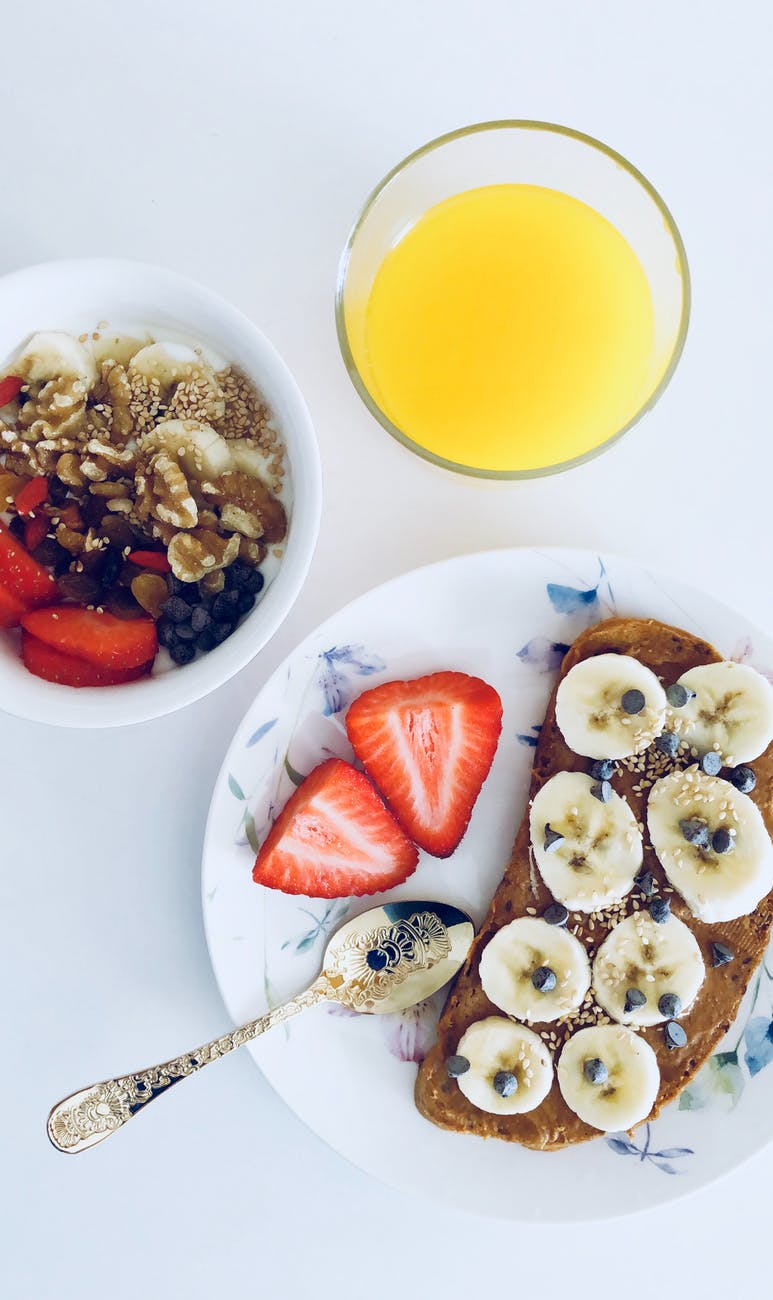
Low fat, whole food plant based- personified! Photo by Nathan Cowley on Pexels.com
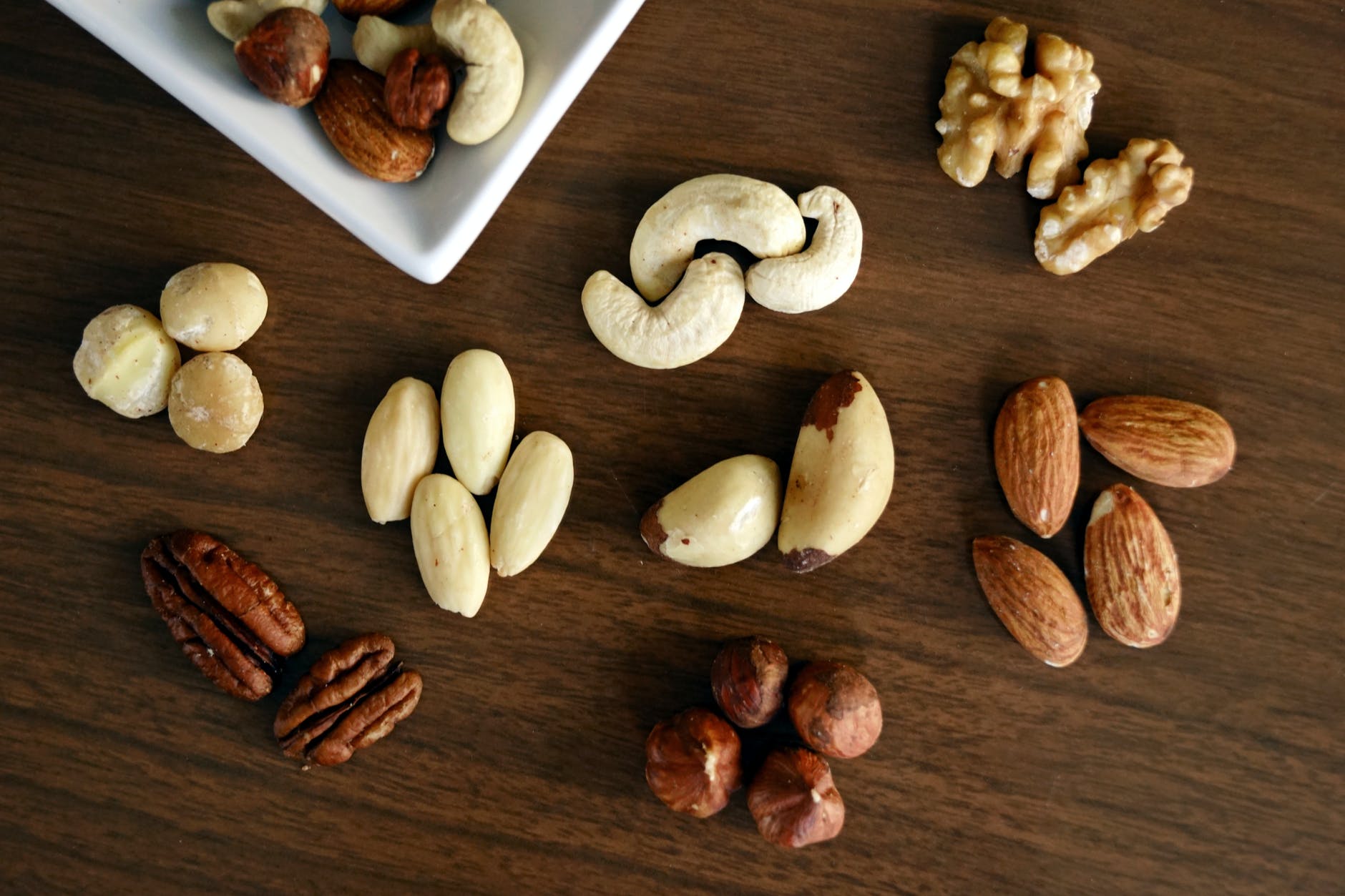
Another camp considers themselves simply whole food plant based (WFPB). The difference here is that they consider nuts, seeds, and avocado in their whole form to be acceptable food groups in smaller amounts; in addition to starches, legumes, fruit, and veg. Some folks who have tried a strict low fat diet find themselves hungry shortly after eating, and argue that dietary fat from whole plant sources (such as nuts, seeds, and avocado) are a necessary factor for satiation. They also argue removing these plant fat sources from the diet can be damaging for integumentary, brain, and eye health. Although tofu is processed, it is generally considered acceptable in the whole food plant based community (in moderation). Often times, whole food plant based diets hover around 60-70% carbohydrates, 15-20% protein, and 15-20% fat. Instagram/YouTube influencers HighCarbHannah and PlantifulKiki largely eat this way after using a low-fat version to lose significant amounts of weight!
Whole food plant based- personified! Photo by Designecologist on Pexels.com
Contrary to popular belief, a high-protein plant based diet is possible! Many vegan body builders and highly active vegans shoot for a 50% carbohydrate, 25-30% protein, and 20-25% fat diet. This can be accomplished by centering your meals around protein. For example, each meal should contain tofu, tempeh, edamame, meat substitutes, or protein powder. Attention is made to moderate portion sizes of starches with this eating plan. But vegetables are generally considered “freebies!” Instagram influencers and Nimai Delgado (and his food account) and Bianca Taylor (and her food account).
Protein Conscious Vegan- personified! Photo by Nathan Cowley on Pexels.com
Finally, there is a camp that we will affectionately call “junk food vegans“. These folks do not worry about their macronutrients and opt for all of the sweet, savory, and salty vegan foods, not worrying about how processed they are! They are enthusiastic about trying the latest plant based mock meats and dairy substitutes! They can very easily end up with 50% fat, 25-30% carbohydrate, and 20-25% protein in their diets! But who can blame them? Cashew cheese is f*cking amazing. Beyond sausage is so satisfying. Vegan cupcakes are heavenly. And who doesn’t get excited to learn that another fast food or pizza chain is coming out with more vegan options?! Also, don’t forget that vodka is vegan!
Junk food vegan- personified! Photo by KoolShooters on Pexels.com
What type of vegan have you been? What type of vegan do you strive to be? What macro ratio works for you? It is generally advised in weight loss to start with low fat, whole food plant based. Slowly increase dietary fats from natural plant sources until you find that satiation point. If trying to lose weight, minimize the consumption of processed meat substitutes, sweets, and alcohol!









 LipedemaVegan