Uncategorized

50 Meal Ideas for Women with Lipedema Switching to an Anti-Inflammatory Vegan Diet

If you’re a woman with lipedema making the transition to a vegan, anti-inflammatory diet, you might be wondering: What can I eat?

Lipedema is a chronic condition that causes fat accumulation, pain, and inflammation, particularly in the lower body. While there’s no cure, following an anti-inflammatory diet can help reduce symptoms, promote weight management, and support lymphatic health.

A vegan anti-inflammatory diet focuses on:
Whole, unprocessed foods (fruits, vegetables, legumes, whole grains, nuts, and seeds)
Omega-3-rich foods (flaxseeds, chia seeds, walnuts, and algae-based omega-3 supplements)
Antioxidant-rich foods (berries, leafy greens, cruciferous vegetables, turmeric, ginger)
Low-inflammatory protein sources (tofu, tempeh, lentils, beans, hemp seeds, pea protein)
Gut-friendly foods (fermented foods, prebiotic-rich fiber)
Balanced meals that support stable blood sugar and lymphatic function

A lipedema-friendly vegan diet should:
✅ Include familiar, easy-to-find foods
✅ Focus on protein, healthy fats, and fiber
✅ Be low in refined sugars & processed foods
✅ Reduce inflammatory foods like dairy and meat

Here are 50 meal ideas with simple ingredients you can find at any grocery store!


🌞 Breakfast Ideas (10)

  1. Peanut Butter Banana Toast – Whole grain toast with peanut butter and banana slices.
  2. Berry Protein Smoothie – Frozen strawberries, plant protein powder, flaxseeds, and almond milk.
  3. Vegan Pancakes – Made with oat flour or whole wheat flour, topped with maple syrup.
  4. Avocado Toast – Mashed avocado on toast with hemp seeds and red pepper flakes.
  5. Cinnamon Oatmeal with Walnuts – Old-fashioned oats with cinnamon, maple syrup, and walnuts.
  6. Tofu & Hash Brown Scramble – Crumbled tofu cooked with breakfast potatoes and bell peppers.
  7. Almond Butter & Apple Slices – Sweet and crunchy morning snack.
  8. Breakfast Burrito with Beyond Sausage – Scrambled tofu, avocado, and dairy-free cheese in a tortilla.
  9. Vegan Yogurt with Granola & Berries – Coconut or almond yogurt with granola and blueberries.
  10. Protein-Packed Overnight Oats – Oats soaked overnight with almond milk, chia seeds, and cocoa powder.

🥗 Lunch Ideas (10)

  1. Vegan Grilled Cheese & Tomato Soup – Made with dairy-free cheese and whole wheat bread.
  2. Chickpea Salad Sandwich – Mashed chickpeas mixed with vegan mayo, celery, and mustard on whole wheat bread.
  3. Vegan Mac & Cheese – Made with cashew cheese sauce or dairy-free cheddar.
  4. Spaghetti with Meatless Marinara – Whole wheat pasta with plant-based ground beef and marinara sauce.
  5. BBQ Jackfruit Sandwich – Pulled jackfruit in BBQ sauce on a whole wheat bun with coleslaw.
  6. Vegan BLT – Whole wheat toast with tempeh bacon, lettuce, and tomato.
  7. Loaded Baked Potato – Topped with dairy-free sour cream, chives, and black beans.
  8. Lentil Sloppy Joes – Lentils cooked in a smoky tomato sauce on a bun.
  9. Vegan Quesadilla – Whole wheat tortilla with dairy-free cheese, black beans, and avocado.
  10. Beyond Burger with Sweet Potato Fries – A classic American meal, made healthier.

🍽️ Dinner Ideas (10)

  1. Vegan Tacos – Made with lentil taco filling, dairy-free sour cream, and guacamole.
  2. Plant-Based Meatloaf & Mashed Potatoes – Made with lentils or Beyond Meat.
  3. BBQ Tofu with Corn on the Cob – A classic backyard meal made vegan.
  4. Buffalo Cauliflower Wings & Fries – Baked cauliflower bites with buffalo sauce.
  5. Vegan Chili with Cornbread – Lentils, black beans, and tomatoes with homemade cornbread.
  6. Stuffed Bell Peppers – Peppers filled with brown rice, black beans, and salsa.
  7. Dairy-Free Alfredo Pasta – Made with cashew sauce and whole wheat pasta.
  8. Vegan Pizza Night – Use a whole wheat crust, tomato sauce, veggies, and dairy-free cheese.
  9. Baked Ziti with Cashew Ricotta – Comfort food made plant-based.
  10. Shepherd’s Pie with Lentils & Mashed Potatoes – A hearty and filling dinner.

🥑 Snack Ideas (10)

  1. Popcorn with Nutritional Yeast – Savory, cheesy flavor without the dairy.
  2. Hummus & Whole Wheat Crackers – Easy and protein-packed.
  3. Dark Chocolate with Almond Butter – A satisfying sweet snack.
  4. Homemade Trail Mix – Nuts, seeds, and dried fruit.
  5. Celery & Peanut Butter – Crunchy and satisfying.
  6. Roasted Chickpeas – A crunchy, high-protein snack.
  7. Apple Chips – Naturally sweet and fiber-rich.
  8. Graham Crackers with Almond Butter – A childhood favorite with a healthy twist.
  9. Coconut Yogurt & Granola – Simple and gut-friendly.
  10. Vegan Cheese & Crackers – A familiar, satisfying snack.

🥤 Drinks & Smoothies (10)

  1. Chocolate Protein Shake – Plant-based protein, cocoa powder, banana, and almond milk.
  2. Strawberry Banana Smoothie – Classic and delicious.
  3. Iced Matcha Latte – Made with coconut milk and sweetened with stevia.
  4. Green Detox Smoothie – Spinach, pineapple, banana, and almond milk.
  5. Golden Turmeric Latte – Coconut milk, turmeric, and cinnamon.
  6. Vanilla Almond Milkshake – Frozen banana, vanilla extract, and almond milk.
  7. Hibiscus Iced Tea – Hydrating and antioxidant-rich.
  8. Coconut Water with Lime – Electrolyte-rich and refreshing.
  9. Spiced Chai Tea Latte – A cozy, caffeine-free option.
  10. Classic Lemonade with Stevia – A sugar-free summer drink.

Transitioning to a vegan anti-inflammatory diet doesn’t mean you have to give up your favorite foods! With a few simple swaps, you can enjoy familiar meals that reduce inflammation, stabilize blood sugar, and support your body while managing lipedema symptoms.

The key is to focus on whole, plant-based foods that reduce inflammation, support circulation, and stabilize blood sugar. By incorporating healthy fats, fiber, plant protein, and antioxidant-rich ingredients, you’ll help your body function optimally while managing lipedema symptoms.

🌱 For more meal ideas, recipes, and lipedema-friendly nutrition tips, subscribe to my newsletter! 🌱
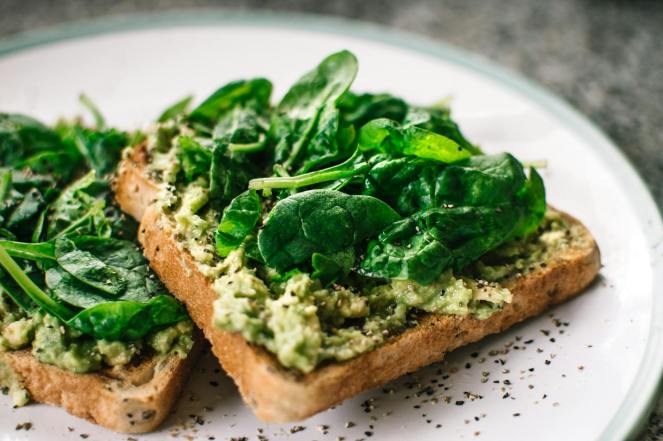
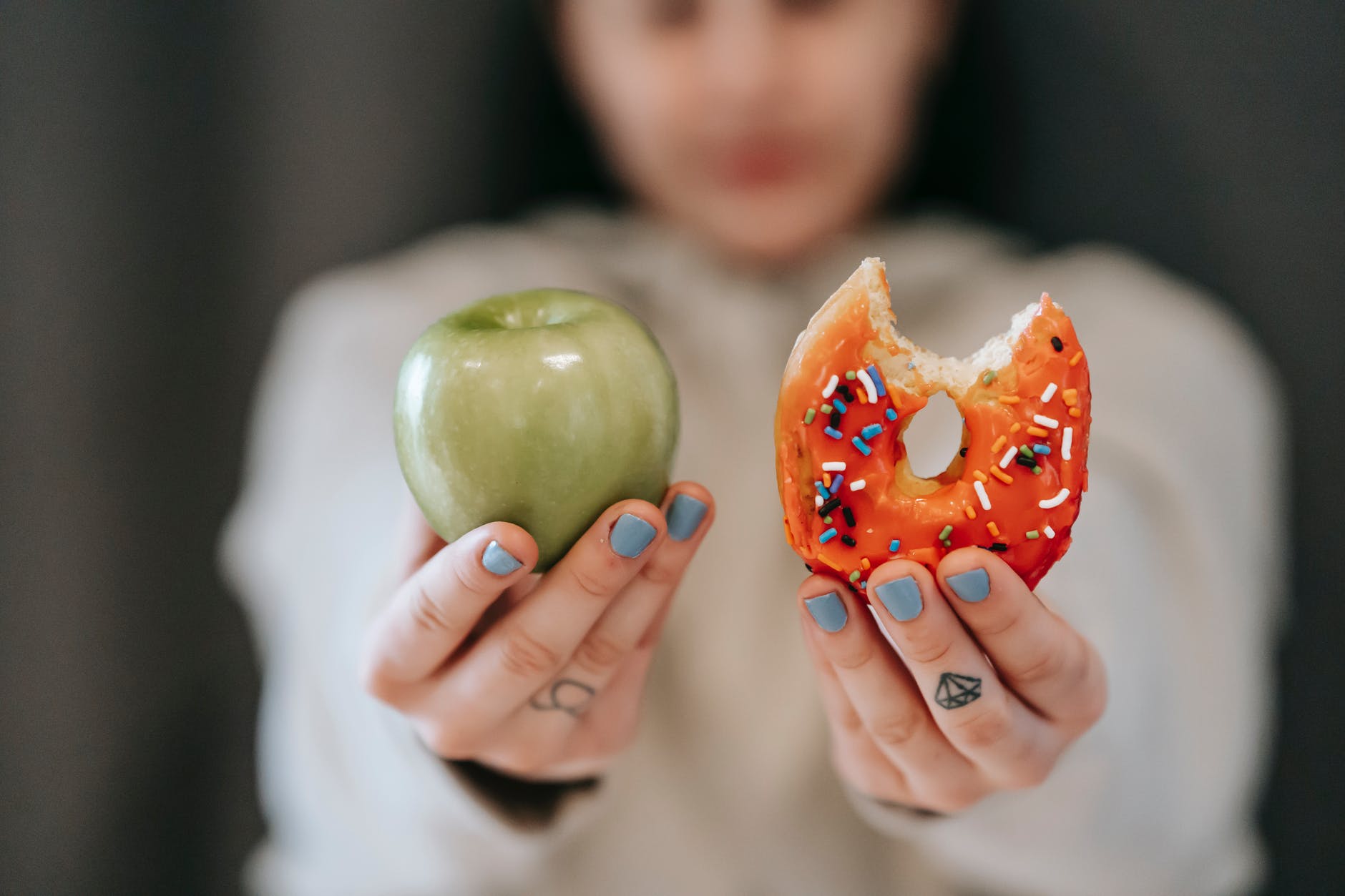
Photo by Lisa from Pexels on Pexels.com
Mindset and Motivation

A Guide to the New Healthier You!

If you are overweight, you have an overweight mindset. As much as we want to feel like victims to a cruel world that made us fat, ultimately it was our decisions that made our bodies overly fat. Recovery starts by realizing that we have a problem with our current behaviors and taking responsibility for the changes we want to see.

If you are eating junky processed foods, it’s no surprise that you “can’t lose weight”. If your day is largely sedentary, it’s no surprise that you “can’t lose weight”. If you eat clean all week and then go buckwild on the weekends, it’s no surprise that you “can’t lose weight”. In contrast, how would your weight look if you walked at least 5 days a week for 45 minutes, if you did strength training at least 2 days a week for 30 minutes, if you broke up long periods of sitting with a quick Zumba workout, if your everyday breakfasts and lunches were predictably healthy yet satisfying, if dinnertime prep consisted of chopping loads of fresh veggies and whole plant foods?

Perhaps you overeat when you are stressed out. Perhaps you can’t say no when your favorite snack foods are on sale. Perhaps you drink alcohol when you are bored or frustrated. Perhaps your alcohol consumption leads to decreased inhibitions when it comes to food choices. How do we get to be the people we want to be? How can we reprogram ourselves so that our baseline behaviors are healthy ones, perhaps with the exception of special occasions?

Highly successful people know that change comes from within ourselves. The change you seek is seeking you. The person you want to be is always one decision away. Each day, we must choose to be the healthier version of ourselves with our thoughts and behaviors. Would the healthier version of you finish off the tray of Oreos? Would the healthier version of you snack on processed foods while watching Real Housewives reruns? Or do those behaviors belong the the old you- the one that is long gone at this moment, because you decide it is so.

One of the first vegan resources I ever came across was a book series called “Skinny Bitch”. Her attitude, while controversial, was that if you wanted to lose weight, you had to stop acting like a fat person. You had to stop eating what fat people eat. And you needed to start behaving more like a skinny person. This approach received some pushback because there is thin line between this type of reasoning and the flawed reasoning associated with addictive eating disorders. However, I think that overweight folks do need to understand that they are never going to be like that one friend who can eat burgers and fries at the drive through and never gain a pound. If your life experiences have taught you that your genes are programed to accumulate adipose, then behaviors must be changed. And that all starts in the mind.

There is incredible research into manifestation and multiple universe theories that assert that we truly design our future with each thought, behavior, and action. However, this all begins with our thoughts- what we think is possible, what we think we are capable of… You are capable of living a healthier life. You are capable of sticking with it. You are capable of turning your life around and being an inspiration to others. But it begins with your decision to be the new you! More to come on mindset and motivation, but please reach out at weightogovegan@outlook.com or comment below if you are ready for the new you!

Photo by Andres Ayrton on Pexels.com
Fat Loss Strategies · Satiating Plant Based Meals · Uncategorized

Top 9 Plant Based Proteins to Include in Your Meal Plans

OVERVIEW: Increasing the protein content of your meals is the key to satiation! Especially if you are lifting weights or wanting to conserve your muscle mass, you are going to want to shoot for at least 20 grams of protein per meal. Experts recommend roughly 1 gram of protein per pound of body weight per day! Enter your daily energy intake in a calorie counter, and I can almost guarantee that unless you are paying close attention to your protein intake, you are missing that mark! Read below for top sources of vegan protein and suggestions of how to make a meal around these plant powered superfoods!

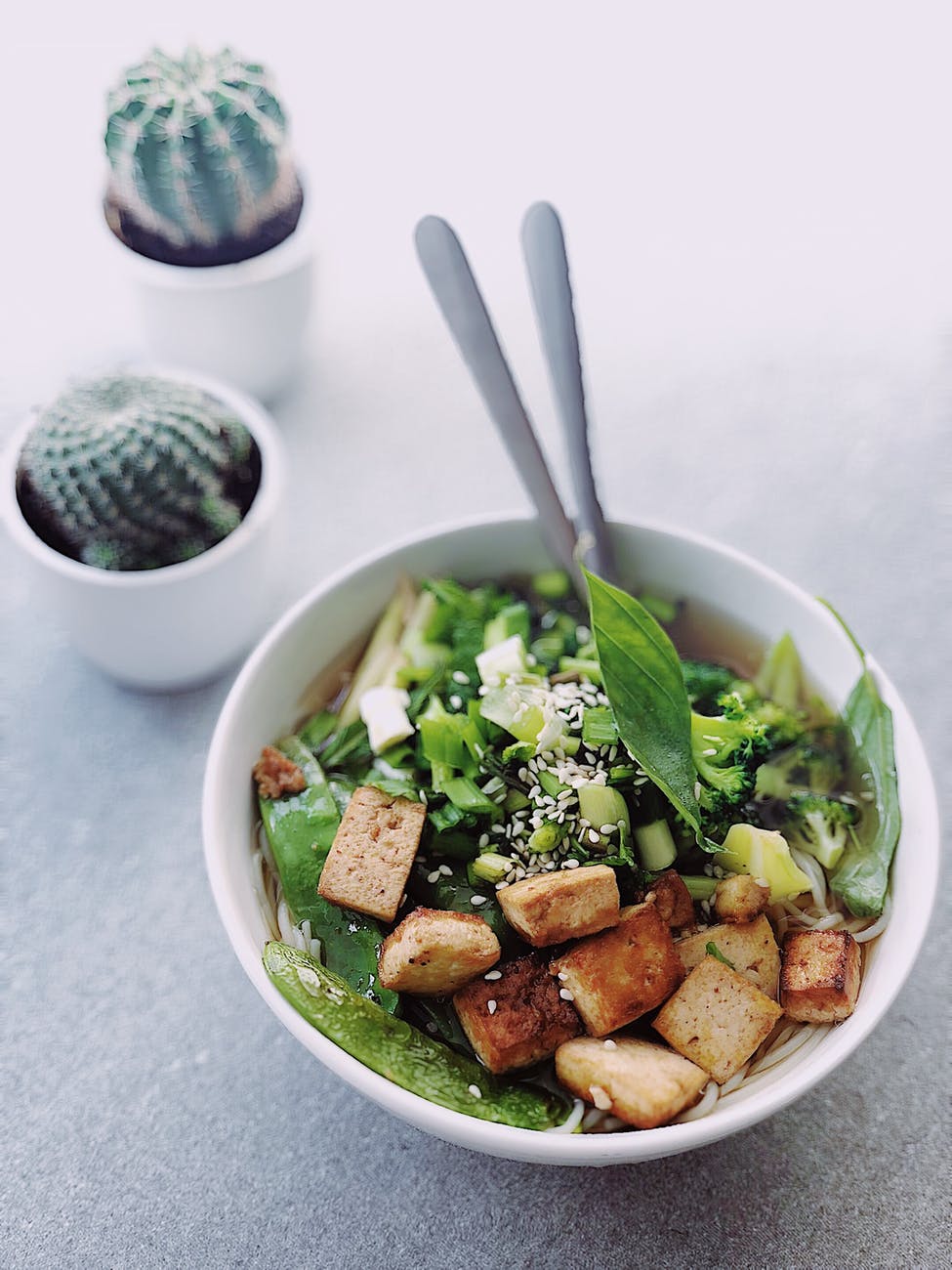
  1. Tofu– you guessed it! If you don’t like tofu, you probably aren’t preparing it well. It’s not supposed to be wet and squishy, unless of course you prefer it that way. If you have previously eaten white chicken meat, you can make your tofu resemble that consistency, savory flavor, and level of proteininess (spelling?) with the right preparation! Any upcoming article will focus on tofu preparation! But for now, opt for extra firm, a delicious marinade, and baking for at least 30 minutes until golden and chewy! Tofu is excellent in stirfry with brown rice and veggies! Each 6 oz serving of extra firm tofu has:
    • 22.6 grams of protein
    • 11.9 g fat
    • 188 calories
  2. Silken tofu makes a wonderful mousse but you can see it has a higher water content, diluting the macronutrients. A 6 oz serving of silken tofu contains:
    • 11.7 grams of protein
    • 4.6 g fat
    • 105 calories
  3. Tempeh is a less common form of soy. My favorite way to eat it is in “bac’n strips” with smoky marinade. A 6 oz serving of those strips features slightly more calories than the plain tofu above, with 4 extra grams of protein:
    • 26.9 grams of protein
    • 11.2 g of fat
    • 313 calories
  4. Beyond meat is a highly controversial topic. It’s that fat content that is the kicker here. Although the product is non-GMO, it falls in the processed foods category. I happily consume it from time to time, in burger and sausage form mostly. However, it is the highest calorie form of protein on this list, so proceed with caution, and opt for natural and whole foods that have lower caloric density whenever possible! But check out these statistics before we continue. A 6 oz portion of Beyond beef features:
    • 30.5 grams of protein
    • 27.5 g of fat!!!
    • 368 calories
  5. Protein Powder- My favorite protein powder, Orgain, comes in a variety of flavors and features of blend of pea, brown rice, and chia seed protein. It’s also fully organic! My favorite ways to consume protein powder are in smoothies and in oatmeal! Also, try adding protein powder to baked goods like pancakes, etc. Two scoops contains:
    • 21.0 grams of protein
    • 4 g of fat
    • 150 calories
  6. Edamame– Raw soybeans get their own special category in this list because they have 33% more protein than their legume counterparts. 6 oz of shelled edamame contains:
    • 20.3 grams of protein
    • 8.8 g of fat
    • 206 calories
  7. Legumes– Some people consider legumes more of a carbohydrate source than a protein source, but it is so important to get that resistant starch and fiber in for your gut health! And, if you are sensitive to beans, try making your own to decrease that digestive distress. I soak dried beans for 1-2 days, then strain and cook in a crockpot with water and a big pinch of sea salt on low for 8-12 hours. If you are new to being a vegan, your gut flora will adjust to legume consumption over time. Other legumes such as garbanzo, black beans, pintos, and lentils feature the following levels per 6 oz servings:
    • 15 grams of protein
    • 1-4 g of fat
    • 220-280 calories
  8. Nuts are a great source of protein and healthy fats. In general, nuts are not an excellent weight loss food because of their high caloric density. They can be used as a garnish, but should never be a main food group in your meal planning. (However, check out number 8 for a great alternative!) A 2 oz serving of nuts contains:
    • 10 grams of protein
    • 25 g of fat
    • 300-320 calories
  9. PB Fit peanut powder is a low fat and low calorie alternative! Try it with an apple, in oatmeal or baked goods, or in salad and stir-fry dressings! A 4 tablespoon serving of this powder consists of:
    • 16 grams of protein
    • 4 g fat
    • 140 calories

Photo by Daria Shevtsova on Pexels.com