Uncategorized

Brain Fog Is Your Body’s Fire Alarm: Time to Switch to an Anti-Inflammatory Diet

If you’re constantly tired, mentally foggy, or struggling to focus — you’re not just “off.”
You’re getting a desperate signal from your body: something’s inflamed, and it’s affecting your brain.

That fuzzy-headed feeling?
It’s not normal.
It’s not just stress.
It’s a fire alarm going off in your nervous system — and it’s telling you to change what you’re feeding your body and brain.

What Is Brain Fog, Really?

Brain fog is not a diagnosis — it’s a symptom of something deeper going wrong: inflammation, poor blood flow, gut issues, hormone imbalances, or blood sugar crashes.

For women with lipedema, this can be especially intense. New research shows that women with lipedema have increased cerebral blood flow — particularly in brain regions that process pain, emotion, and nervous system regulation. That might sound like a good thing, but it’s not always.

Too much blood flow can mean overactivation, chronic overstimulation, and mental burnout — all contributing to fog, fatigue, and anxiety.

If your brain is inflamed, foggy, or always “tired,” it’s not a character flaw.
It’s your body saying:

“Please help me. I’m inflamed, overwhelmed, and running low on clean fuel.”

Why an Anti-Inflammatory Diet Clears the Fog

Inflammation doesn’t just affect your joints or your skin — it affects your neurons, neurotransmitters, and mental clarity.
An anti-inflammatory diet — especially a plant-based one — helps by:

  • Feeding your gut microbiome, which supports brain health
  • Reducing oxidative stress, which protects your brain cells
  • Regulating blood sugar, avoiding energy crashes
  • Supporting better circulation, including cerebral blood flow

The Anti-Inflammatory Foods Women Should Be Eating Daily

Here are powerhouse plant foods you should include every day to reduce inflammation, support your brain, and help your body reset:

Leafy Greens

Spinach, kale, Swiss chard — high in folate, magnesium, and antioxidants that reduce brain inflammation.

Berries

Blueberries, strawberries, blackberries — rich in flavonoids that protect brain function and improve memory.

Chia Seeds & Flaxseeds

Excellent sources of plant-based omega-3s (ALA) — key for reducing inflammation and supporting brain cell structure.

Turmeric + Black Pepper

Turmeric contains curcumin, a potent anti-inflammatory. Pair with black pepper to increase absorption.

Broccoli & Cauliflower

Cruciferous veggies fight inflammation and support liver detox — which impacts brain clarity.

Avocados

Healthy fats that stabilize blood sugar and improve focus and memory.

Walnuts

Brain-shaped for a reason — they contain ALA, antioxidants, and polyphenols that boost cognitive function.

Green Tea or Matcha

Contains L-theanine, which calms the brain while promoting focus.

Beets

Support blood flow and oxygenation to the brain — especially helpful for women with circulation issues like lipedema.

Legumes (Lentils, Chickpeas, Black Beans)

Full of iron, magnesium, and slow-burning carbs to fuel your brain steadily.

Don’t Ignore the Signal

If you’re a woman dealing with lipedema, chronic fatigue, or daily mental fog, your brain is not broken — it’s inflamed.
And you can begin to shift it with daily food choices, not just supplements or stimulants.

Switching to a plant-based, anti-inflammatory diet won’t solve everything overnight, but it removes the gasoline from the fire. It lets your brain start to breathe again.

Start Here:

  • Swap out inflammatory triggers (dairy, red meat, refined sugar, ultra-processed foods).
  • Add at least 5 of the above anti-inflammatory foods daily.
  • Track how your brain feels — not just how your weight changes.

Brain fog is your fire alarm. Plant foods are the extinguisher.
If you’re ready to turn the fog into clarity, start with what’s on your plate.

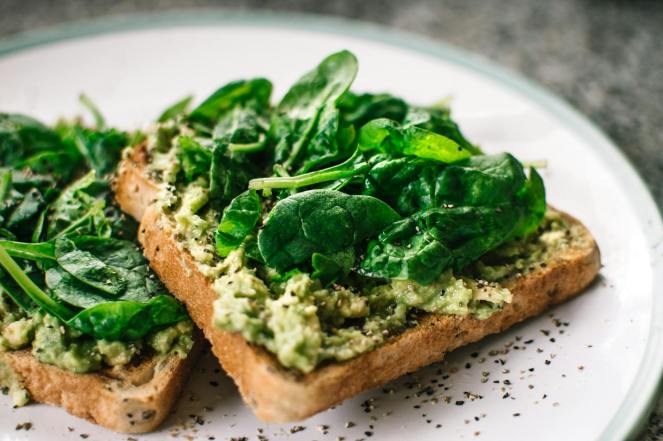
Photo by Photo By: Kaboompics.com on Pexels.com
Uncategorized

Is Keto Making Your Lipedema Worse?

In recent years, the keto diet has swept through the lipedema community like wildfire. Promising rapid weight loss and reduced inflammation, it’s no wonder so many women with lipedema turn to this high-fat, low-carb way of eating in hopes of relief. But here’s the hard truth:

The keto diet may be doing more harm than good for women with lipedema.

Why the Keto Diet Appeals to the Lipedema Community

Lipedema, a painful fat disorder affecting mostly women, is notoriously resistant to diet and exercise. Frustration is common, and the promise of fat-burning ketosis feels like a lifeline.

Keto’s appeal lies in:

  • Rapid water weight loss (which feels encouraging but isn’t true fat loss)
  • Claims of reduced inflammation
  • A “legal” way to eat calorie-dense comfort foods like cheese, butter, bacon, and steak

Social media is filled with women touting their keto success stories. But what you don’t always see are the long-term setbacks that many experience—like increased joint pain, stalled weight loss, hormonal issues, and worsening symptoms.

The Hidden Dangers of Keto for Lipedema

1. Animal Products Promotes Inflammation

The keto diet relies heavily on meat, dairy, and eggs—foods that are linked to systemic inflammation. For women with lipedema, whose tissue is already inflamed and fibrotic, that’s a huge red flag.

  • Saturated fat, abundant in animal products, can impair lymphatic function and increase inflammatory markers.
    Source: Harvard T.H. Chan School of Public Health
  • Dairy, particularly cheese, has been shown to raise insulin-like growth factor 1 (IGF-1), which promotes fat cell growth.
    Source: Allen NE, et al. Journal of the National Cancer Institute, 2002.
  • Red meat and processed meats are also linked to increased estrogen activity and oxidative stress, both problematic for lipedema.
    Source: Turner ND, Lloyd SK. Nutrition Research, 2017.

2. Lipedema is a Lymphatic and Hormonal Condition

Keto doesn’t address the underlying causes of lipedema: lymphatic dysfunction, hormonal imbalances, and connective tissue disorders. It focuses solely on weight loss—and often at the expense of long-term metabolic and hormonal health.

For example:

  • Keto can dysregulate thyroid hormones in women, worsening fatigue and metabolic slowdown.
    Source: McAninch EA, et al. Frontiers in Endocrinology, 2019.
  • Estrogen dominance, common in lipedema, is exacerbated by high saturated fat intake, which impairs estrogen detoxification through the liver and gut.

3. High-Fat Diets Can Worsen Gut Health

The gut microbiome is crucial for regulating inflammation and estrogen. Keto, especially when fiber is low, starves beneficial gut bacteria, reduces diversity, and increases gut permeability (“leaky gut”)—a driver of chronic inflammation.
Source: Singh RK, et al. Journal of Translational Medicine, 2017.

A Healthier Alternative: The Anti-Inflammatory Vegan Diet

Switching to a plant-based, anti-inflammatory vegan diet can radically shift how you manage lipedema. This approach is:

  • High in fiber, which supports detoxification and estrogen balance
  • Rich in antioxidants, which help break down fibrotic tissue
  • Low in saturated fat, reducing inflammation and improving lymph flow
  • Naturally alkalizing, supporting healthy connective tissue and reduced edema

Plant foods like berries, leafy greens, cruciferous veggies, flaxseeds, beans, and legumes are nutritional powerhouses for women with lipedema. They support:

  • Hormone detox (especially when paired with cruciferous veggies and flax)
  • Collagen repair and lymphatic flow
  • Stable blood sugar without the inflammatory toll of animal products

Women who’ve made the switch to a whole-food vegan diet often report better energy, improved skin tone, less puffiness, and even measurable reduction in limb size over time.

You Deserve a Better Path

The keto diet isn’t evil—but it’s not your solution if you’re managing lipedema long-term. Instead of chasing the next trendy protocol, it’s time to align your diet with your biology.

✅ Anti-inflammatory
✅ Estrogen-balancing
✅ Lymph-friendly
✅ Fiber-rich and deeply nourishing


Ready to Try the Lipedema Vegan Protocol?

If you’re curious about transitioning to a plant-based diet that supports your lipedema healing, check out my free resources and meal planning guides at LipedemaVegan.com.

Let’s stop fighting fat with fads and start healing with food.

Uncategorized

The Carnivore Diet is Bullshit

Why Eating Only Meat Is Not the Answer to America’s Health Crisis

America has a problem—a meat-sized problem. Chronic diseases like heart disease, cancer, obesity, and type 2 diabetes are the top preventable causes of death in the United States. And what do they have in common? Diet.

So why, in the middle of a public health crisis, are people turning to the carnivore diet—a regimen that eliminates every plant food on Earth and doubles down on red meat, eggs, and butter?

Let’s be clear: the carnivore diet is not just restrictive—it’s dangerously myopic. And despite the hype on podcasts and TikTok, peer-reviewed science says it’s bullshit when it comes to long-term health.


🧠 The Logic of Disease Prevention

If we’re going to talk about diet, we need to talk about what kills people in the U.S.:

  • Heart disease: #1 cause of death
  • Cancer: #2 cause of death
  • Stroke & diabetes: Top contributors to disability and death
  • Obesity & inflammation: Drivers of all of the above

Any diet that claims to be “optimal” should reduce your risk of those diseases. So, let’s compare the carnivore diet to a vegan diet—one backed by decades of research—for the four biggest pillars of health: weight, cancer, heart disease, and inflammation.


⚖️ 1. Weight Loss

Carnivore diet:

  • Some people report weight loss, but no clinical trials confirm this.
  • A Harvard study (2021) surveyed 2,000 self-selected carnivore dieters, and while many reported weight loss, the data was self-reported and biased.
  • No fiber, no carbs, no nuance. Just meat and discipline.

Vegan diet:

  • Randomized trials show that whole-food, plant-based diets lead to sustained weight loss without calorie counting.
  • High fiber and low-calorie density foods increase satiety and decrease total intake naturally.
    📚 Source: Obesity Medicine Association, 2022

✅ Verdict: Vegan diets win—with real data, not anecdotes.


🧬 2. Cancer Prevention

Carnivore diet:

  • The WHO classifies processed meat as carcinogenic and red meat as probably carcinogenic, especially in relation to colorectal cancer.
  • No fruits, vegetables, or phytochemicals = no protective compounds.

Vegan diet:

  • Rich in antioxidants, fiber, and anti-cancer compounds like flavonoids and polyphenols.
  • Meta-analyses show reduced risk of multiple cancers among vegetarians and vegans.
    📚 Source: PubMed – PMC35334103

✅ Verdict: Plants fight cancer. Meat increases risk.


❤️ 3. Heart Health

Carnivore diet:

  • Extremely high in saturated fat and cholesterol.
  • Elevates LDL cholesterol—a well-established risk factor for atherosclerosis and heart disease.
    📚 Source: Journal of the American College of Cardiology

Vegan diet:

  • Lowers LDL cholesterol, blood pressure, and inflammatory markers.
  • In a study of identical twins, those on a vegan diet had significantly better heart health than their omnivorous siblings after just 8 weeks.
    📚 Source: Stanford School of Medicine, 2023

✅ Verdict: Vegan diets protect the heart. Carnivore diets endanger it.


🔥 4. Inflammation (a Root Cause of Lipedema)

Carnivore diet:

  • Claims of “reduced inflammation” are anecdotal and unsupported by peer-reviewed research.
  • Lacks fiber, which supports gut microbiota—essential for regulating inflammation.
    📚 Source: WebMD & Harvard Health

Vegan diet:

  • Associated with lower C-reactive protein (CRP), a marker of systemic inflammation.
  • Polyphenol-rich foods (berries, greens, turmeric) fight inflammation at the cellular level.
    📚 Source: PMC7730154

✅ Verdict: Fiber and phytonutrients are anti-inflammatory. Meat alone is not.


🧂 What About the “Success Stories”?

Yes, some people feel better on the carnivore diet—often because they cut out ultra-processed junk, sugar, and foods they didn’t realize were triggering issues. But eliminating every plant food to get there? That’s like burning down your house because of a spider.

There are healthier, evidence-based ways to reduce inflammation, lose weight, and improve autoimmune symptoms. A well-structured vegan or Mediterranean diet does that—without risking colon cancer or clogging your arteries.


🌀 Hormonal Havoc: Why the Carnivore Diet Can Backfire for Women

Emerging evidence and clinical observations also raise concerns about the impact of the carnivore diet on women’s hormonal balance and mental health. Extremely low-carbohydrate, high-protein diets can increase cortisol, the body’s primary stress hormone, particularly in women—leading to disruptions in menstrual cycles, sleep, and emotional regulation. Carbohydrates play a key role in serotonin production, and their absence may contribute to anxiety, depression, and mood instability over time. Some women report amenorrhea (loss of periods), fatigue, or increased irritability on carnivore diets, all of which signal that the body is under stress—not thriving. Long-term restriction of plant foods also eliminates critical phytoestrogens and nutrients like magnesium, folate, and B6 that support hormonal health. For women especially, the carnivore diet may offer short-term control but at the cost of long-term hormonal chaos.

🧠 Final Thoughts: The Carnivore Diet Is a Dead End

The carnivore diet is the ultimate nutritional echo chamber: short-term relief with long-term risk, sold to you by influencers with no scientific backing.

If your goal is to live longer, avoid disease, and thrive—not just survive—then meat-only madness is not the way.

Want a real solution?
Focus on fiber. Eat a rainbow. Don’t take nutrition advice from people who think vegetables are dangerous.

Uncategorized

50 Meal Ideas for Women with Lipedema Switching to an Anti-Inflammatory Vegan Diet

If you’re a woman with lipedema making the transition to a vegan, anti-inflammatory diet, you might be wondering: What can I eat?

Lipedema is a chronic condition that causes fat accumulation, pain, and inflammation, particularly in the lower body. While there’s no cure, following an anti-inflammatory diet can help reduce symptoms, promote weight management, and support lymphatic health.

A vegan anti-inflammatory diet focuses on:
Whole, unprocessed foods (fruits, vegetables, legumes, whole grains, nuts, and seeds)
Omega-3-rich foods (flaxseeds, chia seeds, walnuts, and algae-based omega-3 supplements)
Antioxidant-rich foods (berries, leafy greens, cruciferous vegetables, turmeric, ginger)
Low-inflammatory protein sources (tofu, tempeh, lentils, beans, hemp seeds, pea protein)
Gut-friendly foods (fermented foods, prebiotic-rich fiber)
Balanced meals that support stable blood sugar and lymphatic function

A lipedema-friendly vegan diet should:
✅ Include familiar, easy-to-find foods
✅ Focus on protein, healthy fats, and fiber
✅ Be low in refined sugars & processed foods
✅ Reduce inflammatory foods like dairy and meat

Here are 50 meal ideas with simple ingredients you can find at any grocery store!


🌞 Breakfast Ideas (10)

  1. Peanut Butter Banana Toast – Whole grain toast with peanut butter and banana slices.
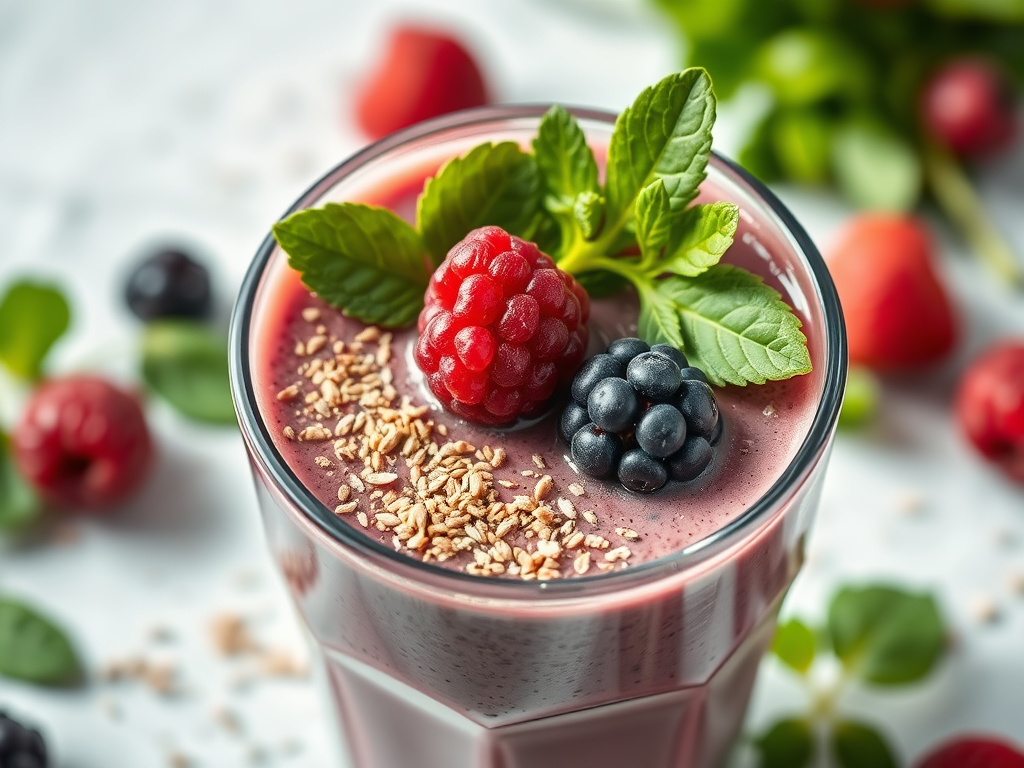
  2. Berry Protein Smoothie – Frozen strawberries, plant protein powder, flaxseeds, and almond milk.
  3. Vegan Pancakes – Made with oat flour or whole wheat flour, topped with maple syrup.
  4. Avocado Toast – Mashed avocado on toast with hemp seeds and red pepper flakes.
  5. Cinnamon Oatmeal with Walnuts – Old-fashioned oats with cinnamon, maple syrup, and walnuts.
  6. Tofu & Hash Brown Scramble – Crumbled tofu cooked with breakfast potatoes and bell peppers.
  7. Almond Butter & Apple Slices – Sweet and crunchy morning snack.
  8. Breakfast Burrito with Beyond Sausage – Scrambled tofu, avocado, and dairy-free cheese in a tortilla.
  9. Vegan Yogurt with Granola & Berries – Coconut or almond yogurt with granola and blueberries.
  10. Protein-Packed Overnight Oats – Oats soaked overnight with almond milk, chia seeds, and cocoa powder.

🥗 Lunch Ideas (10)

  1. Vegan Grilled Cheese & Tomato Soup – Made with dairy-free cheese and whole wheat bread.
  2. Chickpea Salad Sandwich – Mashed chickpeas mixed with vegan mayo, celery, and mustard on whole wheat bread.
  3. Vegan Mac & Cheese – Made with cashew cheese sauce or dairy-free cheddar.
  4. Spaghetti with Meatless Marinara – Whole wheat pasta with plant-based ground beef and marinara sauce.
  5. BBQ Jackfruit Sandwich – Pulled jackfruit in BBQ sauce on a whole wheat bun with coleslaw.
  6. Vegan BLT – Whole wheat toast with tempeh bacon, lettuce, and tomato.
  7. Loaded Baked Potato – Topped with dairy-free sour cream, chives, and black beans.
  8. Lentil Sloppy Joes – Lentils cooked in a smoky tomato sauce on a bun.
  9. Vegan Quesadilla – Whole wheat tortilla with dairy-free cheese, black beans, and avocado.
  10. Beyond Burger with Sweet Potato Fries – A classic American meal, made healthier.

🍽️ Dinner Ideas (10)

  1. Vegan Tacos – Made with lentil taco filling, dairy-free sour cream, and guacamole.
  2. Plant-Based Meatloaf & Mashed Potatoes – Made with lentils or Beyond Meat.
  3. BBQ Tofu with Corn on the Cob – A classic backyard meal made vegan.
  4. Buffalo Cauliflower Wings & Fries – Baked cauliflower bites with buffalo sauce.
  5. Vegan Chili with Cornbread – Lentils, black beans, and tomatoes with homemade cornbread.
  6. Stuffed Bell Peppers – Peppers filled with brown rice, black beans, and salsa.
  7. Dairy-Free Alfredo Pasta – Made with cashew sauce and whole wheat pasta.
  8. Vegan Pizza Night – Use a whole wheat crust, tomato sauce, veggies, and dairy-free cheese.
  9. Baked Ziti with Cashew Ricotta – Comfort food made plant-based.
  10. Shepherd’s Pie with Lentils & Mashed Potatoes – A hearty and filling dinner.

🥑 Snack Ideas (10)

  1. Popcorn with Nutritional Yeast – Savory, cheesy flavor without the dairy.
  2. Hummus & Whole Wheat Crackers – Easy and protein-packed.
  3. Dark Chocolate with Almond Butter – A satisfying sweet snack.
  4. Homemade Trail Mix – Nuts, seeds, and dried fruit.
  5. Celery & Peanut Butter – Crunchy and satisfying.
  6. Roasted Chickpeas – A crunchy, high-protein snack.
  7. Apple Chips – Naturally sweet and fiber-rich.
  8. Graham Crackers with Almond Butter – A childhood favorite with a healthy twist.
  9. Coconut Yogurt & Granola – Simple and gut-friendly.
  10. Vegan Cheese & Crackers – A familiar, satisfying snack.

🥤 Drinks & Smoothies (10)

  1. Chocolate Protein Shake – Plant-based protein, cocoa powder, banana, and almond milk.
  2. Strawberry Banana Smoothie – Classic and delicious.
  3. Iced Matcha Latte – Made with coconut milk and sweetened with stevia.
  4. Green Detox Smoothie – Spinach, pineapple, banana, and almond milk.
  5. Golden Turmeric Latte – Coconut milk, turmeric, and cinnamon.
  6. Vanilla Almond Milkshake – Frozen banana, vanilla extract, and almond milk.
  7. Hibiscus Iced Tea – Hydrating and antioxidant-rich.
  8. Coconut Water with Lime – Electrolyte-rich and refreshing.
  9. Spiced Chai Tea Latte – A cozy, caffeine-free option.
  10. Classic Lemonade with Stevia – A sugar-free summer drink.

Transitioning to a vegan anti-inflammatory diet doesn’t mean you have to give up your favorite foods! With a few simple swaps, you can enjoy familiar meals that reduce inflammation, stabilize blood sugar, and support your body while managing lipedema symptoms.

The key is to focus on whole, plant-based foods that reduce inflammation, support circulation, and stabilize blood sugar. By incorporating healthy fats, fiber, plant protein, and antioxidant-rich ingredients, you’ll help your body function optimally while managing lipedema symptoms.

🌱 For more meal ideas, recipes, and lipedema-friendly nutrition tips, subscribe to my newsletter! 🌱

Photo by Lisa from Pexels on Pexels.com
Uncategorized

My Morning Smoothie: A Vegan Start to Managing Lipedema

As a woman living with lipedema, I’ve learned that diet plays a crucial role in managing this condition. Over the years, I’ve adopted a healthy, anti-inflammatory vegan lifestyle, and I’m thrilled to share the positive impact it’s had on my life. One of the cornerstones of my daily routine is my morning smoothie — a nutrient-packed powerhouse that sets me up for success every day.

Why a Vegan, Anti-Inflammatory Diet?

Lipedema is a condition often associated with chronic inflammation, so choosing foods that combat inflammation is vital. Dr. Michael Greger’s Daily Dozen, a guide to optimal plant-based eating, has been an incredible resource for me. His emphasis on whole, plant-based foods aligns perfectly with an anti-inflammatory approach. Dr. Brooke Goldner’s hypernutrition protocol has also been a game-changer, emphasizing the importance of daily smoothies packed with greens, flaxseeds, and berries to combat inflammation and promote healing.

My Morning Smoothie Recipe

Here’s the smoothie recipe that I’ve been enjoying almost every day for years. Not only does it taste amazing, but it’s packed with anti-inflammatory ingredients:

Ingredients:

  • 1 cup organic frozen mixed berries
  • 1 cup leafy greens (I use cruciferous microgreens grown on our farm!)
  • 2 tablespoons whole flaxseed
  • ½ scoop Vega Sport Protein (or any organic vegan protein powder that includes 15mg of protein)
  • Optional: Stevia for sweetness or a banana for natural sweetness
  • Water or unsweetened plant milk to blend

Simply blend all the ingredients together until smooth and enjoy!

Breaking Down the Anti-Inflammatory Power

Each ingredient in this smoothie serves a purpose:

  • Berries: Rich in antioxidants and anthocyanins, berries help fight inflammation and oxidative stress. They’re also a great source of vitamin C, supporting skin health and immune function.
  • Leafy Greens: Cruciferous microgreens, like kale or broccoli, are packed with sulforaphane, a powerful compound that combats inflammation and supports detoxification.
  • Flaxseed: A fantastic source of omega-3 fatty acids, lignans, and fiber, flaxseed helps reduce inflammation and improve cardiovascular health.
  • Vegan Protein Powder: A high-quality protein powder ensures I’m meeting my protein needs while staying plant-based. Protein also helps stabilize blood sugar levels and keeps me full longer.
  • Stevia or Banana: Both options provide sweetness without spiking blood sugar levels, and a banana adds a dose of potassium and fiber.

Why This Smoothie Works for Lipedema

Starting my day with this smoothie ensures I’m flooding my body with nutrients that support healing and energy. It’s a quick, convenient way to incorporate key anti-inflammatory foods first thing in the morning. I notice a big difference when I’m consistent with it — my energy levels are steadier, and my body feels more balanced.

Even our toddler loves it! There’s something so rewarding about knowing I’m setting a healthy example and nourishing my family at the same time.

Tips for Success

  • Batch your ingredients: Pre-portion your smoothie ingredients in freezer bags for a grab-and-blend option.
  • Experiment: Swap out greens or berries for variety, or add extras like chia seeds or turmeric for an extra anti-inflammatory boost.
  • Stay consistent: Making this smoothie a habit has been key to reaping its benefits.

Final Thoughts

Managing lipedema with a vegan, anti-inflammatory diet is about consistency, balance, and enjoying the journey. This morning smoothie has become a ritual I genuinely look forward to every day. It’s simple, delicious, and packed with everything my body needs to feel its best. If you’re looking for a way to incorporate more greens and anti-inflammatory foods into your diet, give it a try — you might just fall in love with it like I have!

Uncategorized

Managing Lipedema with Hearty Vegan Winter Soups

Winter is the perfect time to cozy up with a warm bowl of soup. For individuals managing lipedema, soups can be both a comforting meal and a powerful tool for promoting health. When packed with anti-inflammatory, nutrient-dense, plant-based ingredients, soups not only warm the soul but also support your body’s fight against inflammation and swelling. Let’s dive into why hearty winter soups are a game-changer and explore some key ingredients to include in your recipes.


Why Soups are Ideal for Lipedema Management

  1. High Nutritional Density: Soups are an excellent way to pack a variety of vegetables, legumes, and herbs into one meal, delivering essential vitamins, minerals, and antioxidants.
  2. Hydration Boost: Many people with lipedema struggle with fluid retention. Soups, being water-based, provide hydration, which can support lymphatic drainage and reduce swelling.
  3. Easily Digestible: Warm, blended soups are gentle on the digestive system, making it easier for your body to absorb nutrients.
  4. Customizable: You can tailor soups to meet your dietary needs by avoiding common inflammatory triggers like gluten, processed foods, or high-sodium broths.

Health Benefits of Common Ingredients in Lipedema-Friendly Soups

1. Turmeric
Turmeric is a superstar spice in managing inflammation. Curcumin, its active compound, has been shown to reduce inflammation and oxidative stress—both key factors in lipedema management. Add turmeric to soups like lentil or carrot ginger for a golden, healing boost.

2. Ginger
Known for its anti-inflammatory and digestive properties, ginger can ease bloating and improve circulation. Use it in carrot, sweet potato, or squash soups for a zesty kick.

3. Leafy Greens
Kale, spinach, and Swiss chard are loaded with vitamins A, C, and K, as well as antioxidants that support lymphatic health. Blend them into creamy soups or add them to brothy vegetable soups.

4. Lentils and Legumes
These are excellent plant-based protein sources rich in fiber, which aids digestion and helps regulate blood sugar—important for managing lipedema. Lentils also add a hearty texture to soups like dal or lentil stew.

5. Sweet Potatoes
Sweet potatoes are rich in beta-carotene, a powerful antioxidant that combats inflammation. They also provide a naturally sweet, creamy texture to soups.

6. Garlic and Onions
These allium vegetables contain compounds that boost immunity and reduce inflammation. Sauté them as a base for almost any soup to enhance flavor and health benefits.

7. Cruciferous Vegetables
Broccoli, cauliflower, and cabbage are high in sulfur-containing compounds that support detoxification. Incorporate them into blended soups or hearty vegetable stews.

8. Herbs: Parsley and Cilantro
These herbs are natural diuretics and support the body’s ability to flush out excess fluids. Use them as garnishes or blend them into soups like minestrone or creamy potato leek.


3 Lipedema-Friendly Vegan Winter Soup Recipes

1. Creamy Turmeric Lentil Soup

  • Ingredients: Red lentils, coconut milk, vegetable broth, turmeric, ginger, garlic, onion, and spinach.
  • Benefits: This soup is packed with plant-based protein, anti-inflammatory spices, and leafy greens for maximum nutrition.

2. Roasted Sweet Potato and Carrot Soup

  • Ingredients: Sweet potatoes, carrots, vegetable broth, ginger, garlic, and a touch of cinnamon.
  • Benefits: Beta-carotene-rich vegetables and warming spices create a nutrient-dense, comforting dish.

3. Detox Green Soup

  • Ingredients: Broccoli, kale, zucchini, parsley, garlic, and a splash of lemon juice.
  • Benefits: Loaded with antioxidants and detoxifying ingredients, this soup supports lymphatic health and reduces inflammation.

Tips for Making the Perfect Lipedema-Friendly Soup

  1. Choose Low-Sodium Broth: Avoid swelling triggers by opting for low-sodium or homemade vegetable broth.
  2. Add Healthy Fats: Include a drizzle of olive oil or a scoop of tahini for added creaminess and omega-3s.
  3. Blend for Creaminess: Use a high-speed blender to achieve a creamy consistency without the need for dairy.
  4. Batch Cook: Make large portions and freeze individual servings for busy days.
  5. Spice It Up: Use anti-inflammatory spices like turmeric, paprika, and cumin to enhance flavor and benefits.

Conclusion

Hearty vegan soups are a delicious and effective way to support your lipedema management journey. By incorporating anti-inflammatory, nutrient-dense ingredients into your meals, you can enjoy the warmth and comfort of winter soups while promoting better health. Try the recipes above, experiment with your favorite ingredients, and remember: every spoonful is a step toward wellness.

For more recipes, tips, and inspiration, visit my blog and follow along on Instagram. Let’s thrive together! 🌱

Uncategorized

How to Eat Vegan at Restaurants Like a Pro

Let’s get one thing straight: eating vegan at restaurants is not hard. It’s not like we’re asking chefs to grow kale in the back alley and hand-press tofu while you wait. But somehow, ordering vegan can feel like an Olympic sport. Don’t worry, I’ve been a vegan for 12 years and I’ve got you covered with tips that’ll make you a vegan ninja at any eatery. Let’s dive in, shall we?


Step 1: Know Before You Go

Before you even set foot in the restaurant, channel your inner spy and check the menu online. Most places list their dishes, and you can spot your options faster than your friends can say, “What’s seitan?”

Pro Tip: If there are no vegan options, call ahead. This isn’t the 1800s—chefs can whip up something plant-based without a fuss. Just ask nicely… or with mild sarcasm.


Step 2: Befriend the Salad Section

Salads are the obvious choice, but don’t settle for some sad iceberg lettuce with a tomato slice. Tell the waiter you want ALL the veggies, nuts, seeds, and whatever else they’ve got. And ask for dressing on the side—no one needs their kale drowning in creamy ranch.

Sassy Tip: If they give you attitude, casually mention that veganism is trendy now, and you’re basically doing them a favor by gracing their establishment.


Step 3: Side Dishes Are Your Secret Weapon

Side dishes are the unsung heroes of dining out vegan. Sweet potato fries, sautéed greens, roasted veggies—pile them up like you’re building a food pyramid. Bonus: they’re usually cheaper than a main dish, so you can spend extra on dessert. #Winning


Step 4: Customize, Customize, Customize

Think of the menu as a suggestion, not a rulebook. Want that pasta without the cream sauce? Done. Craving a veggie pizza with no cheese? Easy. Most chefs are used to substitutions, so don’t feel bad for asking. You’re a paying customer, not a charity case.

Sassy Tip: If anyone at the table rolls their eyes, remind them that you’re saving the planet while they’re inhaling chicken wings. Then order with extra confidence.


Step 5: Ethnic Cuisine = Vegan Goldmine

Some cuisines are basically vegan-friendly without even trying. Indian, Thai, Mediterranean, Middle Eastern—these places are your new BFFs. Look for dishes like:

  • Indian: Chana masala, aloo gobi, dal.
  • Thai: Veggie stir-fries, tofu curries (double-check for fish sauce).
  • Mediterranean: Hummus platters, falafel, tabbouleh.
  • Mexican: Bean burritos, veggie tacos (hold the cheese).

Sassy Reminder: If the menu looks like a meat parade, just order guacamole and margaritas. Sometimes, it’s about survival.


Step 6: Dessert Is Your Right

So, you’ve made it through dinner like a vegan queen, and now it’s time for dessert. If there’s nothing vegan on the menu, ask if they can make something. Sorbet, fruit plates, or even a scoop of dairy-free ice cream might magically appear.

Pro Tip: If all else fails, pull out your emergency stash of vegan chocolate. Every pro knows to keep one in their purse.


Step 7: Handle the Waitstaff with Charm

Your waiter doesn’t need a 30-minute lecture on animal agriculture, so keep it simple. Smile, be polite, and if they go the extra mile to accommodate you, tip generously. Being a vegan isn’t about being that person. It’s about being fabulous and plant-based.


Step 8: Ignore the Haters

You’ll inevitably get the “What do you even eat?” or “Are you sure you’re getting enough protein?” comments from someone at the table. Smile sweetly and say, “Oh, I’m getting everything I need and more—thanks for your concern!” Then steal one of their fries for good measure.


Step 9: Celebrate Your Victory

You did it! You ordered vegan, navigated the minefield of social judgment, and probably ate something delicious. Reward yourself with a coffee, a glass of wine, or a smug Instagram post captioned, “Vegan and thriving. 💚”


Eating vegan at restaurants isn’t hard—it’s an adventure. With a little creativity, a lot of sass, and maybe some pre-dinner snacks in case things go sideways, you’ll be living your best plant-based life anywhere you go. Bon appétit, darling!

Uncategorized

How to Start a Vegan Diet in January for Veganuary

January is the perfect time to make positive changes, and what better way to kick off the new year than by participating in Veganuary? This global movement encourages people to try a vegan diet for the entire month of January. Whether you’re doing it for your health, the environment, or animals, transitioning to a vegan diet can be a rewarding experience. Here’s a step-by-step guide to help you start strong and stick with it.


1. Understand the Benefits of a Vegan Diet

Knowing why you’re trying veganism can help you stay motivated. Here are some compelling reasons:

  • Health Benefits: A plant-based diet can lower cholesterol, reduce inflammation, and improve overall well-being. It is especially helpful for the 15% of women worldwide who have lipedema!
  • Environmental Impact: Eating vegan reduces your carbon footprint, water usage, and deforestation.
  • Animal Welfare: A vegan lifestyle spares animals from harm and exploitation.

2. Start with What You Know

Transitioning to a vegan diet doesn’t mean starting from scratch. Take a look at meals you already enjoy and veganize them. Love pasta? Swap out the cheese for a plant-based alternative. Enjoy stir-fries? Just replace meat with tofu or tempeh.


3. Stock Your Pantry with Essentials

Having a well-stocked pantry makes cooking vegan meals easier. Start with these staples:

  • Grains: Brown rice, quinoa, oats, and whole-grain pasta.
  • Legumes: Lentils, chickpeas, black beans, and split peas.
  • Nuts and Seeds: Almonds, chia seeds, flaxseeds, and sunflower seeds.
  • Spices and Condiments: Nutritional yeast, soy sauce, tahini, and smoked paprika.
  • Plant-Based Milks: Almond, soy, oat, or coconut milk.

4. Plan Your Meals

Meal planning helps you stay on track and prevents you from reaching for non-vegan options. Use online resources or cookbooks to find simple recipes. Here’s a sample day:

  • Breakfast: Overnight oats with almond milk, chia seeds, and fresh berries.
  • Lunch: Lentil soup with whole-grain bread.
  • Snack: Hummus with carrot and cucumber sticks.
  • Dinner: Stir-fried tofu with broccoli, bell peppers, and quinoa.
  • Dessert: Dairy-free chocolate or a banana with peanut butter.

5. Try Vegan Alternatives

The market is full of delicious vegan alternatives to make your transition easier:

  • Dairy-Free Cheeses: Brands like Violife, Miyoko’s, or Daiya.
  • Meat Substitutes: Beyond Meat, Impossible Foods, or seitan.
  • Plant-Based Yogurts: Coconut or almond-based yogurts.
  • Egg Replacements: Use flaxseeds, chia seeds, or commercial egg replacers for baking.

6. Explore Vegan Restaurants and Cafés

Take advantage of Veganuary to discover vegan-friendly eateries. Use apps like HappyCow to find vegan restaurants near you. Trying new dishes can inspire your home cooking.


7. Join a Community

Support from others makes any challenge easier. Join online forums, social media groups, or Veganuary’s official website to connect with other participants. Share recipes, ask questions, and celebrate your successes.


8. Educate Yourself

Learning about veganism can help you stay committed. Watch documentaries like Forks Over Knives, The Game Changers, or Cowspiracy. Read books like How Not to Die by Dr. Michael Greger or The Vegan Starter Kit by Dr. Neal Barnard.


9. Be Patient with Yourself

Transitioning to a vegan diet is a process, and it’s okay to make mistakes. If you accidentally eat something non-vegan, don’t be too hard on yourself. Focus on your progress and remember why you started.


10. Celebrate Your Success

By the end of January, take a moment to reflect on your journey. You might notice improvements in your energy, mood, or even skin. Celebrate your commitment and consider continuing your vegan journey beyond Veganuary.


Veganuary is an excellent opportunity to try something new and impactful. With a bit of preparation and an open mind, you can enjoy a delicious, healthy, and compassionate start to the year. Are you ready to give it a go? Let’s make January the month of positive change!