Uncategorized

Why GLP-1 Medications Like Semaglutide Are Not a Solution for Lipedema

GLP-1 receptor agonists, such as semaglutide (marketed as Ozempic and Wegovy), have gained attention for their effectiveness in managing type 2 diabetes and aiding weight loss in individuals with obesity. However, their application in treating lipedema—a chronic fat disorder—raises concerns due to fundamental differences between lipedema and conditions these medications are approved to treat.


Understanding Lipedema: Not Just Excess Weight

Lipedema is a chronic condition characterized by the abnormal accumulation of fat, primarily in the lower body, leading to pain, swelling, and easy bruising. Unlike general obesity, lipedema fat is resistant to diet and exercise and often affects individuals who are not overweight. This distinction is crucial, as misdiagnosis can lead to inappropriate treatments.


FDA Approval of GLP-1 Medications: Specific Indications

Semaglutide has received FDA approval for specific uses:

  • Type 2 Diabetes Management: As an adjunct to diet and exercise to improve glycemic control in adults with type 2 diabetes.(source)
  • Chronic Weight Management: For adults with obesity (BMI ≥30) or overweight (BMI ≥27) with at least one weight-related condition, such as hypertension or dyslipidemia. (source)

These approvals are based on the medication’s ability to regulate blood sugar and promote weight loss through appetite suppression.


Limitations in Treating Lipedema

Applying GLP-1 medications to lipedema treatment is problematic for several reasons:

  • Lack of Efficacy on Lipedema Fat: Lipedema fat is pathologically different from general adipose tissue and does not respond to weight loss strategies that are effective for obesity.
  • Absence of Clinical Trials: There is a lack of robust clinical evidence supporting the use of GLP-1 agonists for lipedema.
  • Potential Side Effects: GLP-1 medications can cause gastrointestinal issues, pancreatitis, and other side effects, which may outweigh potential benefits for lipedema patients without comorbid conditions.

Importance of Accurate Diagnosis

Misdiagnosing lipedema as obesity can lead to inappropriate treatment plans. Healthcare providers need better training to distinguish between these conditions to avoid prescribing ineffective and potentially harmful medications.


Emphasizing Anti-Inflammatory Diets

For lipedema management, adopting a health-promoting, anti-inflammatory diet may offer benefits without the risks associated with GLP-1 medications. Diets rich in whole foods, healthy fats, and low in processed sugars can help reduce inflammation and manage symptoms.


Conclusion

While GLP-1 receptor agonists like semaglutide are valuable tools for managing type 2 diabetes and obesity, they are not appropriate treatments for lipedema in the absence of these conditions. A focus on accurate diagnosis and holistic, non-pharmacological approaches remains essential for effective lipedema management.

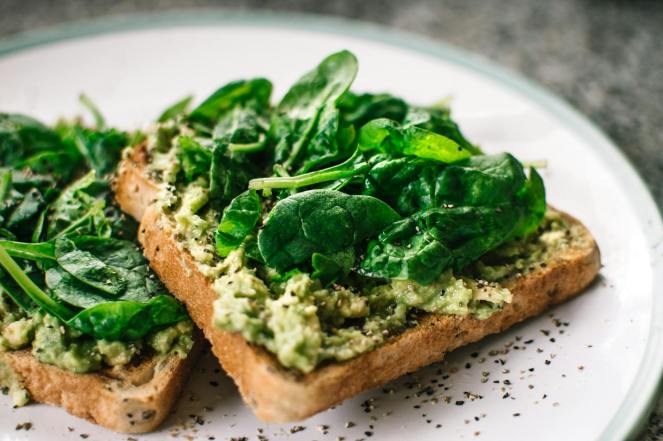
Photo by Pavel Danilyuk on Pexels.com
Uncategorized

Brain Fog Is Your Body’s Fire Alarm: Time to Switch to an Anti-Inflammatory Diet

If you’re constantly tired, mentally foggy, or struggling to focus — you’re not just “off.”
You’re getting a desperate signal from your body: something’s inflamed, and it’s affecting your brain.

That fuzzy-headed feeling?
It’s not normal.
It’s not just stress.
It’s a fire alarm going off in your nervous system — and it’s telling you to change what you’re feeding your body and brain.

What Is Brain Fog, Really?

Brain fog is not a diagnosis — it’s a symptom of something deeper going wrong: inflammation, poor blood flow, gut issues, hormone imbalances, or blood sugar crashes.

For women with lipedema, this can be especially intense. New research shows that women with lipedema have increased cerebral blood flow — particularly in brain regions that process pain, emotion, and nervous system regulation. That might sound like a good thing, but it’s not always.

Too much blood flow can mean overactivation, chronic overstimulation, and mental burnout — all contributing to fog, fatigue, and anxiety.

If your brain is inflamed, foggy, or always “tired,” it’s not a character flaw.
It’s your body saying:

“Please help me. I’m inflamed, overwhelmed, and running low on clean fuel.”

Why an Anti-Inflammatory Diet Clears the Fog

Inflammation doesn’t just affect your joints or your skin — it affects your neurons, neurotransmitters, and mental clarity.
An anti-inflammatory diet — especially a plant-based one — helps by:

  • Feeding your gut microbiome, which supports brain health
  • Reducing oxidative stress, which protects your brain cells
  • Regulating blood sugar, avoiding energy crashes
  • Supporting better circulation, including cerebral blood flow

The Anti-Inflammatory Foods Women Should Be Eating Daily

Here are powerhouse plant foods you should include every day to reduce inflammation, support your brain, and help your body reset:

Leafy Greens

Spinach, kale, Swiss chard — high in folate, magnesium, and antioxidants that reduce brain inflammation.

Berries

Blueberries, strawberries, blackberries — rich in flavonoids that protect brain function and improve memory.

Chia Seeds & Flaxseeds

Excellent sources of plant-based omega-3s (ALA) — key for reducing inflammation and supporting brain cell structure.

Turmeric + Black Pepper

Turmeric contains curcumin, a potent anti-inflammatory. Pair with black pepper to increase absorption.

Broccoli & Cauliflower

Cruciferous veggies fight inflammation and support liver detox — which impacts brain clarity.

Avocados

Healthy fats that stabilize blood sugar and improve focus and memory.

Walnuts

Brain-shaped for a reason — they contain ALA, antioxidants, and polyphenols that boost cognitive function.

Green Tea or Matcha

Contains L-theanine, which calms the brain while promoting focus.

Beets

Support blood flow and oxygenation to the brain — especially helpful for women with circulation issues like lipedema.

Legumes (Lentils, Chickpeas, Black Beans)

Full of iron, magnesium, and slow-burning carbs to fuel your brain steadily.

Don’t Ignore the Signal

If you’re a woman dealing with lipedema, chronic fatigue, or daily mental fog, your brain is not broken — it’s inflamed.
And you can begin to shift it with daily food choices, not just supplements or stimulants.

Switching to a plant-based, anti-inflammatory diet won’t solve everything overnight, but it removes the gasoline from the fire. It lets your brain start to breathe again.

Start Here:

  • Swap out inflammatory triggers (dairy, red meat, refined sugar, ultra-processed foods).
  • Add at least 5 of the above anti-inflammatory foods daily.
  • Track how your brain feels — not just how your weight changes.

Brain fog is your fire alarm. Plant foods are the extinguisher.
If you’re ready to turn the fog into clarity, start with what’s on your plate.

Photo by Photo By: Kaboompics.com on Pexels.com
Uncategorized

Is Keto Making Your Lipedema Worse?

In recent years, the keto diet has swept through the lipedema community like wildfire. Promising rapid weight loss and reduced inflammation, it’s no wonder so many women with lipedema turn to this high-fat, low-carb way of eating in hopes of relief. But here’s the hard truth:

The keto diet may be doing more harm than good for women with lipedema.

Why the Keto Diet Appeals to the Lipedema Community

Lipedema, a painful fat disorder affecting mostly women, is notoriously resistant to diet and exercise. Frustration is common, and the promise of fat-burning ketosis feels like a lifeline.

Keto’s appeal lies in:

  • Rapid water weight loss (which feels encouraging but isn’t true fat loss)
  • Claims of reduced inflammation
  • A “legal” way to eat calorie-dense comfort foods like cheese, butter, bacon, and steak

Social media is filled with women touting their keto success stories. But what you don’t always see are the long-term setbacks that many experience—like increased joint pain, stalled weight loss, hormonal issues, and worsening symptoms.

The Hidden Dangers of Keto for Lipedema

1. Animal Products Promotes Inflammation

The keto diet relies heavily on meat, dairy, and eggs—foods that are linked to systemic inflammation. For women with lipedema, whose tissue is already inflamed and fibrotic, that’s a huge red flag.

  • Saturated fat, abundant in animal products, can impair lymphatic function and increase inflammatory markers.
    Source: Harvard T.H. Chan School of Public Health
  • Dairy, particularly cheese, has been shown to raise insulin-like growth factor 1 (IGF-1), which promotes fat cell growth.
    Source: Allen NE, et al. Journal of the National Cancer Institute, 2002.
  • Red meat and processed meats are also linked to increased estrogen activity and oxidative stress, both problematic for lipedema.
    Source: Turner ND, Lloyd SK. Nutrition Research, 2017.

2. Lipedema is a Lymphatic and Hormonal Condition

Keto doesn’t address the underlying causes of lipedema: lymphatic dysfunction, hormonal imbalances, and connective tissue disorders. It focuses solely on weight loss—and often at the expense of long-term metabolic and hormonal health.

For example:

  • Keto can dysregulate thyroid hormones in women, worsening fatigue and metabolic slowdown.
    Source: McAninch EA, et al. Frontiers in Endocrinology, 2019.
  • Estrogen dominance, common in lipedema, is exacerbated by high saturated fat intake, which impairs estrogen detoxification through the liver and gut.

3. High-Fat Diets Can Worsen Gut Health

The gut microbiome is crucial for regulating inflammation and estrogen. Keto, especially when fiber is low, starves beneficial gut bacteria, reduces diversity, and increases gut permeability (“leaky gut”)—a driver of chronic inflammation.
Source: Singh RK, et al. Journal of Translational Medicine, 2017.

A Healthier Alternative: The Anti-Inflammatory Vegan Diet

Switching to a plant-based, anti-inflammatory vegan diet can radically shift how you manage lipedema. This approach is:

  • High in fiber, which supports detoxification and estrogen balance
  • Rich in antioxidants, which help break down fibrotic tissue
  • Low in saturated fat, reducing inflammation and improving lymph flow
  • Naturally alkalizing, supporting healthy connective tissue and reduced edema

Plant foods like berries, leafy greens, cruciferous veggies, flaxseeds, beans, and legumes are nutritional powerhouses for women with lipedema. They support:

  • Hormone detox (especially when paired with cruciferous veggies and flax)
  • Collagen repair and lymphatic flow
  • Stable blood sugar without the inflammatory toll of animal products

Women who’ve made the switch to a whole-food vegan diet often report better energy, improved skin tone, less puffiness, and even measurable reduction in limb size over time.

You Deserve a Better Path

The keto diet isn’t evil—but it’s not your solution if you’re managing lipedema long-term. Instead of chasing the next trendy protocol, it’s time to align your diet with your biology.

✅ Anti-inflammatory
✅ Estrogen-balancing
✅ Lymph-friendly
✅ Fiber-rich and deeply nourishing


Ready to Try the Lipedema Vegan Protocol?

If you’re curious about transitioning to a plant-based diet that supports your lipedema healing, check out my free resources and meal planning guides at LipedemaVegan.com.

Let’s stop fighting fat with fads and start healing with food.

Uncategorized

The Carnivore Diet is Bullshit

Why Eating Only Meat Is Not the Answer to America’s Health Crisis

America has a problem—a meat-sized problem. Chronic diseases like heart disease, cancer, obesity, and type 2 diabetes are the top preventable causes of death in the United States. And what do they have in common? Diet.

So why, in the middle of a public health crisis, are people turning to the carnivore diet—a regimen that eliminates every plant food on Earth and doubles down on red meat, eggs, and butter?

Let’s be clear: the carnivore diet is not just restrictive—it’s dangerously myopic. And despite the hype on podcasts and TikTok, peer-reviewed science says it’s bullshit when it comes to long-term health.


🧠 The Logic of Disease Prevention

If we’re going to talk about diet, we need to talk about what kills people in the U.S.:

  • Heart disease: #1 cause of death
  • Cancer: #2 cause of death
  • Stroke & diabetes: Top contributors to disability and death
  • Obesity & inflammation: Drivers of all of the above

Any diet that claims to be “optimal” should reduce your risk of those diseases. So, let’s compare the carnivore diet to a vegan diet—one backed by decades of research—for the four biggest pillars of health: weight, cancer, heart disease, and inflammation.


⚖️ 1. Weight Loss

Carnivore diet:

  • Some people report weight loss, but no clinical trials confirm this.
  • A Harvard study (2021) surveyed 2,000 self-selected carnivore dieters, and while many reported weight loss, the data was self-reported and biased.
  • No fiber, no carbs, no nuance. Just meat and discipline.

Vegan diet:

  • Randomized trials show that whole-food, plant-based diets lead to sustained weight loss without calorie counting.
  • High fiber and low-calorie density foods increase satiety and decrease total intake naturally.
    📚 Source: Obesity Medicine Association, 2022

✅ Verdict: Vegan diets win—with real data, not anecdotes.


🧬 2. Cancer Prevention

Carnivore diet:

  • The WHO classifies processed meat as carcinogenic and red meat as probably carcinogenic, especially in relation to colorectal cancer.
  • No fruits, vegetables, or phytochemicals = no protective compounds.

Vegan diet:

  • Rich in antioxidants, fiber, and anti-cancer compounds like flavonoids and polyphenols.
  • Meta-analyses show reduced risk of multiple cancers among vegetarians and vegans.
    📚 Source: PubMed – PMC35334103

✅ Verdict: Plants fight cancer. Meat increases risk.


❤️ 3. Heart Health

Carnivore diet:

  • Extremely high in saturated fat and cholesterol.
  • Elevates LDL cholesterol—a well-established risk factor for atherosclerosis and heart disease.
    📚 Source: Journal of the American College of Cardiology

Vegan diet:

  • Lowers LDL cholesterol, blood pressure, and inflammatory markers.
  • In a study of identical twins, those on a vegan diet had significantly better heart health than their omnivorous siblings after just 8 weeks.
    📚 Source: Stanford School of Medicine, 2023

✅ Verdict: Vegan diets protect the heart. Carnivore diets endanger it.


🔥 4. Inflammation (a Root Cause of Lipedema)

Carnivore diet:

  • Claims of “reduced inflammation” are anecdotal and unsupported by peer-reviewed research.
  • Lacks fiber, which supports gut microbiota—essential for regulating inflammation.
    📚 Source: WebMD & Harvard Health

Vegan diet:

  • Associated with lower C-reactive protein (CRP), a marker of systemic inflammation.
  • Polyphenol-rich foods (berries, greens, turmeric) fight inflammation at the cellular level.
    📚 Source: PMC7730154

✅ Verdict: Fiber and phytonutrients are anti-inflammatory. Meat alone is not.


🧂 What About the “Success Stories”?

Yes, some people feel better on the carnivore diet—often because they cut out ultra-processed junk, sugar, and foods they didn’t realize were triggering issues. But eliminating every plant food to get there? That’s like burning down your house because of a spider.

There are healthier, evidence-based ways to reduce inflammation, lose weight, and improve autoimmune symptoms. A well-structured vegan or Mediterranean diet does that—without risking colon cancer or clogging your arteries.


🌀 Hormonal Havoc: Why the Carnivore Diet Can Backfire for Women

Emerging evidence and clinical observations also raise concerns about the impact of the carnivore diet on women’s hormonal balance and mental health. Extremely low-carbohydrate, high-protein diets can increase cortisol, the body’s primary stress hormone, particularly in women—leading to disruptions in menstrual cycles, sleep, and emotional regulation. Carbohydrates play a key role in serotonin production, and their absence may contribute to anxiety, depression, and mood instability over time. Some women report amenorrhea (loss of periods), fatigue, or increased irritability on carnivore diets, all of which signal that the body is under stress—not thriving. Long-term restriction of plant foods also eliminates critical phytoestrogens and nutrients like magnesium, folate, and B6 that support hormonal health. For women especially, the carnivore diet may offer short-term control but at the cost of long-term hormonal chaos.

🧠 Final Thoughts: The Carnivore Diet Is a Dead End

The carnivore diet is the ultimate nutritional echo chamber: short-term relief with long-term risk, sold to you by influencers with no scientific backing.

If your goal is to live longer, avoid disease, and thrive—not just survive—then meat-only madness is not the way.

Want a real solution?
Focus on fiber. Eat a rainbow. Don’t take nutrition advice from people who think vegetables are dangerous.

Uncategorized

Cellulite Treatments That Are Not Safe for Lipedema

1. Fascia Blasting / Deep Tissue Fascia Tools

These handheld devices aggressively “scrape” the skin in hopes of breaking up fascia and cellulite.

Why it’s harmful for lipedema:

  • Lipedema tissue is not regular fat—it’s highly vascularized, sensitive, and prone to bruising.
  • Aggressive fascia manipulation can damage delicate lymph vessels and capillaries.
  • Bruising can actually increase fibrosis (hardening of tissue), which worsens lipedema symptoms.

2. High-Pressure Vacuum or Cupping Devices

Some cellulite treatments use intense suction to try and mobilize fat or increase circulation.

Why it’s harmful for lipedema:

  • Strong suction can overstimulate lymphatic tissue and create inflammation.
  • Many women with lipedema report increased pain, swelling, or bruising after using these.

3. Radiofrequency and Cavitation Devices

Often found at med spas, these heat-based or ultrasound-based treatments claim to “melt” fat cells.

Why it’s harmful for lipedema:

  • There’s no proven benefit for lipedema fat (which is fibrotic and resistant).
  • Heat and vibration can trigger inflammation, fluid retention, or nerve irritation in sensitive individuals.

4. Liposuction (Standard Cosmetic Types)

While liposuction is sometimes used as a treatment for lipedema, cosmetic liposuction techniques used for cellulite are typically too aggressive and do not address lymphatic safety.

Why it’s harmful for lipedema:

  • Cosmetic liposuction can damage the lymphatic system if not performed by a trained lipedema surgeon.
  • Inappropriate technique can worsen fibrosis and increase post-op complications.

✅ Gentle Alternatives That Support Lipedema Healing

1. Manual Lymphatic Drainage (MLD)

A specialized massage technique that stimulates lymph flow using light, rhythmic movements.

Why it’s helpful:

  • Reduces swelling and heaviness
  • Supports detox pathways
  • Gentle enough for sensitive lipedema tissue

💡 Look for therapists trained in lipedema-specific MLD techniques.


2. Vibration Plate Therapy (Low-Intensity)

Standing on a low-frequency vibration plate for a few minutes a day can stimulate circulation and lymphatic flow.

Why it’s helpful:

  • Promotes drainage without manual effort
  • May help soften fibrotic areas over time
  • Easy to use at home

✅ Choose a plate with gentle, side-to-side motion (pivotal, not vertical). Start with 1-2 minutes and build up slowly.


3. Gentle Foam Rolling & Fascia Work

Using a soft roller or gua sha tool with oil can gently stimulate fascia and lymph flow—without bruising.

Why it’s helpful:

  • Helps reduce tissue tightness
  • Encourages movement of stagnant lymph
  • Can be done daily as a self-care ritual

💡 Never roll directly over painful nodules or apply pressure that causes discomfort or bruising.


4. Compression Garments

Medical-grade compression can help manage swelling and support the body’s natural drainage.

Why it’s helpful:

  • Reduces daily fluid buildup
  • Minimizes pain and heaviness
  • May slow lipedema progression

✅ Get professionally fitted and wear during the day for best results.


5. Anti-Inflammatory Vegan Diet

What you eat does affect your lymphatic system. A clean, plant-based diet rich in fiber, omega-3s, and antioxidants can reduce inflammation and help manage symptoms.

Why it’s helpful:

  • Supports detox organs (liver, kidneys, lymph)
  • Can lead to modest fat loss in non-lipedema areas
  • Reduces systemic inflammation and flare-ups

🥦 Focus on whole plant foods, low salt, and high hydration—especially during hormonal changes.


In Conclusion

Cellulite treatments are often marketed to all women, but women with lipedema need to be especially cautious. The tissue affected by lipedema is structurally and functionally different from typical fat, and the wrong treatment can cause long-term harm.

The good news? With gentle lymphatic support, anti-inflammatory habits, and an understanding of your body, you can reduce discomfort, slow progression, and feel more empowered in your healing journey.


💬 Have you tried any of these treatments—good or bad? Drop a comment or DM me! I’d love to hear your experience and support you on your lipedema journey. Just ask!

Here’s a link to a free, downloadable and printable “Lipedema-Safe Therapies” worksheet resource that will allow you to try and track these helpful therapies and remind you which therapies to avoid! Download now!

Uncategorized

Self-Diagnosis and Symptoms of Lipedema: How to Tell If You Might Have It

If you’ve ever wondered why your legs seem disproportionately large compared to the rest of your body—or why dieting and exercise don’t seem to shrink stubborn fat in your lower half—you might be looking at something more than just weight gain or cellulite. Lipedema is a chronic fat disorder that affects millions of women, but it often goes undiagnosed or is mistaken for obesity. While only a trained specialist can make an official diagnosis, this article will walk you through key symptoms and self-checks to help you with self-diagnosis and better advocate for yourself.


What Is Lipedema?

Lipedema (pronounced LIP-uh-dee-muh) is a disorder of fat distribution that primarily affects women. It causes the abnormal accumulation of painful fat, usually in the legs, hips, buttocks, and sometimes arms—sparing the hands and feet. This condition is progressive and resistant to traditional weight loss methods.


The Most Common Signs and Symptoms

Here’s what to look for when doing a self-diagnosis check:

  • Disproportionate lower body fat: Fat often builds up symmetrically on both legs or arms, even if your upper body remains lean.
  • Column-like or “tree trunk” legs: The legs may appear thick and uniform in size from thighs to ankles, often ending abruptly at the ankles or wrists.
  • Cuffing at the ankles or wrists: There’s usually a sharp demarcation where fat ends and normal tissue begins.
  • Tenderness or easy bruising: The affected areas are often painful to the touch and bruise more easily than normal.
  • Swelling that worsens throughout the day: While fat is the primary issue, swelling (especially from standing or heat) is common and may reduce overnight.
  • Negative Stemmer’s Sign: You can pinch the skin at the base of the toes or fingers—if you can lift the skin, that’s a negative result and points toward lipedema rather than lymphedema.

The “Float Test” – Lipedema Fat Is Buoyant

One interesting self-test is to check for buoyancy. Women with lipedema often find that their legs float more easily in water. This is because lipedema fat has a higher fluid and connective tissue content. Try relaxing in a bathtub or pool and notice if your legs tend to float more than expected.


Palpation Test: Check the Cubital Area

Another helpful self-check is palpation of the cubital area, which is the inside crease of your elbow. Gently press this area with your fingers. Women with lipedema may feel small nodules, lumps, or even discomfort. Similar nodules might be found in the thighs or upper arms.


Understanding the Stages of Lipedema

Lipedema progresses through four distinct stages:

  • Stage 1: Smooth skin surface with soft, evenly distributed fat. Swelling comes and goes.
  • Stage 2: Uneven skin with indentations or “mattress-like” texture. Fat becomes harder and more nodular.
  • Stage 3: Large fat lobes form, particularly around the knees or thighs. Mobility may start to decline.
  • Stage 4 (Lipo-lymphedema): Advanced fat accumulation with concurrent lymphedema. This stage includes significant swelling, hardening of tissue, and more functional limitations.

When Does Lipedema Get Worse?

Lipedema tends to worsen during times of hormonal change, including:

  • Puberty
  • Pregnancy
  • Perimenopause and menopause
  • Starting or stopping hormonal birth control

If you noticed sudden changes in your body shape during these times, particularly in your lower half, it might be worth looking into.


How to Tell Lipedema Apart from Cellulite or Obesity

While cellulite and general weight gain affect many women, lipedema is distinct in these ways:

FeatureLipedemaCelluliteObesity
Symmetrical fat accumulationSometimes
Pain or tendernessSometimes
Swelling throughout daySometimes
Hands/feet unaffected
Bruising easily
Responds to diet/exercise

What to Do If You Suspect Lipedema

If you’ve done a self-diagnosis and recognize these symptoms, the next step is to seek out a specialist, preferably one familiar with lymphatic disorders or who has experience diagnosing and treating lipedema. Many general practitioners are unfamiliar with this condition and may misdiagnose it as simple obesity.

You might want to bring documentation, pictures of your body changes over time, and a symptom diary to your appointment to help make your case.


Final Thoughts

Learning about lipedema can be both enlightening and emotional—especially if you’ve struggled with body image, dieting, or unexplained pain for years. While a formal diagnosis is essential, becoming educated and self-aware can be the first empowering step toward healing and advocacy.

If you suspect you might have lipedema, you’re not alone. Keep learning, seek out community, and most importantly, don’t give up on finding answers.

Source: https://torontophysiotherapy.ca/patient-guide-to-self-diagnosing-lipedema-and-lipo-lymphedema/

Uncategorized

Why I Chose Calorie Tapering for Lipedema Weight Loss & Hormonal Health

One of the most frustrating parts of weight loss — especially with lipedema — is how easily progress stalls. You can eat clean, cut calories, and move your body, yet the scale barely budges. I’ve been there.

That’s why, after years of research and personal experimentation, I built a calorie tapering strategy into my LipedemaVegan 180-Day Protocol — and in addition to carbohydrate tapering and the unique supplements I take, it’s been a game-changer.

Here’s exactly how it works, why I chose this method, and how it helps prevent weight loss plateaus without wrecking your hormones.


🔄 What Is Calorie Tapering?

Calorie tapering is a structured way to gradually reduce calorie intake across the week, rather than cutting calories evenly every day.

Here’s how I do it:

DayCalories
Saturday2300
Sunday1500
Monday1400
Tuesday1300
Wednesday1200
Thursday1100
Friday0 (Full fast)

Total weekly intake: 8800 calories

This creates a weekly deficit of ~7,000 calories, which equals about 2 pounds of fat loss per week — without daily restriction or metabolic burnout.


💡 Why I Structured It This Way

1. High Calorie Day to Reboot Leptin and Preserve Muscle

Saturday’s 2300-calorie day gives my body a break and prevents the drop in leptin and thyroid hormones that often happen with prolonged calorie restriction. This helps:

  • Preserve lean muscle mass
  • Boost fat-burning hormones
  • Reduce binge risk or cravings later in the week

2. Gradual Reduction to Ease Into Fasting

Instead of jumping straight from eating to fasting, I gently reduce intake day by day. This:

  • Eases hunger and blood sugar crashes
  • Supports stable energy and mood
  • Mimics ancestral eating rhythms

3. Friday Fast for Autophagy + Fat Burn

Friday is a 39-hour water fast (Thursday dinner to Saturday breakfast), which:

  • Accelerates autophagy (cellular cleanup)
  • Mobilizes stubborn fibrotic lipedema fat
  • Gives the digestive system a rest

🔺 Why This Works Better Than Daily Restriction

If you eat 1250 calories every day, your body adapts quickly — slowing metabolism, reducing thyroid output, and increasing hunger hormones. That’s why many women hit a wall after a few weeks of dieting.

But by cycling calories and including both high and ultra-low intake days, this plan:

  • Keeps the body guessing
  • Prevents metabolic adaptation
  • Encourages sustained, steady fat loss

💖 Supporting a Healthy Menstrual Cycle

Many women worry that fasting or calorie restriction will disrupt their cycles — and that’s a valid concern. I’ve experienced disruption to my otherwise very normal and regular menstrual cycles when I cut calories in the past. But on this unique caloric tapering plan, my cycles have no been negatively impacted!

The key is strategic nourishment, especially during the follicular phase (right after your period) and the luteal phase (before your period). Here’s how my tapering plan helps:

  • Saturday’s refeed restores leptin and carbs, which support healthy ovulation and progesterone production.
  • Mid-week intake is enough to provide micronutrients, B vitamins, and fatty acids needed for hormone synthesis.
  • Full-day fasting is buffered by days of adequate intake — so it doesn’t shock the system or signal famine.

For me, this approach has helped regulate my cycle, reduce PMS, and avoid hormonal crashes that came with harsher diets.


📉 The Math: 7,000 Calorie Deficit = 2 Pounds Lost

Here’s the breakdown:

  • Maintenance level (for me): ~2300 calories/day = 16,100/week
  • Protocol intake: ~8800 calories/week
  • Deficit: 16,100 – 8,800 = 7,300 calories
  • Fat loss: 1 pound of fat = ~3,500 calories
  • Expected weight loss: ~2 lbs/week

And because it’s not a daily grind, it’s surprisingly sustainable.


🧠 Mindset Bonus: You Always Have Something to Look Forward To

  • Hardest day? Thursday — but you know a high-calorie Saturday is coming.
  • Rough weekend? No worries — you’ll recalibrate with gentle tapering.
  • Feeling good mid-week? You’re prepping for a fasting breakthrough.

It creates a rhythmic flow that works with your body, not against it.


Would You Try It?

If you’re dealing with lipedema, slow fat loss, hormone imbalance, or cycle disruption — this might be the structure you’ve been missing.

Uncategorized

4 Weeks on the LipedemaVegan Protocol: InBody Scan Results & Analysis

Over the past month, I’ve been fully committed to my 180-Day LipedemaVegan Protocol — a structured anti-inflammatory plan combining strategic fasting, plant-based nutrition, proteolytic enzymes, and targeted supplementation to reduce lipedema fat, inflammation, and overall weight.

To track my progress beyond the scale, I’ve been using InBody 770 scans every 4 weeks (in sync with my 28 day natural menstrual cycles). These scans go deeper than just weight — they break down water retention, fat mass, muscle mass, and more.

Due to the fact that my plan involves caloric and carbohydrate tapering and once a week full day of fasting on Friday (typically 39 hours of fasting between Thursday’s dinner and Saturday’s breakfast), I have quite a bit of fluctuations on my daily weigh-in chart. But the overall rate is 2.2 pounds per week!

Here’s what happened over 4 weeks:


🔍 Key Changes: February 24 to March 24

CategoryFeb 24Mar 24Change
Weight237.3 lbs228.5 lbs⬇ 8.8 lbs (2.2 pounds per week on average!)
Body Fat Mass120.2 lbs114.5 lbs⬇ 5.7 lbs
Skeletal Muscle Mass64.4 lbs62.4 lbs⬇ 2.0 lbs
Body Fat %50.6%50.1%⬇ 0.5%
Visceral Fat Area254.5 cm²246.5 cm²⬇ 8 cm²
Dry Lean Mass31.3 lbs30.2 lbs⬇ 1.1 lbs
Intracellular Water52.7 lbs51.4 lbs⬇ 1.3 lbs
Extracellular Water33.1 lbs32.4 lbs⬇ 0.7 lbs

💡 What These Numbers Mean

1. Nearly 9 Pounds Down in 4 Weeks

This is a strong, healthy rate of fat loss — especially considering my protocol prioritizes sustainable fat loss and lymphatic support for lipedema. Most notably, over 5.5 lbs of the loss came directly from fat.

🧠 2. Muscle Loss or… Something Else?

The InBody scan registered a 2-pound drop in skeletal muscle mass. At first glance, that might seem concerning — but here’s why I believe it’s not a true loss of muscle, and actually a sign that the protocol is working:

💪 My muscle-preserving strategies:

  • 100g+ of plant-based protein per day (same as before I started)
  • No reduction in physical activity or movement
  • Strategic intake of resistant starches and leucine-rich protein sources
  • Balanced calorie tapering (not crash dieting)

Given this, my body should be retaining most of its lean mass — and typically, someone losing 9 lbs in a month under these conditions would lose only ~1–1.5 lbs of muscle at most.

My hypothesis:

The extra 0.5–1 lb “muscle loss” reported is likely dense, fibrotic tissue breaking down — a hallmark of lipedema fat that often registers closer to lean mass in body scans.

In other words: I’m not just losing fat. I’m dismantling fibrosis.

💧 3. Improved Water Balance

Both intracellular and extracellular water dropped slightly, aligning with reduced inflammation and potential lymphatic flow improvement. ECW/TBW ratios remained stable — no signs of dehydration.

🔥 4. Visceral Fat Reduction

My visceral fat area shrank by 8 cm². This type of deep belly fat fuels systemic inflammation, so this is a powerful sign of internal healing.

🧍‍♀️ 5. Fat Loss in Arms, Trunk, Legs

  • Right arm: ⬇ 1.3 lbs
  • Left arm: ⬇ 1.1 lbs
  • Trunk: ⬇ 2.6 lbs
  • Legs: ⬇ 1.2 lbs (combined)

This shows that even areas notoriously resistant to change in lipedema are responding.


🌿 What I’ll Do Next

  • Stick with my current protocol — it’s clearly working
  • Focus on hydration and Vitamin C intake
  • Continue enzymes + anti-fibrotic support (curcumin, resveratrol, lymphatic herbs)

📉 In Summary

After 4 weeks:

  • I lost 8.8 lbs, mostly fat
  • My body fat % dropped
  • My visceral fat and inflammation are improving
  • My protocol may be breaking down fibrosis, not just fat

This journey isn’t just about the number on the scale — it’s about healing at a deeper level. If you’re on a similar path with lipedema, know this: progress might be slow or subtle, but with the right tools, it’s not only possible — it’s measurable.

Uncategorized

My 1-Month Vegan Lipedema Weight Loss Update!

Hey everyone, and welcome back to my channel! I wanted to give a one-month update on my 180-Day Lipedema Vegan Protocol. The results so far have been super encouraging. In just 26 days, I’ve lost 13 pounds. And no, I’m not following a keto diet—I actually just ate some vegan frozen pizza, so definitely far from it.

I have a moderate-carb lunch every day and a low-carb dinner to encourage autophagy overnight. It’s working great for me because I’m a busy toddler mom who’s also self-employed with my own family business.

On Monday, I’ll be doing my second InBody scan, and I’m super excited to see the results. I check in with the scale every day, but it’ll be interesting to see which arms, legs, or areas of the body the weight has been removed from—and that’s what you get with the InBody scan. I’m doing them every 28 days because that’s the length of my menstrual cycle. By doing it on the same day of the cycle every month, it’ll accommodate for menstrual-related water retention, etc.

In addition to monitoring my weight loss every day and over the course of this 180-day protocol, I’ve also been feeling the fat tissues on my body to notice changes in them. When lipedema is first diagnosed, one of the areas that you can check is the cubital region, which is right above the elbow. When you palpate that fat, women with lipedema tend to have this granular, nodular, fibrotic feeling to the fat that exists in that region of the body. It’s also in your legs and other parts of the body that are affected by lipedema, but it’s easier to feel right above the elbow.

When I started, it felt kind of like a bag of rice—like feeling through the very thin, soft skin there and noticing all these granular pieces of proteins and fibrotic tissues developed within the fat. That area has softened tremendously, so that’s how I know my protocol is working. I’ve also noticed the same effect in my lower abdomen and my legs, but it’s really noticeable in the arms.

I’m super excited to see what five more months of this protocol will do. As I’ve mentioned in the past, this protocol is not just about diet or just about supplements—it’s also about therapies that I’m using, including manual lymphatic drainage. I had always heard it was good for you, but I didn’t know how to do it, so I taught myself.

I’m also using red light therapy. This is new technology, and I bought a full-body size mat that I lay on—on my stomach, face down for 10 minutes, and then I flip over and lay on my backside for 10 minutes—so it’s full-body coverage. I do that completely nude for full skin exposure. The mat I have has five power levels. I started on power level one at the start of this month, which is 50 watts. Every red light therapy machine has different settings, so feel free to ask in the comments if you want more details.

I just bumped it up to level two, which is 90 watts. I’m happy to link to the specific mat that I’m using. I do it right before bed, and I already really feel a difference after moving it up to level two. You increase gradually because you want your body to adjust to the red light exposure.

The main reason I’m using red light therapy is because it helps with lymphatic circulation. I also hope to lose 50+ pounds, and I believe the red light therapy will help tighten the skin. Red light increases circulation at the skin level, and with the supplement protocol that I am on, the red light is bringing my blood to the surface of the skin. It is anti-inflammatory, helping with circulation and microcirculation at the skin level, which I believe helps break down extra skin laxity as I lose weight.

Aside from weight loss on the scale and the palpable changes I’m feeling by examining the texture of the fat on my body, I’m also noticing that all my clothes fit way better. I feel way more comfortable in my skin, and I just can’t wait for continued results.

The diet plan I’m on is keeping my blood sugar really stable. I have no brain fog, and I have tons of energy. Again, I’m a toddler mom and self-employed with a first-generation farm business that keeps us really, really busy. Yet I’m able to follow this protocol and get all the tasks done that I need to for my day, my baby, and my family.

The main reason I designed some of the supplements to be included in this 180-day protocol was for hunger regulation. I consider myself a very hungry person—a volume eater, a big eater. The supplements I’m taking are helping keep my hunger levels down, which is key to sticking to a plan like this long-term. I think that’s why I’m seeing the results that I am.

In a few days, I’ll be posting my InBody scan results. I can’t wait to see where the weight loss is happening in my body and what other changes are occurring. So follow me on all the socials at @LipedemaVegan, check out my website LipedemaVegan.com, and subscribe to this YouTube channel.

The next video coming will be all about that InBody scan and the results that I’m getting after one month.

Uncategorized

50 Meal Ideas for Women with Lipedema Switching to an Anti-Inflammatory Vegan Diet

If you’re a woman with lipedema making the transition to a vegan, anti-inflammatory diet, you might be wondering: What can I eat?

Lipedema is a chronic condition that causes fat accumulation, pain, and inflammation, particularly in the lower body. While there’s no cure, following an anti-inflammatory diet can help reduce symptoms, promote weight management, and support lymphatic health.

A vegan anti-inflammatory diet focuses on:
Whole, unprocessed foods (fruits, vegetables, legumes, whole grains, nuts, and seeds)
Omega-3-rich foods (flaxseeds, chia seeds, walnuts, and algae-based omega-3 supplements)
Antioxidant-rich foods (berries, leafy greens, cruciferous vegetables, turmeric, ginger)
Low-inflammatory protein sources (tofu, tempeh, lentils, beans, hemp seeds, pea protein)
Gut-friendly foods (fermented foods, prebiotic-rich fiber)
Balanced meals that support stable blood sugar and lymphatic function

A lipedema-friendly vegan diet should:
✅ Include familiar, easy-to-find foods
✅ Focus on protein, healthy fats, and fiber
✅ Be low in refined sugars & processed foods
✅ Reduce inflammatory foods like dairy and meat

Here are 50 meal ideas with simple ingredients you can find at any grocery store!


🌞 Breakfast Ideas (10)

  1. Peanut Butter Banana Toast – Whole grain toast with peanut butter and banana slices.
  2. Berry Protein Smoothie – Frozen strawberries, plant protein powder, flaxseeds, and almond milk.
  3. Vegan Pancakes – Made with oat flour or whole wheat flour, topped with maple syrup.
  4. Avocado Toast – Mashed avocado on toast with hemp seeds and red pepper flakes.
  5. Cinnamon Oatmeal with Walnuts – Old-fashioned oats with cinnamon, maple syrup, and walnuts.
  6. Tofu & Hash Brown Scramble – Crumbled tofu cooked with breakfast potatoes and bell peppers.
  7. Almond Butter & Apple Slices – Sweet and crunchy morning snack.
  8. Breakfast Burrito with Beyond Sausage – Scrambled tofu, avocado, and dairy-free cheese in a tortilla.
  9. Vegan Yogurt with Granola & Berries – Coconut or almond yogurt with granola and blueberries.
  10. Protein-Packed Overnight Oats – Oats soaked overnight with almond milk, chia seeds, and cocoa powder.

🥗 Lunch Ideas (10)

  1. Vegan Grilled Cheese & Tomato Soup – Made with dairy-free cheese and whole wheat bread.
  2. Chickpea Salad Sandwich – Mashed chickpeas mixed with vegan mayo, celery, and mustard on whole wheat bread.
  3. Vegan Mac & Cheese – Made with cashew cheese sauce or dairy-free cheddar.
  4. Spaghetti with Meatless Marinara – Whole wheat pasta with plant-based ground beef and marinara sauce.
  5. BBQ Jackfruit Sandwich – Pulled jackfruit in BBQ sauce on a whole wheat bun with coleslaw.
  6. Vegan BLT – Whole wheat toast with tempeh bacon, lettuce, and tomato.
  7. Loaded Baked Potato – Topped with dairy-free sour cream, chives, and black beans.
  8. Lentil Sloppy Joes – Lentils cooked in a smoky tomato sauce on a bun.
  9. Vegan Quesadilla – Whole wheat tortilla with dairy-free cheese, black beans, and avocado.
  10. Beyond Burger with Sweet Potato Fries – A classic American meal, made healthier.

🍽️ Dinner Ideas (10)

  1. Vegan Tacos – Made with lentil taco filling, dairy-free sour cream, and guacamole.
  2. Plant-Based Meatloaf & Mashed Potatoes – Made with lentils or Beyond Meat.
  3. BBQ Tofu with Corn on the Cob – A classic backyard meal made vegan.
  4. Buffalo Cauliflower Wings & Fries – Baked cauliflower bites with buffalo sauce.
  5. Vegan Chili with Cornbread – Lentils, black beans, and tomatoes with homemade cornbread.
  6. Stuffed Bell Peppers – Peppers filled with brown rice, black beans, and salsa.
  7. Dairy-Free Alfredo Pasta – Made with cashew sauce and whole wheat pasta.
  8. Vegan Pizza Night – Use a whole wheat crust, tomato sauce, veggies, and dairy-free cheese.
  9. Baked Ziti with Cashew Ricotta – Comfort food made plant-based.
  10. Shepherd’s Pie with Lentils & Mashed Potatoes – A hearty and filling dinner.

🥑 Snack Ideas (10)

  1. Popcorn with Nutritional Yeast – Savory, cheesy flavor without the dairy.
  2. Hummus & Whole Wheat Crackers – Easy and protein-packed.
  3. Dark Chocolate with Almond Butter – A satisfying sweet snack.
  4. Homemade Trail Mix – Nuts, seeds, and dried fruit.
  5. Celery & Peanut Butter – Crunchy and satisfying.
  6. Roasted Chickpeas – A crunchy, high-protein snack.
  7. Apple Chips – Naturally sweet and fiber-rich.
  8. Graham Crackers with Almond Butter – A childhood favorite with a healthy twist.
  9. Coconut Yogurt & Granola – Simple and gut-friendly.
  10. Vegan Cheese & Crackers – A familiar, satisfying snack.

🥤 Drinks & Smoothies (10)

  1. Chocolate Protein Shake – Plant-based protein, cocoa powder, banana, and almond milk.
  2. Strawberry Banana Smoothie – Classic and delicious.
  3. Iced Matcha Latte – Made with coconut milk and sweetened with stevia.
  4. Green Detox Smoothie – Spinach, pineapple, banana, and almond milk.
  5. Golden Turmeric Latte – Coconut milk, turmeric, and cinnamon.
  6. Vanilla Almond Milkshake – Frozen banana, vanilla extract, and almond milk.
  7. Hibiscus Iced Tea – Hydrating and antioxidant-rich.
  8. Coconut Water with Lime – Electrolyte-rich and refreshing.
  9. Spiced Chai Tea Latte – A cozy, caffeine-free option.
  10. Classic Lemonade with Stevia – A sugar-free summer drink.

Transitioning to a vegan anti-inflammatory diet doesn’t mean you have to give up your favorite foods! With a few simple swaps, you can enjoy familiar meals that reduce inflammation, stabilize blood sugar, and support your body while managing lipedema symptoms.

The key is to focus on whole, plant-based foods that reduce inflammation, support circulation, and stabilize blood sugar. By incorporating healthy fats, fiber, plant protein, and antioxidant-rich ingredients, you’ll help your body function optimally while managing lipedema symptoms.

🌱 For more meal ideas, recipes, and lipedema-friendly nutrition tips, subscribe to my newsletter! 🌱

Photo by Lisa from Pexels on Pexels.com