Uncategorized

Resistant Starch and the Vegan Lipedema Diet: How It Supports Fat Loss & Gut Health

Resistant starch is gaining attention in the nutrition world for its unique ability to support gut health, enhance insulin sensitivity, and contribute to fat loss. For women with lipedema, resistant starch can be an essential part of a balanced, anti-inflammatory vegan diet that promotes stable blood sugar, reduced inflammation, and improved digestion.

As part of my 180-day Vegan Lipedema Fat Reduction Protocol, I strategically include resistant starch in lunches as part of my carbohydrate tapering approach—consuming moderate amounts of complex, slow-digesting carbs early in the day and tapering down to low-carb meals by dinner. This structure optimizes fat metabolism while supporting gut health, satiety, and blood sugar stability.

In this post, I’ll break down:
What resistant starch is and why it’s beneficial
✅ The best vegan sources of resistant starch (since you won’t find ANY on a keto diet)
Cooking techniques to increase resistant starch content
How it fits into my lipedema diet plan

Let’s dive in!


What Is Resistant Starch?

Resistant starch (RS) is a type of carbohydrate that resists digestion in the small intestine and instead ferments in the large intestine, acting as a prebiotic fiber (Zaman et al., 2019). Unlike regular starches that quickly convert into glucose, resistant starch slows digestion, leading to improved insulin sensitivity, prolonged satiety, and beneficial gut bacteria growth (Zeng et al., 2023).

Key Benefits of Resistant Starch for Lipedema

  1. Supports Insulin Sensitivity – Women with lipedema often struggle with impaired fat metabolism and lymphatic dysfunction, which can worsen with insulin resistance (Herbst, 2012). Resistant starch reduces postprandial blood sugar spikes, improving insulin sensitivity and promoting a fat-burning metabolic state (Robertson et al., 2005).
  2. Feeds Beneficial Gut Bacteria – RS acts as a prebiotic, feeding gut bacteria like Bifidobacteria and Akkermansia muciniphila, both associated with lower inflammation, improved digestion, and enhanced fat metabolism (Martinez et al., 2010). Gut dysbiosis is commonly linked to lipedema, making gut health a key area of focus.
  3. Increases Satiety and Reduces Hunger – Because RS slows digestion and produces short-chain fatty acids (SCFAs) like butyrate, it helps increase satiety hormones and reduce cravings (Zaman et al., 2019). This is particularly useful in appetite control and caloric deficit strategies for weight management in lipedema.
  4. May Reduce Inflammation & Fibrosis – Some studies suggest RS modulates the immune system, reducing inflammatory markers like TNF-alpha and IL-6, which are elevated in lipedema (Zeng et al., 2023). Additionally, its influence on gut microbiota and SCFA production may indirectly affect fibrosis formation, a key issue in lipedema progression.

Best Vegan Sources of Resistant Starch

Resistant starch is naturally found in several plant-based foods, particularly legumes, whole grains, tubers, and green bananas. Below are some of the best vegan-friendly sources of resistant starch:

High-Resistant Starch Vegan Foods

FoodRS TypeServing Suggestions
Cooked & Cooled RiceRS3Make cold rice salads or sushi rolls
Cooked & Cooled PotatoesRS3Use in potato salads or reheat gently
Green Bananas & PlantainsRS2Blend into smoothies or slice over oatmeal
Lentils & ChickpeasRS1 & RS3Add to salads, soups, or hummus
Oats (Soaked or Cooked & Cooled)RS3Use in overnight oats or chilled oatmeal
Beans (Black Beans, Kidney Beans, Navy Beans)RS1 & RS3Include in chili, burritos, or cold bean salads

How Cooking & Cooling Enhances Resistant Starch

Cooking changes the starch structure, but cooling it afterward retrogrades the starch, increasing resistant starch content. Here’s how to maximize RS in your meals:

  1. Cook & Cool Method (RS3 Formation)
    • Cook rice, potatoes, pasta, or oats and let them cool for at least 12 hours before consuming.
    • The cooling process increases resistant starch levels by up to 300% (Zaman et al., 2019).
    • The best part? Even if you reheat them later, they retain their resistant starch properties.
  2. Eat Raw or Minimally Processed RS2 Sources
    • Green bananas, plantains, and some unprocessed grains contain RS2, which remains resistant unless cooked.
    • These are great to add raw in smoothies, muesli, or as a snack.
  3. Use Legumes & Beans for RS1 & RS3
    • Soak, cook, and cool beans and lentils for maximum RS formation.
    • Adding them to cold salads or dips maintains their resistant starch benefits.

How Resistant Starch Fits into My 180-Day Vegan Lipedema Fat Reduction Protocol

In my 180-day protocol, I use resistant starch at lunch to:
Provide slow-digesting carbohydrates for sustained energy without blood sugar spikes.
Increase satiety to reduce hunger and cravings in the afternoon.
Optimize gut microbiome health, which is crucial for inflammation control and metabolism.
Support my carbohydrate tapering strategy, where I eat more carbs earlier in the day and reduce them in the evening to encourage fat-burning overnight.

Example Lunches in My Protocol

🥗 Cold Lentil & Chickpea Salad – A mix of cooled lentils, chickpeas, cucumbers, lemon dressing, and parsley for gut-friendly fiber and resistant starch.

🍚 Cooled Rice & Tofu BowlJasmine or basmati rice, cooled overnight, with tofu, avocado, and miso dressing for a blood sugar-friendly, high-RS meal.

🥔 Potato & Bean SaladCooled roasted potatoes with black beans, tahini dressing, and kale for a high-RS, anti-inflammatory dish.

These meals keep me full, balance my energy, and promote metabolic flexibility, helping maximize fat loss while maintaining muscle mass.


Final Thoughts

Resistant starch is an underutilized tool for women with lipedema who want to enhance fat metabolism, stabilize blood sugar, and improve gut health. By strategically including cooked and cooled resistant starch sources in my protocol, I optimize digestion, insulin sensitivity, and satiety, making it easier to maintain a caloric deficit without excessive hunger.

Would you like to see more resistant starch meal ideas for your vegan lipedema diet? Let me know in the comments!


Citations

  • Herbst, K. L. (2012). Subcutaneous adipose tissue diseases: Dercum disease, lipedema, and familial multiple lipomatosis. Obesity Surgery, 22(4), 615-626.
  • Martinez, I., Kim, J., Duffy, P. R., Schlegel, V. L., & Walter, J. (2010). Resistant starches promote beneficial gut microbiota in humans. Applied and Environmental Microbiology, 76(13), 4365-4372.
  • Robertson, M. D., Bickerton, A. S., Dennis, A. L., Vidal, H., & Frayn, K. N. (2005). Insulin-sensitizing effects of dietary resistant starch. Diabetes, 54(4), 1047-1054.
  • Zaman, S. A., & Sarbini, S. R. (2019). The potential of resistant starch as a prebiotic. Critical Reviews in Biotechnology, 39(4), 495-507.
  • Zeng, Y., et al. (2023). Resistant starch: A functional carbohydrate improving metabolic health. Nutrients, 15(5), 1123.

Photo by Pixabay on Pexels.com
Uncategorized

How I Designed My Lipedema Weight Loss Protocol: A Science-Based Approach

Hi everyone, and welcome to my channel! If you’re new here, my name is Kelly, and I’ve designed a 180-day vegan lipedema transformation protocol based on evidence-based strategies. I’ve been a vegan for 12 years, and I credit that decision with maintaining my current stage of lipedema. It has not worsened significantly over the past 12 years, even though I went through pregnancy and natural childbirth with my now 2-year-old son. Now that I’m pushing 40, I still don’t think my lipedema has advanced much since I first realized I had it in my 20s, though the onset was back in puberty.

The biggest improvement I’ve noticed is that veganism removed a lot of the pain associated with lipedema. Specifically, when I removed dairy from my diet, I no longer experienced the painful sensation of walking—the reverberation of each step vibrating through my dense, bloated lipedema tissue. However, the appearance of my lipedema fat did not change much.

As women with lipedema, we constantly hear that there is no dietary or supplement-based cure for this condition. We are often told that the only solution is liposuction, but the truth is, I am terrified of surgical interventions. If it were a life-or-death situation, I would consider it, but for something that isn’t immediately life-threatening, I would rather explore every other option first.

After decades of yo-yo dieting and extreme dieting, I had all but given up on the idea that diet could make a difference. I had accepted that I would simply be a vegan with lipedema forever. But then, when the Ozempic craze started happening, I began researching the possibility of taking it. While I don’t take any medications and usually avoid long-term pharmaceutical interventions, I was curious about how it worked.

Ozempic primarily works in two ways that influence weight loss:

  1. Severely reducing appetite, which makes people naturally eat less.
  2. Regulating blood sugar levels, improving insulin sensitivity and reducing fat storage.

Since I already have excellent blood sugar control—my A1C is always 5.0 or below—I figured I probably wouldn’t even be a candidate for Ozempic if I approached my doctor. Plus, I had heard about some of the side effects, which made me hesitant. However, I was intrigued by the reports of people who suddenly lost their appetite.

This got me thinking—was there an alternative that could reduce appetite without using Ozempic?

I started researching substances that naturally suppress appetite. Of course, many 1990s weight loss pills were heavy stimulants, but that route was risky and dangerous. Then, I found something unexpectednicotine.

I’ve never been a smoker, and we all know how addictive nicotine can be. But I discovered that at a low, microdose level, nicotine provides the same appetite-suppressing effects while staying below the threshold of addiction. Even more fascinating, nicotine has fat-mobilizing properties—it stimulates the body to release stored fat and convert it into energy.

Of course, for that to work, you have to be in a caloric deficit so your body actually needs to burn stored fat. At first, I thought, “Well, that’s great for people without lipedema, but my fat cells are different.” Everything I had ever been told about lipedema said that diet and exercise alone wouldn’t work.

So, I asked myself: What makes lipedema fat different?

I found that lipedema fat is trapped in a fibrotic extracellular matrix—a dense web of connective tissue that physically prevents the body from accessing and burning that fat. This explains why so many women with lipedema report that their legs stay cold, even hours after coming inside from the cold. I experience this all the time—living in Colorado, I’ll come inside, sit on the couch for hours, and my legs remain freezing cold. This is due to poor circulation and a lack of blood flow reaching the lipedema-affected areas.

I also learned that one of the root causes of lipedema is leaky lymphatics. The lymphatic system isn’t properly clearing out waste, leading to inflammation, fat accumulation, and fibrosis. So it wasn’t just fat preventing weight loss—it was fibrotic tissue blocking access to the fat cells.

This led me to the next phase of my research—finding something that could break down fibrosis.

That’s when I discovered proteolytic enzymes.

In my protocol, I take three different types of proteolytic enzymes at very specific times of the day for maximum effectiveness. These enzymes enter the bloodstream and break down fibrosis in the body. I found research on proteolytic enzymes being used in conditions like cystic fibrosis and other fibrotic disorders—and the idea of using them to target lipedema fibrosis made perfect sense.

At first, I simply took proteolytic enzymes daily while following a healthy diet. But I did not lose any significant weight.

That’s when I decided to combine three key strategies into a single, structured protocol:

  1. Caloric deficit – Forcing my body to burn stored fat.
  2. Proteolytic enzymes – Breaking down the fibrotic extracellular matrix surrounding lipedema fat cells.
  3. Nicotine (low-dose, microdosing) – Suppressing appetite and mobilizing fat.

Interestingly, nicotine also has some research suggesting that it helps break down fibrotic tissue, which further convinced me that this might actually work.

But my protocol doesn’t stop there—I have several other strategies I’m using, which I will cover in future videos. This is just the core of my approach.

Before I wrap up, I want to make one thing very clear—this is an experimental protocol. There is no existing research proving that this works. I am literally the study—an N=1 experiment—and I’m sharing my results in real-time.

This is not medical advice. I am not a doctor, and I am not recommending anyone try this without doing their own research and consulting a medical professional. If you are pregnant, taking medications, or have conditions like high blood pressure, this approach may not be safe for you.

That said, I will be documenting my entire journey, including:
Bioimpedance scans
Weigh-ins
Progress pictures

I am scheduling my next InBody scan, which will show me exactly where I am losing fat and whether this protocol is working.

Thank you for watching! Subscribe and follow me on all my socials @lipedemavegan to stay updated on my progress!

Uncategorized

Why the Keto Diet Is Bad Advice for Women with Lipedema—And Why a Vegan Approach Is Better

For years, women with lipedema have been told that the keto diet is their best option for weight management and reducing inflammation. This recommendation is widespread in lipedema communities, often touted as the only non-surgical intervention available. However, a growing body of research suggests that keto may not be the best choice—and could even be harmful for women with lipedema.

A moderate- to low-carb whole-food vegan diet offers a more sustainable, anti-inflammatory, and effective approach to managing lipedema. Let’s break down the issues with keto and why plant-based eating is the superior choice.

The Problem with Keto for Lipedema

The ketogenic diet is a high-fat, ultra-low-carb diet that forces the body into ketosis, where fat is burned for fuel instead of carbohydrates. While some women report short-term weight loss, keto presents several key problems for women with lipedema:

1. Keto Promotes Inflammation—Especially Due to Dairy Consumption

One of the biggest pitfalls of keto is the heavy reliance on animal-based fats and proteins, particularly dairy and processed meats. Dairy products, including cheese and butter, contain casein and saturated fat, both of which have been shown to increase inflammation and contribute to lymphatic dysfunction, which is already a key issue in lipedema (Lerner et al., 2018).

Many women with lipedema experience worsened symptoms with dairy consumption due to its role in promoting low-grade chronic inflammation (Wang et al., 2021). Additionally, saturated fats found in animal products are linked to increased lymphatic permeability, which may exacerbate fluid retention in lipedema (Zhang et al., 2022).

2. Keto Can Negatively Impact Gut Health

The gut microbiome plays a crucial role in immune function, metabolism, and inflammation regulation. Diets high in animal-based fats and proteins (like keto) have been linked to dysbiosis, an imbalance of gut bacteria that promotes systemic inflammation and metabolic dysfunction (Cani et al., 2019).

On the other hand, a fiber-rich, plant-based diet supports a diverse, healthy gut microbiome, leading to better digestion, reduced inflammation, and improved weight management. Fiber is completely absent in animal foods, making keto inherently deficient in this essential nutrient.

3. Keto May Increase the Risk of Lymphedema and Fibrosis

Lipedema often progresses to secondary lymphedema, where excess fluid builds up due to impaired lymphatic function. A high-fat diet—especially one rich in saturated fats—has been shown to increase lymphatic vessel leakage and impair fluid clearance, which can worsen swelling and fibrosis in women with lipedema (Weitman et al., 2020).

Switching to a plant-based diet rich in polyphenols, antioxidants, and fiber can significantly improve lymphatic flow and reduce fibrotic tissue formation.

Why a Moderate- to Low-Carb Whole-Food Vegan Diet Is Better for Lipedema

A whole-food vegan diet, particularly one that is moderate to low in carbohydrates, provides all the benefits of keto without the drawbacks. Here’s why it works better:

1. A Vegan Diet Is Naturally Anti-Inflammatory

Unlike keto, which relies heavily on pro-inflammatory foods (dairy, red meat, processed oils), a plant-based diet is naturally rich in anti-inflammatory compounds.

  • Cruciferous vegetables (broccoli, kale, Brussels sprouts) contain sulforaphane, which reduces chronic inflammation and oxidative stress (Dinkova-Kostova et al., 2021).
  • Berries, flaxseeds, and walnuts provide omega-3 fatty acids, which combat lipedema-related inflammation and swelling.
  • Turmeric, ginger, and green tea contain potent polyphenols that have been shown to reduce fibrosis and improve lymphatic function (Guo et al., 2019).

2. Plant-Based Eating Supports Lymphatic Drainage

A diet rich in whole plant foods naturally supports lymphatic circulation and detoxification. Unlike saturated animal fats, which slow lymphatic flow, healthy plant-based fats (avocados, nuts, seeds, and olive oil) promote lymphatic elasticity and optimal drainage.

Additionally, high-water-content foods like cucumbers, celery, and citrus fruits help flush out excess fluids and toxins, which is crucial for managing lipedema.

3. Sustainable Weight Loss Without Metabolic Damage

Many women experience temporary weight loss on keto, but it often slows down over time, leading to frustration and metabolic issues. Research shows that long-term keto can reduce thyroid function and lead to muscle loss due to the lack of sufficient carbohydrates (Merra et al., 2020).

A moderate- to low-carb vegan diet provides enough resistant starch (found in lentils, beans, and cooled sweet potatoes) to support healthy metabolism and satiety, preventing muscle loss and metabolic slowdown.

4. Improved Hormonal Balance

Hormonal imbalances, particularly estrogen dominance, play a key role in lipedema. Dairy and animal fats contain estrogen-mimicking compounds that can exacerbate lipedema symptoms (Koo et al., 2021). In contrast, a plant-based diet naturally lowers excess estrogen levels, helping to balance hormones and reduce fat accumulation in the lower body. (On a personal note, I’d be happy to share more about my perfect 28 day menstrual cycles and my perfect geriatric pregnancy that resulted in a perfect unmedicated natural waterbirth delivery of a perfect 7 pound 14 ounce vegan newborn baby boy!)

The Bottom Line

The keto diet is outdated advice for women with lipedema. While it may lead to short-term weight loss, its inflammatory effects, impact on gut health, and lymphatic impairment make it a poor long-term solution.

A moderate- to low-carb whole-food vegan diet offers the same metabolic benefits as keto—without the inflammation, hormone disruption, or lymphatic damage. By focusing on plant-based proteins, healthy fats, resistant starches, and fiber, women with lipedema can reduce swelling, improve mobility, and sustainably lose weight—while also protecting their long-term health.

If you’re looking for a sustainable, science-backed approach to lipedema weight loss, consider making the switch to a whole-food, anti-inflammatory vegan diet. Your body will thank you!


Citations (something that the pro-keto people never provide)

  1. Cani, P. D., et al. (2019). Gut microbiota-mediated inflammation in obesity: Causes, consequences, and therapeutic perspectives. Nature Reviews Endocrinology, 15(5), 285-299.
  2. Dinkova-Kostova, A. T., et al. (2021). Sulforaphane: A Nrf2 activator for promoting healthy aging. Trends in Pharmacological Sciences, 42(8), 640-653.
  3. Guo, X., et al. (2019). Effects of polyphenols on lymphatic function and chronic inflammation. Nutrients, 11(4), 798.
  4. Lerner, A., et al. (2018). The gut microbiome and inflammation in lipedema. Frontiers in Immunology, 9, 1845.
  5. Weitman, E. S., et al. (2020). High-fat diet exacerbates lymphatic dysfunction. Journal of Lipid Research, 61(3), 419-431.
Photo by Fuzzy Rescue on Pexels.com
Uncategorized

Optimizing Lymphatic Health for Lipedema: Evidence-Based Strategies

If you have lipedema, you’re likely aware that a sluggish lymphatic system can exacerbate swelling, pain, and fat accumulation. Unlike the circulatory system, which has the heart to pump blood, the lymphatic system relies on movement and external stimulation to keep fluids flowing efficiently. Supporting lymphatic drainage is one of the most powerful tools in managing lipedema symptoms and improving overall well-being. Below are some science-backed strategies to enhance lymphatic flow and reduce stagnation.

1. Red Light Therapy

Red light therapy (RLT) has been gaining attention for its ability to reduce inflammation and support cellular function. Studies suggest that red and near-infrared light may enhance lymphatic drainage, decrease oxidative stress, and improve circulation—all of which are crucial for those with lipedema. I personally use this red light therapy device and have noticed improvements in skin texture and fluid retention. Consistent use may help mitigate the fibrosis and inflammation associated with lipedema.

2. Manual Lymphatic Drainage (MLD)

Manual Lymphatic Drainage is a gentle massage technique designed to stimulate lymph flow. Research supports its effectiveness in reducing edema, improving lymphatic circulation, and alleviating discomfort in lipedema patients. Regular MLD sessions, whether performed by a trained therapist or through self-massage techniques, can significantly enhance lymphatic function. If professional treatments aren’t feasible, self-massage with light, rhythmic strokes can still provide noticeable benefits.

3. Hydration: The Foundation of Lymphatic Flow

Adequate hydration is essential for maintaining optimal lymphatic function. The lymphatic system relies on water to move fluids, flush out waste, and transport immune cells. Dehydration thickens lymphatic fluid, making it harder to circulate. Aim for at least 2-3 liters of water per day, and consider adding lemon juice or electrolyte-rich beverages to further support hydration and detoxification. I personally supplement with this lymphatic herb tincture in water to help with lymphatic flow!

4. Vibration Plates for Lymphatic Stimulation

Whole-body vibration therapy is an effective way to stimulate the lymphatic system. Standing on a vibration plate encourages muscle contractions, which help move lymph fluid through the body. Studies indicate that vibration therapy can enhance circulation, reduce swelling, and promote tissue oxygenation—making it an excellent tool for those with lipedema. Just a few minutes per day can yield noticeable improvements in fluid retention and overall comfort.

5. Walking: The Simplest, Most Effective Movement

Walking is one of the best exercises for lymphatic health. It engages the calf muscles, which act as a secondary pump for lymphatic fluid. Aiming for 30-60 minutes of gentle to moderate walking per day can significantly enhance circulation and reduce stagnation. Walking on uneven terrain, such as grass or sand, can further engage stabilizing muscles and improve lymphatic drainage.

6. Yoga for Lymphatic Flow and Mobility

Certain yoga poses, particularly those that incorporate inversion or gentle compression, can help move lymph fluid through the body. Poses like Legs Up the Wall (Viparita Karani), Downward Dog, and Reclined Twist encourage lymphatic circulation while also reducing inflammation and improving flexibility—both of which are beneficial for managing lipedema.

7. Rebounding for Lymphatic Stimulation

Rebounding, or bouncing on a mini trampoline, is a powerful way to activate lymphatic drainage. The rhythmic motion helps propel lymph fluid through the system, reducing swelling and detoxifying tissues. Even five to ten minutes per day can make a difference in overall lymphatic function.

8. Dry Brushing for Daily Lymphatic Support

Dry brushing is a simple yet effective way to stimulate lymphatic circulation. Using a natural bristle brush, make gentle strokes towards the heart before showering. This not only promotes lymphatic movement but also exfoliates the skin and enhances circulation.

9. Deep Breathing for Internal Lymphatic Activation

The diaphragm plays a significant role in lymphatic circulation. Practicing deep, diaphragmatic breathing (such as belly breathing or alternate nostril breathing) helps create pressure changes that stimulate lymphatic movement. Incorporating five minutes of deep breathing into your daily routine can have profound effects on fluid balance and relaxation.

Final Thoughts

Managing lipedema is a multifaceted process, and optimizing lymphatic health is a crucial component. By incorporating these simple yet effective strategies into your daily routine, you can enhance circulation, reduce swelling, and improve overall well-being. Consistency is key—start with a few techniques that resonate with you and gradually build upon them to create a comprehensive lymphatic support routine.

Have you tried any of these methods? Let me know in the comments below what has worked for you!

Uncategorized

Morning Routine for Managing Lipedema

Starting your morning with intention can make a huge difference in managing lipedema. A structured morning routine that supports hydration, circulation, and nourishment can set the tone for the rest of your day. By focusing on hydration, a nutrient-dense breakfast, and mindfulness, you can reduce inflammation, improve lymphatic flow, and boost your energy levels. Here’s how to create a morning routine designed specifically for women managing lipedema.


1. Hydration: Start Your Day with Lemon Water 🍋

One of the best things you can do first thing in the morning is drink a quart of water with half a lemon on an empty stomach. This simple habit can help: ✅ Flush out toxins and support lymphatic drainage ✅ Boost digestion and metabolism ✅ Alkalize the body and reduce inflammation ✅ Provide vitamin C to support skin and connective tissue health

💡 Tip: Use warm or room temperature water instead of cold to encourage digestion and circulation.


2. Gentle Movement to Stimulate Lymphatic Flow 🚶‍♀️

Since lipedema affects circulation and lymphatic drainage, light morning movement can help kickstart fluid flow and prevent stagnation.

Try:

  • Stretching or yoga to loosen stiff joints and promote blood flow
  • Rebounding (mini trampoline) to activate lymphatic circulation
  • A short walk to wake up the body and gently stimulate movement

Even 5-10 minutes of gentle movement in the morning can make a big difference in how you feel throughout the day.


3. Nourishing Breakfast for Lipedema 🌱

Fueling your body with an anti-inflammatory, plant-based breakfast can help support your metabolism and energy levels while reducing inflammation.

Here are some lipedema-friendly breakfast ideas: 🥣 Berry & Flaxseed Smoothie – Rich in omega-3s, fiber, and antioxidants for inflammation control. 🥑 Avocado Toast on Whole-Grain Bread – Healthy fats and fiber to stabilize blood sugar. 🥣 Chia Pudding with Almond Milk & Berries – Provides hydration and gut-friendly fiber. 🌰 Oatmeal with Walnuts & Cinnamon – A warming breakfast that supports circulation.

💡 Tip: Avoid high-sugar processed cereals, pastries, or dairy-based breakfasts, as they can contribute to inflammation and fluid retention.


4. Mindfulness & Stress Reduction 🧘‍♀️

Stress can worsen lipedema symptoms by increasing inflammation and fluid retention. Practicing mindfulness each morning can help keep your stress levels in check.

Ways to incorporate mindfulness: ✨ Deep breathing exercises – A few minutes of belly breathing can improve circulation and reduce stress. ✨ Journaling – Write down daily affirmations, gratitude, or intentions to start your day with positivity. ✨ Meditation – Even a short 5-minute guided meditation can help center your mind and reduce anxiety.

💡 Tip: If you feel rushed in the morning, wake up just 10 minutes earlier to make space for mindfulness.


5. Dry Brushing & Self-Massage 🌿

Dry brushing is a simple technique that helps with circulation and lymphatic drainage, which is essential for managing lipedema.

How to do it: 🖌 Use a natural bristle dry brush. 🖌 Start from the feet and brush upward toward the heart in gentle strokes. 🖌 Follow up with a light self-massage using a moisturizer or lymphatic massage oil.

Doing this before showering stimulates lymphatic flow, removes dead skin cells, and energizes the body for the day ahead.


Final Thoughts

By creating a morning routine that prioritizes hydration, movement, nourishment, and mindfulness, you can better support your body and manage lipedema symptoms. Small, consistent changes can lead to long-term benefits for your energy levels, inflammation, and overall well-being.

💜 What’s your favorite way to start the day? Share your morning lipedema-friendly habits in the comments!

Uncategorized

Daily Affirmations for Lipedema Warriors

Lipedema is a journey—one filled with challenges, but also resilience, strength, and self-discovery. For so long, I struggled with my body, feeling like it was working against me. But over time, I have learned that my body is not my enemy. It is my home, and it deserves my love, nourishment, and care.

I created these daily affirmations for myself and for every woman walking this path. Speak them aloud, write them down, or carry them in your heart. Let them remind you of your strength, your beauty, and your worth—because you are so much more than your condition.


Affirmations for Self-Love & Acceptance

💜 My body is worthy of love, just as it is.
💜 I am more than my appearance—I am strong, kind, and resilient.
💜 I choose to celebrate my body for all that it does for me.
💜 My worth is not defined by my size or shape.
💜 I honor my body by treating it with love, not criticism.


Affirmations for Health & Nourishment

🌱 I nourish my body with foods that fuel my strength and energy.
🌱 Every healthy choice I make is an act of self-care.
🌱 I listen to my body’s needs and treat it with compassion.
🌱 I deserve to feel strong, energized, and vibrant.
🌱 Eating well is not about restriction—it’s about giving my body the best support possible.


Affirmations for Movement & Strength

💪 I move my body because I love it, not to punish it.
💪 My body thrives with movement, and I honor it with gentle exercise.
💪 Every step I take is a victory—I am strong, capable, and unstoppable.
💪 I do not compare my progress to anyone else’s—this is my journey.
💪 I give myself grace and patience as I work toward my health goals.


Affirmations for Resilience & Hope

✨ I am not alone in this journey—there is a community of strong women who understand.
✨ I choose to focus on progress, not perfection.
✨ Every challenge I face makes me stronger.
✨ My body is always doing its best for me, and I will do my best for it.
✨ No matter how I feel today, I am worthy, I am enough, and I am loved.


You Are a Lipedema Warrior

Living with lipedema is not easy, but we are warriors—strong, capable, and resilient. Every day, we have the power to choose kindness, self-care, and hope. Let these affirmations be your reminder that your body is worthy, your journey is valid, and your strength is immeasurable.

Say them. Believe them. Live them. 💜

Uncategorized

How to Perform Self Manual Lymphatic Drainage (MLD) for Lipedema

Lipedema is a chronic condition characterized by abnormal fat accumulation and impaired lymphatic function, which can lead to swelling and discomfort. One of the most effective ways to support your lymphatic system is through Manual Lymphatic Drainage (MLD), a gentle massage technique designed to encourage lymph flow, reduce swelling, and improve circulation. Incorporating MLD into your self-care routine can help alleviate symptoms and enhance your overall well-being.


Step-by-Step Guide to Self-MLD

Before you start:

  • Perform MLD in a comfortable, relaxed position, either sitting or lying down.
  • Use light, rhythmic, and gentle pressure—this is not deep tissue massage! The goal is to stimulate lymphatic movement, not press into muscles.
  • Always work from proximal to distal, meaning you start at the areas closest to the lymph nodes before moving outward.

1. Stimulate Key Lymph Nodes

Start by clearing the pathways for drainage.

  • Neck lymph nodes: Place your fingers just above your collarbone and make gentle, slow circular motions for 10 seconds.
  • Armpit lymph nodes: Lightly press and release your armpits with a pumping motion 10 times on each side.
  • Groin lymph nodes: Using flat fingers, make gentle circles at the crease where your leg meets your torso for 10 seconds per side.

2. Drain the Upper Body (Chest & Arms)

  • Lightly stroke from your chest toward your armpits, using soft sweeping motions, for 30 seconds.
  • If lipedema affects your arms, use gentle strokes from the wrist to the armpit, always moving toward the nearest lymph nodes.

3. Drain the Lower Body (Legs & Hips)

  • Start at your thighs, gently massaging upward toward the groin in light, sweeping motions for 1-2 minutes per leg.
  • Move to your calves, stroking upward toward your knees for another 1-2 minutes per leg.
  • If your feet and ankles are swollen, use soft circular motions around the ankles before stroking upward.

4. Finish by Repeating Key Lymph Node Stimulation

  • Repeat step 1 to encourage the final drainage of lymph fluid.

Recommended MLD Schedule

For best results, practice self-MLD daily or at least 4-5 times per week. Sessions should last about 10-15 minutes, though you can extend them if needed.

  • Morning: Helps reduce overnight swelling and start the day feeling lighter.
  • Evening: Supports lymphatic function and relaxation before bed.

Tools to Enhance Lymphatic Drainage & Circulation

While MLD is effective on its own, certain tools can amplify results:

  1. Dry Brush – Gently stimulates lymphatic flow and exfoliates the skin. Use before showering, always brushing toward the heart.
  2. Vibration Plate – Encourages lymph movement and improves circulation. Stand on it for 5-10 minutes per day.
  3. Rebounder (Mini Trampoline) – Low-impact bouncing activates the lymphatic system and enhances blood flow.
  4. Compression Garments – Help prevent fluid buildup and improve circulation when worn consistently.
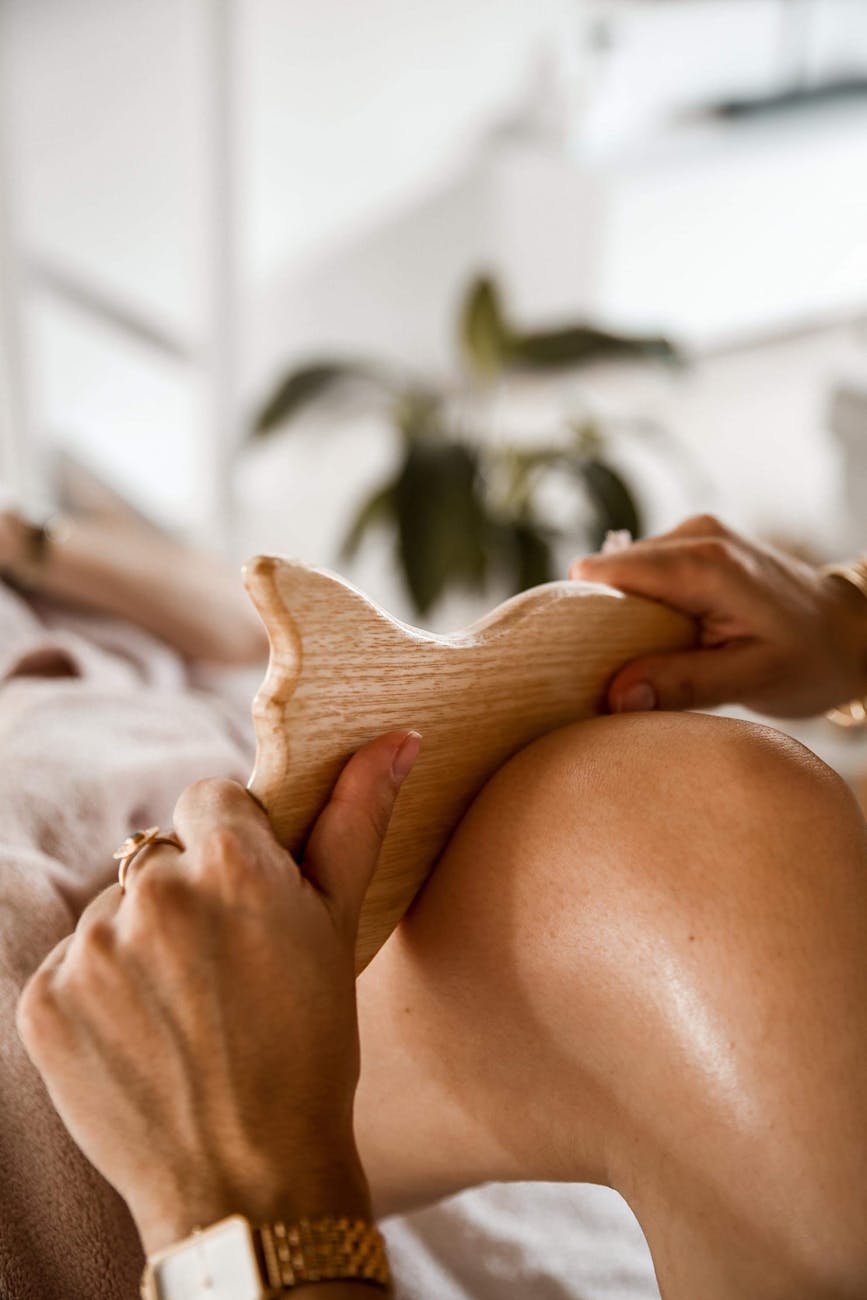
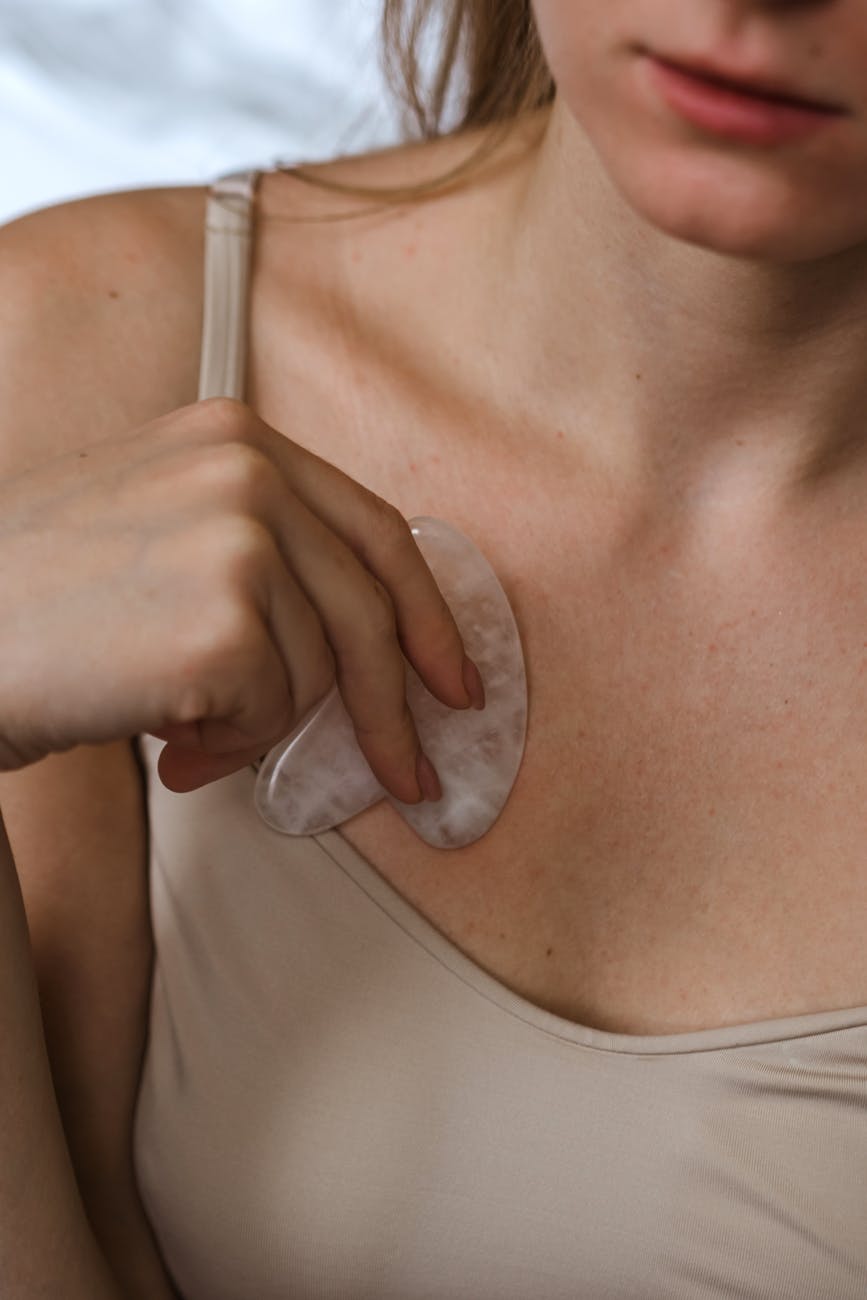
  5. Massage Roller or Gua Sha – A gentle lymphatic massage tool can assist in breaking up fibrotic tissue in lipedema-affected areas.
  6. Check “A few of my favorite things” link on the top of this page for the wooden massage kit that I use!

Final Thoughts

Self-MLD is a powerful, non-invasive way to support lymphatic function, reduce swelling, and improve comfort with lipedema. When combined with an anti-inflammatory vegan diet, movement, and other lymphatic support tools, it can be a game-changer in managing symptoms. Commit to just 10 minutes a day, and you’ll likely notice positive changes in how your body feels!

Have you tried MLD for lipedema? Let me know in the comments, and be sure to share this with anyone who could benefit! 💚

Uncategorized

“Leaky Lymphatics”- the Root Cause of Lipedema

Leaky lymphatics are hypothesized to play a central role in the development of fat abnormalities in women with lipedema by disrupting the normal function of the lymphatic system, which is essential for maintaining tissue health. Below is an in-depth explanation of how this phenomenon contributes to the characteristic fat deposition and abnormalities seen in lipedema:


1. Lymphatic Dysfunction and Fluid Accumulation

The lymphatic system is responsible for transporting lymph fluid, which contains waste products, immune cells, and excess fluids, away from tissues and into the bloodstream for removal. In women with lipedema:

  • The lymphatic vessels are believed to be “leaky” or damaged, meaning they allow lymph fluid to seep into surrounding tissues rather than transporting it efficiently.
  • This leakage leads to persistent fluid accumulation in the fat-rich subcutaneous tissue, creating a low-oxygen (hypoxic) and inflammatory environment.

2. Chronic Inflammation in Adipose Tissue

When lymphatic fluid leaks into the surrounding tissue, it contains inflammatory proteins and immune cells. Over time, this triggers chronic inflammation in the fat tissue. Chronic inflammation can:

  • Stimulate abnormal fat cell growth (adipogenesis): Inflammatory signals cause fat cells (adipocytes) to enlarge and proliferate more rapidly.
  • Recruit macrophages: These immune cells try to “clean up” the inflamed tissue but inadvertently release more inflammatory molecules, exacerbating the cycle of tissue damage and swelling.

3. Impaired Removal of Waste and Toxins

Leaky lymphatics also impair the removal of metabolic waste and toxins from tissues. This buildup of waste further stresses the surrounding cells and contributes to:

  • Fibrosis: The formation of stiff, fibrous tissue around the fat cells, which is a hallmark of lipedema.
  • Adipose Tissue Dysfunction: The fat tissue becomes less responsive to normal metabolic signals, such as those regulating fat storage and breakdown.

4. Increased Fat Deposition in Affected Areas

Due to the chronic inflammation, hypoxia, and poor waste removal:

  • Excess fat storage occurs preferentially in areas affected by lipedema (such as the hips, thighs, and legs), even when caloric intake is not excessive.
  • Resistant fat deposits form, which do not respond to traditional weight-loss methods like calorie restriction or exercise.

This localized fat accumulation is distinct from general obesity because it is driven by lymphatic dysfunction and inflammation rather than systemic metabolic factors.


5. Hormonal Influences

Women are disproportionately affected by lipedema due to the role of female sex hormones like estrogen. Estrogen:

  • Regulates lymphatic vessel function, meaning hormonal changes (e.g., puberty, pregnancy, or menopause) may worsen lymphatic leakage.
  • Promotes fat storage in subcutaneous areas (hips, thighs, and legs), which aligns with the regions commonly affected by lipedema.

When combined with leaky lymphatics, these hormonal effects amplify fat abnormalities and worsen swelling in affected tissues.


6. Vicious Cycle of Lymphatic Damage and Fat Abnormalities

The relationship between leaky lymphatics and fat abnormalities creates a self-reinforcing cycle:

  1. Leaky lymphatics lead to fluid accumulation and inflammation.
  2. Inflammation promotes abnormal fat growth and fibrosis.
  3. Increased fat and fibrosis place additional pressure on lymphatic vessels, further impairing their function.

Over time, this cycle perpetuates the progression of lipedema, leading to worsening symptoms and increased difficulty in managing the condition.


Potential Solutions to Address Leaky Lymphatics

While the underlying genetic cause of lipedema cannot currently be cured, there are strategies to support lymphatic health and manage the associated fat abnormalities:

  • Dietary Adjustments: A low-sodium, anti-inflammatory, and plant-based diet can help reduce swelling and inflammation.
  • Exercise: Low-impact activities like swimming, walking, or rebounding can improve lymphatic circulation.
  • Manual Lymphatic Drainage (MLD): A specialized massage technique that encourages lymph flow and reduces fluid buildup.
  • Compression Garments: Support lymphatic function by preventing fluid leakage and accumulation.
  • Medical Interventions: Emerging therapies, like lymphatic surgery or liposuction specifically for lipedema, may address advanced stages of the condition.

In conclusion, leaky lymphatics disrupt normal fat tissue function by creating an environment of chronic inflammation, poor oxygenation, and impaired waste removal. This results in abnormal fat deposition, fibrosis, and swelling, all hallmarks of lipedema. Understanding this connection underscores the importance of managing lymphatic health to improve quality of life for women with lipedema.

Uncategorized

The Link Between Salt Intake and Lipedema Swelling

For women with lipedema, managing swelling is one of the most critical aspects of reducing discomfort and improving mobility. While the root cause of lipedema is hypothesized to be “leaky lymphatics”—a condition where the lymphatic vessels fail to properly transport lymph fluid, leading to fluid buildup and inflammation—dietary choices can significantly impact swelling and water retention. (More about that in my next post!) One of the key dietary factors to consider is salt intake.

Why Does Salt Affect Lipedema Swelling?

Salt (sodium chloride) influences fluid balance in the body. High salt intake can lead to water retention as your body works to maintain a proper sodium-water balance. For women with lipedema, who may already struggle with compromised lymphatic drainage, excessive sodium can exacerbate symptoms, leading to:

  • Increased swelling in affected areas
  • A feeling of heaviness in the legs and arms
  • Increased pain and discomfort

Sea Salt vs. Table Salt: Is One Better?

While reducing overall sodium intake is crucial, choosing a better quality salt can make a difference. Sea salt is often considered superior to table salt for a few reasons:

  • Mineral Content: Sea salt contains trace minerals like magnesium, potassium, and calcium, which can support overall health and potentially aid lymphatic function.
  • Processing: Table salt is highly refined and often contains anti-caking agents and additives, while sea salt is less processed.
  • Flavor Profile: Because sea salt has a richer flavor, you may find you need less of it to season your food.

However, even sea salt should be used sparingly. The focus should be on using salt intentionally while incorporating foods and beverages that naturally reduce swelling and water retention.


Low-Sodium Alternatives to Salty Foods

If you’re trying to reduce your salt intake, here are some low-sodium substitutes for common high-sodium foods:

  • Soy SauceCoconut aminos or low-sodium tamari
  • Potato Chips → Unsalted baked vegetable chips or roasted chickpeas
  • Cheese → Nutritional yeast (adds a cheesy flavor without the salt)
  • Salted Butter → Unsalted vegan butter or avocado as a creamy spread
  • Canned Beans → No-salt-added or rinsed canned beans
  • Salted Snacks → Raw nuts, seeds, or homemade trail mix

Adding herbs, spices, lemon juice, or vinegar can help enhance flavors without relying on salt.


Water Retention and Lipedema: The Role of “Leaky Lymphatics”

The genetic condition known as lipedema is thought to involve “leaky lymphatics.” This means that the lymphatic vessels allow fluid to seep into surrounding tissues rather than transporting it efficiently. As a result, women with lipedema are prone to chronic swelling and may experience more severe water retention compared to the typical hormonal water retention cycle experienced by most women.

Because of this, reducing factors that contribute to water retention—including sodium intake—is especially important. Beyond diet, there are other effective strategies to support lymphatic drainage and minimize swelling.


Foods, Beverages, and Activities to Reduce Water Retention

Here’s a comprehensive list of things you can incorporate into your daily routine to help manage swelling and reduce water retention:

Foods:

  • Cucumber: High water content helps flush out excess sodium.
  • Celery: Contains compounds that promote fluid balance.
  • Watermelon: Acts as a natural diuretic.
  • Bananas: High in potassium, which helps balance sodium levels.
  • Leafy Greens: Rich in magnesium and potassium to reduce water retention.
  • Asparagus: Contains asparagine, which supports kidney function.
  • Beets: High in nitric oxide, which may improve circulation.
  • Pineapple: Contains bromelain, an enzyme that reduces inflammation.
  • Parsley: A natural diuretic that supports kidney function.

Teas:

  • Dandelion Tea: Known for its diuretic properties.
  • Green Tea: Contains antioxidants that may reduce inflammation.
  • Hibiscus Tea: Supports kidney health and reduces swelling.
  • Nettle Tea: Helps flush out excess fluids and supports lymphatic drainage.

Beverages:

  • Lemon Water: Stimulates lymphatic flow and hydrates the body.
  • Cucumber-Infused Water: Enhances hydration while flushing out sodium.
  • Coconut Water: A natural source of potassium to balance electrolytes.

Activities:

  • Rebounding: Jumping on a mini trampoline stimulates lymphatic flow.
  • Lymphatic Massage: Gently encourages lymphatic drainage.
  • Dry Brushing: Helps stimulate the lymphatic system.
  • Yoga: Poses like legs-up-the-wall promote circulation and reduce swelling.
  • Compression Garments: Improves lymphatic drainage and reduces fluid retention.
  • Daily Walks: Supports circulation and prevents stagnation of lymph fluid.

A Vegan Diet for Better Lymphatic Health

Switching to a vegan diet can be an effective strategy for managing lipedema swelling. A plant-based lifestyle is naturally rich in:

  • Anti-inflammatory foods: Such as berries, turmeric, and flaxseeds.
  • Hydrating foods: Like cucumber, zucchini, and leafy greens.
  • Nutrient-dense foods: To provide essential minerals for fluid balance.

By prioritizing whole, unprocessed foods and minimizing added sodium, you can give your body the best chance to manage water retention and reduce swelling caused by lipedema.


Conclusion

While lipedema’s root cause lies in genetic and lymphatic factors, managing salt intake and incorporating low-sodium alternatives can significantly reduce swelling and discomfort. Pairing these dietary changes with hydrating, potassium-rich foods, lymphatic-friendly activities, and a vegan lifestyle can help you take control of your symptoms and improve your quality of life.

What’s your favorite way to reduce swelling and manage lipedema symptoms? Let me know in the comments below!

Uncategorized

My Morning Smoothie: A Vegan Start to Managing Lipedema

As a woman living with lipedema, I’ve learned that diet plays a crucial role in managing this condition. Over the years, I’ve adopted a healthy, anti-inflammatory vegan lifestyle, and I’m thrilled to share the positive impact it’s had on my life. One of the cornerstones of my daily routine is my morning smoothie — a nutrient-packed powerhouse that sets me up for success every day.

Why a Vegan, Anti-Inflammatory Diet?

Lipedema is a condition often associated with chronic inflammation, so choosing foods that combat inflammation is vital. Dr. Michael Greger’s Daily Dozen, a guide to optimal plant-based eating, has been an incredible resource for me. His emphasis on whole, plant-based foods aligns perfectly with an anti-inflammatory approach. Dr. Brooke Goldner’s hypernutrition protocol has also been a game-changer, emphasizing the importance of daily smoothies packed with greens, flaxseeds, and berries to combat inflammation and promote healing.

My Morning Smoothie Recipe

Here’s the smoothie recipe that I’ve been enjoying almost every day for years. Not only does it taste amazing, but it’s packed with anti-inflammatory ingredients:

Ingredients:

  • 1 cup organic frozen mixed berries
  • 1 cup leafy greens (I use cruciferous microgreens grown on our farm!)
  • 2 tablespoons whole flaxseed
  • ½ scoop Vega Sport Protein (or any organic vegan protein powder that includes 15mg of protein)
  • Optional: Stevia for sweetness or a banana for natural sweetness
  • Water or unsweetened plant milk to blend

Simply blend all the ingredients together until smooth and enjoy!

Breaking Down the Anti-Inflammatory Power

Each ingredient in this smoothie serves a purpose:

  • Berries: Rich in antioxidants and anthocyanins, berries help fight inflammation and oxidative stress. They’re also a great source of vitamin C, supporting skin health and immune function.
  • Leafy Greens: Cruciferous microgreens, like kale or broccoli, are packed with sulforaphane, a powerful compound that combats inflammation and supports detoxification.
  • Flaxseed: A fantastic source of omega-3 fatty acids, lignans, and fiber, flaxseed helps reduce inflammation and improve cardiovascular health.
  • Vegan Protein Powder: A high-quality protein powder ensures I’m meeting my protein needs while staying plant-based. Protein also helps stabilize blood sugar levels and keeps me full longer.
  • Stevia or Banana: Both options provide sweetness without spiking blood sugar levels, and a banana adds a dose of potassium and fiber.

Why This Smoothie Works for Lipedema

Starting my day with this smoothie ensures I’m flooding my body with nutrients that support healing and energy. It’s a quick, convenient way to incorporate key anti-inflammatory foods first thing in the morning. I notice a big difference when I’m consistent with it — my energy levels are steadier, and my body feels more balanced.

Even our toddler loves it! There’s something so rewarding about knowing I’m setting a healthy example and nourishing my family at the same time.

Tips for Success

  • Batch your ingredients: Pre-portion your smoothie ingredients in freezer bags for a grab-and-blend option.
  • Experiment: Swap out greens or berries for variety, or add extras like chia seeds or turmeric for an extra anti-inflammatory boost.
  • Stay consistent: Making this smoothie a habit has been key to reaping its benefits.

Final Thoughts

Managing lipedema with a vegan, anti-inflammatory diet is about consistency, balance, and enjoying the journey. This morning smoothie has become a ritual I genuinely look forward to every day. It’s simple, delicious, and packed with everything my body needs to feel its best. If you’re looking for a way to incorporate more greens and anti-inflammatory foods into your diet, give it a try — you might just fall in love with it like I have!