Uncategorized

How to Perform Self Manual Lymphatic Drainage (MLD) for Lipedema

Lipedema is a chronic condition characterized by abnormal fat accumulation and impaired lymphatic function, which can lead to swelling and discomfort. One of the most effective ways to support your lymphatic system is through Manual Lymphatic Drainage (MLD), a gentle massage technique designed to encourage lymph flow, reduce swelling, and improve circulation. Incorporating MLD into your self-care routine can help alleviate symptoms and enhance your overall well-being.


Step-by-Step Guide to Self-MLD

Before you start:

  • Perform MLD in a comfortable, relaxed position, either sitting or lying down.
  • Use light, rhythmic, and gentle pressure—this is not deep tissue massage! The goal is to stimulate lymphatic movement, not press into muscles.
  • Always work from proximal to distal, meaning you start at the areas closest to the lymph nodes before moving outward.

1. Stimulate Key Lymph Nodes

Start by clearing the pathways for drainage.

  • Neck lymph nodes: Place your fingers just above your collarbone and make gentle, slow circular motions for 10 seconds.
  • Armpit lymph nodes: Lightly press and release your armpits with a pumping motion 10 times on each side.
  • Groin lymph nodes: Using flat fingers, make gentle circles at the crease where your leg meets your torso for 10 seconds per side.

2. Drain the Upper Body (Chest & Arms)

  • Lightly stroke from your chest toward your armpits, using soft sweeping motions, for 30 seconds.
  • If lipedema affects your arms, use gentle strokes from the wrist to the armpit, always moving toward the nearest lymph nodes.

3. Drain the Lower Body (Legs & Hips)

  • Start at your thighs, gently massaging upward toward the groin in light, sweeping motions for 1-2 minutes per leg.
  • Move to your calves, stroking upward toward your knees for another 1-2 minutes per leg.
  • If your feet and ankles are swollen, use soft circular motions around the ankles before stroking upward.

4. Finish by Repeating Key Lymph Node Stimulation

  • Repeat step 1 to encourage the final drainage of lymph fluid.

Recommended MLD Schedule

For best results, practice self-MLD daily or at least 4-5 times per week. Sessions should last about 10-15 minutes, though you can extend them if needed.

  • Morning: Helps reduce overnight swelling and start the day feeling lighter.
  • Evening: Supports lymphatic function and relaxation before bed.

Tools to Enhance Lymphatic Drainage & Circulation

While MLD is effective on its own, certain tools can amplify results:

  1. Dry Brush – Gently stimulates lymphatic flow and exfoliates the skin. Use before showering, always brushing toward the heart.
  2. Vibration Plate – Encourages lymph movement and improves circulation. Stand on it for 5-10 minutes per day.
  3. Rebounder (Mini Trampoline) – Low-impact bouncing activates the lymphatic system and enhances blood flow.
  4. Compression Garments – Help prevent fluid buildup and improve circulation when worn consistently.
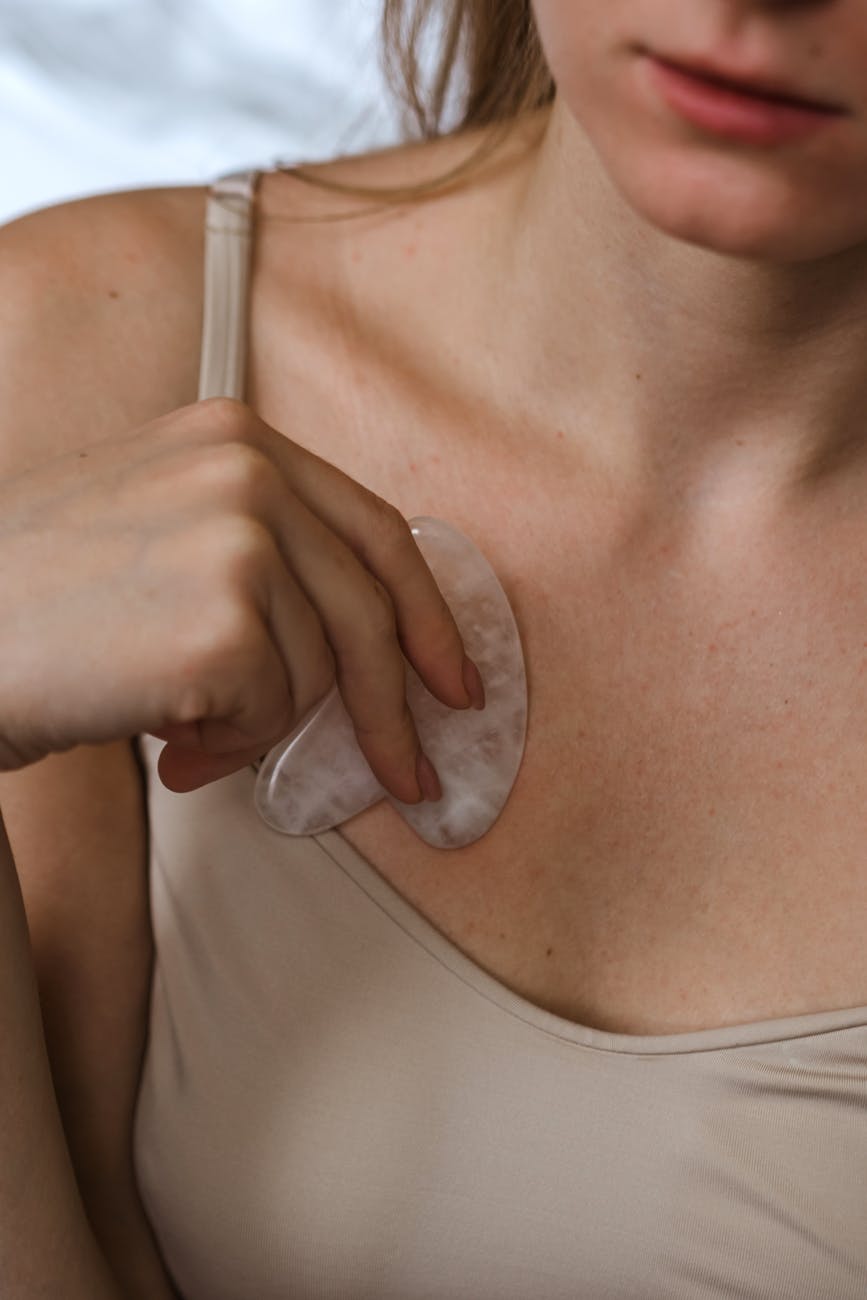
  5. Massage Roller or Gua Sha – A gentle lymphatic massage tool can assist in breaking up fibrotic tissue in lipedema-affected areas.
  6. Check “A few of my favorite things” link on the top of this page for the wooden massage kit that I use!

Final Thoughts

Self-MLD is a powerful, non-invasive way to support lymphatic function, reduce swelling, and improve comfort with lipedema. When combined with an anti-inflammatory vegan diet, movement, and other lymphatic support tools, it can be a game-changer in managing symptoms. Commit to just 10 minutes a day, and you’ll likely notice positive changes in how your body feels!

Have you tried MLD for lipedema? Let me know in the comments, and be sure to share this with anyone who could benefit! 💚

Uncategorized

“Leaky Lymphatics”- the Root Cause of Lipedema

Leaky lymphatics are hypothesized to play a central role in the development of fat abnormalities in women with lipedema by disrupting the normal function of the lymphatic system, which is essential for maintaining tissue health. Below is an in-depth explanation of how this phenomenon contributes to the characteristic fat deposition and abnormalities seen in lipedema:


1. Lymphatic Dysfunction and Fluid Accumulation

The lymphatic system is responsible for transporting lymph fluid, which contains waste products, immune cells, and excess fluids, away from tissues and into the bloodstream for removal. In women with lipedema:

  • The lymphatic vessels are believed to be “leaky” or damaged, meaning they allow lymph fluid to seep into surrounding tissues rather than transporting it efficiently.
  • This leakage leads to persistent fluid accumulation in the fat-rich subcutaneous tissue, creating a low-oxygen (hypoxic) and inflammatory environment.

2. Chronic Inflammation in Adipose Tissue

When lymphatic fluid leaks into the surrounding tissue, it contains inflammatory proteins and immune cells. Over time, this triggers chronic inflammation in the fat tissue. Chronic inflammation can:

  • Stimulate abnormal fat cell growth (adipogenesis): Inflammatory signals cause fat cells (adipocytes) to enlarge and proliferate more rapidly.
  • Recruit macrophages: These immune cells try to “clean up” the inflamed tissue but inadvertently release more inflammatory molecules, exacerbating the cycle of tissue damage and swelling.

3. Impaired Removal of Waste and Toxins

Leaky lymphatics also impair the removal of metabolic waste and toxins from tissues. This buildup of waste further stresses the surrounding cells and contributes to:

  • Fibrosis: The formation of stiff, fibrous tissue around the fat cells, which is a hallmark of lipedema.
  • Adipose Tissue Dysfunction: The fat tissue becomes less responsive to normal metabolic signals, such as those regulating fat storage and breakdown.

4. Increased Fat Deposition in Affected Areas

Due to the chronic inflammation, hypoxia, and poor waste removal:

  • Excess fat storage occurs preferentially in areas affected by lipedema (such as the hips, thighs, and legs), even when caloric intake is not excessive.
  • Resistant fat deposits form, which do not respond to traditional weight-loss methods like calorie restriction or exercise.

This localized fat accumulation is distinct from general obesity because it is driven by lymphatic dysfunction and inflammation rather than systemic metabolic factors.


5. Hormonal Influences

Women are disproportionately affected by lipedema due to the role of female sex hormones like estrogen. Estrogen:

  • Regulates lymphatic vessel function, meaning hormonal changes (e.g., puberty, pregnancy, or menopause) may worsen lymphatic leakage.
  • Promotes fat storage in subcutaneous areas (hips, thighs, and legs), which aligns with the regions commonly affected by lipedema.

When combined with leaky lymphatics, these hormonal effects amplify fat abnormalities and worsen swelling in affected tissues.


6. Vicious Cycle of Lymphatic Damage and Fat Abnormalities

The relationship between leaky lymphatics and fat abnormalities creates a self-reinforcing cycle:

  1. Leaky lymphatics lead to fluid accumulation and inflammation.
  2. Inflammation promotes abnormal fat growth and fibrosis.
  3. Increased fat and fibrosis place additional pressure on lymphatic vessels, further impairing their function.

Over time, this cycle perpetuates the progression of lipedema, leading to worsening symptoms and increased difficulty in managing the condition.


Potential Solutions to Address Leaky Lymphatics

While the underlying genetic cause of lipedema cannot currently be cured, there are strategies to support lymphatic health and manage the associated fat abnormalities:

  • Dietary Adjustments: A low-sodium, anti-inflammatory, and plant-based diet can help reduce swelling and inflammation.
  • Exercise: Low-impact activities like swimming, walking, or rebounding can improve lymphatic circulation.
  • Manual Lymphatic Drainage (MLD): A specialized massage technique that encourages lymph flow and reduces fluid buildup.
  • Compression Garments: Support lymphatic function by preventing fluid leakage and accumulation.
  • Medical Interventions: Emerging therapies, like lymphatic surgery or liposuction specifically for lipedema, may address advanced stages of the condition.

In conclusion, leaky lymphatics disrupt normal fat tissue function by creating an environment of chronic inflammation, poor oxygenation, and impaired waste removal. This results in abnormal fat deposition, fibrosis, and swelling, all hallmarks of lipedema. Understanding this connection underscores the importance of managing lymphatic health to improve quality of life for women with lipedema.