
If you have lipedema, you’re likely aware that a sluggish lymphatic system can exacerbate swelling, pain, and fat accumulation. Unlike the circulatory system, which has the heart to pump blood, the lymphatic system relies on movement and external stimulation to keep fluids flowing efficiently. Supporting lymphatic drainage is one of the most powerful tools in managing lipedema symptoms and improving overall well-being. Below are some science-backed strategies to enhance lymphatic flow and reduce stagnation.
1. Red Light Therapy
Red light therapy (RLT) has been gaining attention for its ability to reduce inflammation and support cellular function. Studies suggest that red and near-infrared light may enhance lymphatic drainage, decrease oxidative stress, and improve circulation—all of which are crucial for those with lipedema. I personally use this red light therapy device and have noticed improvements in skin texture and fluid retention. Consistent use may help mitigate the fibrosis and inflammation associated with lipedema.
2. Manual Lymphatic Drainage (MLD)
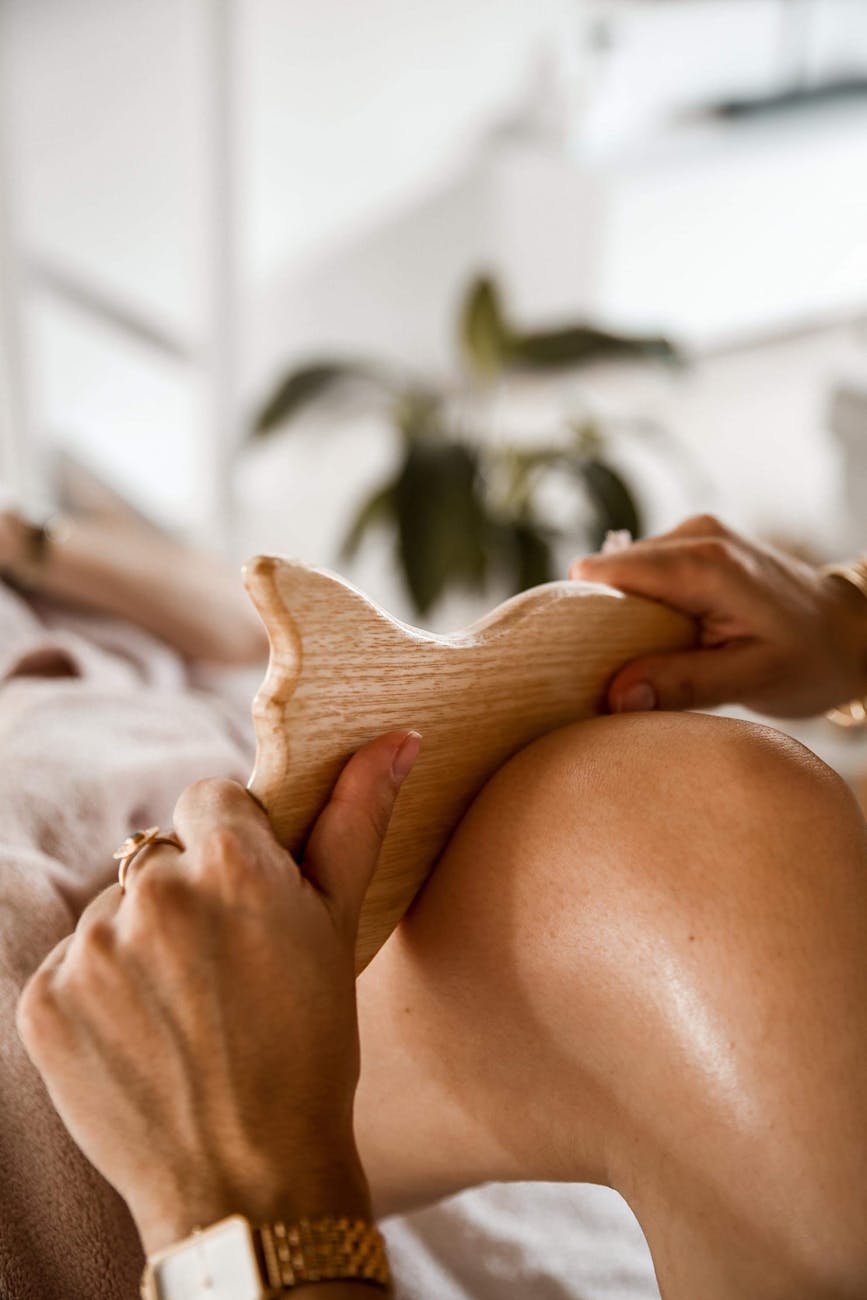
Manual Lymphatic Drainage is a gentle massage technique designed to stimulate lymph flow. Research supports its effectiveness in reducing edema, improving lymphatic circulation, and alleviating discomfort in lipedema patients. Regular MLD sessions, whether performed by a trained therapist or through self-massage techniques, can significantly enhance lymphatic function. If professional treatments aren’t feasible, self-massage with light, rhythmic strokes can still provide noticeable benefits.
3. Hydration: The Foundation of Lymphatic Flow
Adequate hydration is essential for maintaining optimal lymphatic function. The lymphatic system relies on water to move fluids, flush out waste, and transport immune cells. Dehydration thickens lymphatic fluid, making it harder to circulate. Aim for at least 2-3 liters of water per day, and consider adding lemon juice or electrolyte-rich beverages to further support hydration and detoxification. I personally supplement with this lymphatic herb tincture in water to help with lymphatic flow!
4. Vibration Plates for Lymphatic Stimulation
Whole-body vibration therapy is an effective way to stimulate the lymphatic system. Standing on a vibration plate encourages muscle contractions, which help move lymph fluid through the body. Studies indicate that vibration therapy can enhance circulation, reduce swelling, and promote tissue oxygenation—making it an excellent tool for those with lipedema. Just a few minutes per day can yield noticeable improvements in fluid retention and overall comfort.
5. Walking: The Simplest, Most Effective Movement
Walking is one of the best exercises for lymphatic health. It engages the calf muscles, which act as a secondary pump for lymphatic fluid. Aiming for 30-60 minutes of gentle to moderate walking per day can significantly enhance circulation and reduce stagnation. Walking on uneven terrain, such as grass or sand, can further engage stabilizing muscles and improve lymphatic drainage.
6. Yoga for Lymphatic Flow and Mobility
Certain yoga poses, particularly those that incorporate inversion or gentle compression, can help move lymph fluid through the body. Poses like Legs Up the Wall (Viparita Karani), Downward Dog, and Reclined Twist encourage lymphatic circulation while also reducing inflammation and improving flexibility—both of which are beneficial for managing lipedema.
7. Rebounding for Lymphatic Stimulation
Rebounding, or bouncing on a mini trampoline, is a powerful way to activate lymphatic drainage. The rhythmic motion helps propel lymph fluid through the system, reducing swelling and detoxifying tissues. Even five to ten minutes per day can make a difference in overall lymphatic function.
8. Dry Brushing for Daily Lymphatic Support
Dry brushing is a simple yet effective way to stimulate lymphatic circulation. Using a natural bristle brush, make gentle strokes towards the heart before showering. This not only promotes lymphatic movement but also exfoliates the skin and enhances circulation.
9. Deep Breathing for Internal Lymphatic Activation
The diaphragm plays a significant role in lymphatic circulation. Practicing deep, diaphragmatic breathing (such as belly breathing or alternate nostril breathing) helps create pressure changes that stimulate lymphatic movement. Incorporating five minutes of deep breathing into your daily routine can have profound effects on fluid balance and relaxation.
Final Thoughts
Managing lipedema is a multifaceted process, and optimizing lymphatic health is a crucial component. By incorporating these simple yet effective strategies into your daily routine, you can enhance circulation, reduce swelling, and improve overall well-being. Consistency is key—start with a few techniques that resonate with you and gradually build upon them to create a comprehensive lymphatic support routine.
Have you tried any of these methods? Let me know in the comments below what has worked for you!

 LipedemaVegan