Uncategorized

Brain Fog Is Your Body’s Fire Alarm: Time to Switch to an Anti-Inflammatory Diet

If you’re constantly tired, mentally foggy, or struggling to focus — you’re not just “off.”
You’re getting a desperate signal from your body: something’s inflamed, and it’s affecting your brain.

That fuzzy-headed feeling?
It’s not normal.
It’s not just stress.
It’s a fire alarm going off in your nervous system — and it’s telling you to change what you’re feeding your body and brain.

What Is Brain Fog, Really?

Brain fog is not a diagnosis — it’s a symptom of something deeper going wrong: inflammation, poor blood flow, gut issues, hormone imbalances, or blood sugar crashes.

For women with lipedema, this can be especially intense. New research shows that women with lipedema have increased cerebral blood flow — particularly in brain regions that process pain, emotion, and nervous system regulation. That might sound like a good thing, but it’s not always.

Too much blood flow can mean overactivation, chronic overstimulation, and mental burnout — all contributing to fog, fatigue, and anxiety.

If your brain is inflamed, foggy, or always “tired,” it’s not a character flaw.
It’s your body saying:

“Please help me. I’m inflamed, overwhelmed, and running low on clean fuel.”

Why an Anti-Inflammatory Diet Clears the Fog

Inflammation doesn’t just affect your joints or your skin — it affects your neurons, neurotransmitters, and mental clarity.
An anti-inflammatory diet — especially a plant-based one — helps by:

  • Feeding your gut microbiome, which supports brain health
  • Reducing oxidative stress, which protects your brain cells
  • Regulating blood sugar, avoiding energy crashes
  • Supporting better circulation, including cerebral blood flow

The Anti-Inflammatory Foods Women Should Be Eating Daily

Here are powerhouse plant foods you should include every day to reduce inflammation, support your brain, and help your body reset:

Leafy Greens

Spinach, kale, Swiss chard — high in folate, magnesium, and antioxidants that reduce brain inflammation.

Berries

Blueberries, strawberries, blackberries — rich in flavonoids that protect brain function and improve memory.

Chia Seeds & Flaxseeds

Excellent sources of plant-based omega-3s (ALA) — key for reducing inflammation and supporting brain cell structure.

Turmeric + Black Pepper

Turmeric contains curcumin, a potent anti-inflammatory. Pair with black pepper to increase absorption.

Broccoli & Cauliflower

Cruciferous veggies fight inflammation and support liver detox — which impacts brain clarity.

Avocados

Healthy fats that stabilize blood sugar and improve focus and memory.

Walnuts

Brain-shaped for a reason — they contain ALA, antioxidants, and polyphenols that boost cognitive function.

Green Tea or Matcha

Contains L-theanine, which calms the brain while promoting focus.

Beets

Support blood flow and oxygenation to the brain — especially helpful for women with circulation issues like lipedema.

Legumes (Lentils, Chickpeas, Black Beans)

Full of iron, magnesium, and slow-burning carbs to fuel your brain steadily.

Don’t Ignore the Signal

If you’re a woman dealing with lipedema, chronic fatigue, or daily mental fog, your brain is not broken — it’s inflamed.
And you can begin to shift it with daily food choices, not just supplements or stimulants.

Switching to a plant-based, anti-inflammatory diet won’t solve everything overnight, but it removes the gasoline from the fire. It lets your brain start to breathe again.

Start Here:

  • Swap out inflammatory triggers (dairy, red meat, refined sugar, ultra-processed foods).
  • Add at least 5 of the above anti-inflammatory foods daily.
  • Track how your brain feels — not just how your weight changes.

Brain fog is your fire alarm. Plant foods are the extinguisher.
If you’re ready to turn the fog into clarity, start with what’s on your plate.

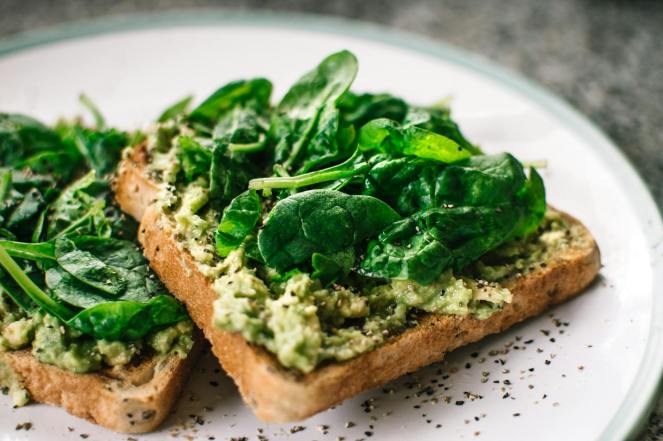
Photo by Photo By: Kaboompics.com on Pexels.com
Uncategorized

Why Women with Lipedema Should Rethink Arm Blood Pressure Measurements

For many women with lipedema, managing overall health is just as important as managing the condition itself. One critical yet often overlooked area is accurate blood pressure monitoring. If you have lipedema, especially with significant fat accumulation in your arms, it’s important to understand how traditional blood pressure cuffs might not give you a true reading — and what you can do about it.

How Lipedema Affects Arm Blood Pressure Readings

Lipedema is a chronic disorder of fat metabolism that leads to abnormal fat deposits, often in the legs, hips, and arms. In the arms, this excess fat can create extra bulk and alter the shape of the limb, making it difficult for standard upper-arm blood pressure cuffs to work properly.

When a blood pressure cuff is too small, or when it cannot compress the arm correctly because of disproportionate tissue, it can lead to artificially high readings. This could mistakenly suggest hypertension (high blood pressure) when, in fact, your cardiovascular health might be fine. Inaccurate readings can lead to unnecessary worry, overmedication, or missed diagnoses if true issues are masked by poor measurement technique.

Additionally, lipedema is referred to as a “painful fat syndrome”, and that makes the experience of having blood pressure measured with traditional cuffs excruciatingly painful for women with lipedema type fat in their upper arms!

Why Wrist Blood Pressure Monitors May Be a Better Choice

Wrist blood pressure monitors offer a smart alternative for women with lipedema affecting the arms. Here’s why:

  • Less interference from adipose tissue: The wrist generally carries much less lipedema fat compared to the upper arm, making it easier to get a good, snug fit.
  • More consistent compression: A properly placed wrist cuff can compress the radial artery more effectively, providing more reliable readings.
  • Greater comfort: Many women find wrist monitors more comfortable and less intimidating, making it easier to monitor their blood pressure regularly at home.

Important note: Wrist monitors must be used correctly — held at heart level — to get accurate results. Poor positioning can lead to errors, so it’s crucial to follow the instructions carefully. Here’s the wrist blood pressure monitor that I use!

Advocacy and Awareness

It’s time for greater awareness in both the lipedema and healthcare communities. Women with lipedema deserve accurate, respectful care, and that includes recognizing when standard procedures might not fit their bodies.

If you have lipedema and struggle with arm measurements, don’t hesitate to advocate for yourself:

  • Request a larger cuff if available.
  • Bring your own wrist monitor to appointments.
  • Educate your healthcare provider about lipedema and its impact on diagnostic tools.

Every woman deserves to be seen, heard, and accurately treated — and that starts with the right tools.

Plant-Based Nutrition for Better Blood Pressure Control

In addition to using the right equipment for accurate readings, lifestyle choices like adopting a plant-based diet can play a powerful role in maintaining healthy blood pressure. A vegan diet, rich in fruits, vegetables, whole grains, legumes, nuts, and seeds, naturally supports cardiovascular health by providing essential nutrients like potassium, magnesium, and antioxidants. These foods help reduce inflammation, improve arterial flexibility, and promote healthier blood flow — all critical factors for blood pressure regulation. Studies consistently show that individuals following a well-balanced vegan diet tend to have lower average blood pressure compared to those consuming animal-based diets. For women with lipedema, who may already face unique circulatory challenges, a plant-focused approach offers an added layer of support for heart health and overall well-being.

Final Thoughts

Purchasing a wrist blood pressure monitor is a powerful step toward empowering your health journey with lipedema. You deserve clear, accurate information about your body. By speaking up and sharing this knowledge, you’re not just helping yourself — you’re helping countless other women who deserve better care.

Photo by Thirdman on Pexels.com
Uncategorized

Is Keto Making Your Lipedema Worse?

In recent years, the keto diet has swept through the lipedema community like wildfire. Promising rapid weight loss and reduced inflammation, it’s no wonder so many women with lipedema turn to this high-fat, low-carb way of eating in hopes of relief. But here’s the hard truth:

The keto diet may be doing more harm than good for women with lipedema.

Why the Keto Diet Appeals to the Lipedema Community

Lipedema, a painful fat disorder affecting mostly women, is notoriously resistant to diet and exercise. Frustration is common, and the promise of fat-burning ketosis feels like a lifeline.

Keto’s appeal lies in:

  • Rapid water weight loss (which feels encouraging but isn’t true fat loss)
  • Claims of reduced inflammation
  • A “legal” way to eat calorie-dense comfort foods like cheese, butter, bacon, and steak

Social media is filled with women touting their keto success stories. But what you don’t always see are the long-term setbacks that many experience—like increased joint pain, stalled weight loss, hormonal issues, and worsening symptoms.

The Hidden Dangers of Keto for Lipedema

1. Animal Products Promotes Inflammation

The keto diet relies heavily on meat, dairy, and eggs—foods that are linked to systemic inflammation. For women with lipedema, whose tissue is already inflamed and fibrotic, that’s a huge red flag.

  • Saturated fat, abundant in animal products, can impair lymphatic function and increase inflammatory markers.
    Source: Harvard T.H. Chan School of Public Health
  • Dairy, particularly cheese, has been shown to raise insulin-like growth factor 1 (IGF-1), which promotes fat cell growth.
    Source: Allen NE, et al. Journal of the National Cancer Institute, 2002.
  • Red meat and processed meats are also linked to increased estrogen activity and oxidative stress, both problematic for lipedema.
    Source: Turner ND, Lloyd SK. Nutrition Research, 2017.

2. Lipedema is a Lymphatic and Hormonal Condition

Keto doesn’t address the underlying causes of lipedema: lymphatic dysfunction, hormonal imbalances, and connective tissue disorders. It focuses solely on weight loss—and often at the expense of long-term metabolic and hormonal health.

For example:

  • Keto can dysregulate thyroid hormones in women, worsening fatigue and metabolic slowdown.
    Source: McAninch EA, et al. Frontiers in Endocrinology, 2019.
  • Estrogen dominance, common in lipedema, is exacerbated by high saturated fat intake, which impairs estrogen detoxification through the liver and gut.

3. High-Fat Diets Can Worsen Gut Health

The gut microbiome is crucial for regulating inflammation and estrogen. Keto, especially when fiber is low, starves beneficial gut bacteria, reduces diversity, and increases gut permeability (“leaky gut”)—a driver of chronic inflammation.
Source: Singh RK, et al. Journal of Translational Medicine, 2017.

A Healthier Alternative: The Anti-Inflammatory Vegan Diet

Switching to a plant-based, anti-inflammatory vegan diet can radically shift how you manage lipedema. This approach is:

  • High in fiber, which supports detoxification and estrogen balance
  • Rich in antioxidants, which help break down fibrotic tissue
  • Low in saturated fat, reducing inflammation and improving lymph flow
  • Naturally alkalizing, supporting healthy connective tissue and reduced edema

Plant foods like berries, leafy greens, cruciferous veggies, flaxseeds, beans, and legumes are nutritional powerhouses for women with lipedema. They support:

  • Hormone detox (especially when paired with cruciferous veggies and flax)
  • Collagen repair and lymphatic flow
  • Stable blood sugar without the inflammatory toll of animal products

Women who’ve made the switch to a whole-food vegan diet often report better energy, improved skin tone, less puffiness, and even measurable reduction in limb size over time.

You Deserve a Better Path

The keto diet isn’t evil—but it’s not your solution if you’re managing lipedema long-term. Instead of chasing the next trendy protocol, it’s time to align your diet with your biology.

✅ Anti-inflammatory
✅ Estrogen-balancing
✅ Lymph-friendly
✅ Fiber-rich and deeply nourishing


Ready to Try the Lipedema Vegan Protocol?

If you’re curious about transitioning to a plant-based diet that supports your lipedema healing, check out my free resources and meal planning guides at LipedemaVegan.com.

Let’s stop fighting fat with fads and start healing with food.

Uncategorized

The Carnivore Diet is Bullshit

Why Eating Only Meat Is Not the Answer to America’s Health Crisis

America has a problem—a meat-sized problem. Chronic diseases like heart disease, cancer, obesity, and type 2 diabetes are the top preventable causes of death in the United States. And what do they have in common? Diet.

So why, in the middle of a public health crisis, are people turning to the carnivore diet—a regimen that eliminates every plant food on Earth and doubles down on red meat, eggs, and butter?

Let’s be clear: the carnivore diet is not just restrictive—it’s dangerously myopic. And despite the hype on podcasts and TikTok, peer-reviewed science says it’s bullshit when it comes to long-term health.


🧠 The Logic of Disease Prevention

If we’re going to talk about diet, we need to talk about what kills people in the U.S.:

  • Heart disease: #1 cause of death
  • Cancer: #2 cause of death
  • Stroke & diabetes: Top contributors to disability and death
  • Obesity & inflammation: Drivers of all of the above

Any diet that claims to be “optimal” should reduce your risk of those diseases. So, let’s compare the carnivore diet to a vegan diet—one backed by decades of research—for the four biggest pillars of health: weight, cancer, heart disease, and inflammation.


⚖️ 1. Weight Loss

Carnivore diet:

  • Some people report weight loss, but no clinical trials confirm this.
  • A Harvard study (2021) surveyed 2,000 self-selected carnivore dieters, and while many reported weight loss, the data was self-reported and biased.
  • No fiber, no carbs, no nuance. Just meat and discipline.

Vegan diet:

  • Randomized trials show that whole-food, plant-based diets lead to sustained weight loss without calorie counting.
  • High fiber and low-calorie density foods increase satiety and decrease total intake naturally.
    📚 Source: Obesity Medicine Association, 2022

✅ Verdict: Vegan diets win—with real data, not anecdotes.


🧬 2. Cancer Prevention

Carnivore diet:

  • The WHO classifies processed meat as carcinogenic and red meat as probably carcinogenic, especially in relation to colorectal cancer.
  • No fruits, vegetables, or phytochemicals = no protective compounds.

Vegan diet:

  • Rich in antioxidants, fiber, and anti-cancer compounds like flavonoids and polyphenols.
  • Meta-analyses show reduced risk of multiple cancers among vegetarians and vegans.
    📚 Source: PubMed – PMC35334103

✅ Verdict: Plants fight cancer. Meat increases risk.


❤️ 3. Heart Health

Carnivore diet:

  • Extremely high in saturated fat and cholesterol.
  • Elevates LDL cholesterol—a well-established risk factor for atherosclerosis and heart disease.
    📚 Source: Journal of the American College of Cardiology

Vegan diet:

  • Lowers LDL cholesterol, blood pressure, and inflammatory markers.
  • In a study of identical twins, those on a vegan diet had significantly better heart health than their omnivorous siblings after just 8 weeks.
    📚 Source: Stanford School of Medicine, 2023

✅ Verdict: Vegan diets protect the heart. Carnivore diets endanger it.


🔥 4. Inflammation (a Root Cause of Lipedema)

Carnivore diet:

  • Claims of “reduced inflammation” are anecdotal and unsupported by peer-reviewed research.
  • Lacks fiber, which supports gut microbiota—essential for regulating inflammation.
    📚 Source: WebMD & Harvard Health

Vegan diet:

  • Associated with lower C-reactive protein (CRP), a marker of systemic inflammation.
  • Polyphenol-rich foods (berries, greens, turmeric) fight inflammation at the cellular level.
    📚 Source: PMC7730154

✅ Verdict: Fiber and phytonutrients are anti-inflammatory. Meat alone is not.


🧂 What About the “Success Stories”?

Yes, some people feel better on the carnivore diet—often because they cut out ultra-processed junk, sugar, and foods they didn’t realize were triggering issues. But eliminating every plant food to get there? That’s like burning down your house because of a spider.

There are healthier, evidence-based ways to reduce inflammation, lose weight, and improve autoimmune symptoms. A well-structured vegan or Mediterranean diet does that—without risking colon cancer or clogging your arteries.


🌀 Hormonal Havoc: Why the Carnivore Diet Can Backfire for Women

Emerging evidence and clinical observations also raise concerns about the impact of the carnivore diet on women’s hormonal balance and mental health. Extremely low-carbohydrate, high-protein diets can increase cortisol, the body’s primary stress hormone, particularly in women—leading to disruptions in menstrual cycles, sleep, and emotional regulation. Carbohydrates play a key role in serotonin production, and their absence may contribute to anxiety, depression, and mood instability over time. Some women report amenorrhea (loss of periods), fatigue, or increased irritability on carnivore diets, all of which signal that the body is under stress—not thriving. Long-term restriction of plant foods also eliminates critical phytoestrogens and nutrients like magnesium, folate, and B6 that support hormonal health. For women especially, the carnivore diet may offer short-term control but at the cost of long-term hormonal chaos.

🧠 Final Thoughts: The Carnivore Diet Is a Dead End

The carnivore diet is the ultimate nutritional echo chamber: short-term relief with long-term risk, sold to you by influencers with no scientific backing.

If your goal is to live longer, avoid disease, and thrive—not just survive—then meat-only madness is not the way.

Want a real solution?
Focus on fiber. Eat a rainbow. Don’t take nutrition advice from people who think vegetables are dangerous.

Uncategorized

4 Weeks on the LipedemaVegan Protocol: InBody Scan Results & Analysis

Over the past month, I’ve been fully committed to my 180-Day LipedemaVegan Protocol — a structured anti-inflammatory plan combining strategic fasting, plant-based nutrition, proteolytic enzymes, and targeted supplementation to reduce lipedema fat, inflammation, and overall weight.

To track my progress beyond the scale, I’ve been using InBody 770 scans every 4 weeks (in sync with my 28 day natural menstrual cycles). These scans go deeper than just weight — they break down water retention, fat mass, muscle mass, and more.

Due to the fact that my plan involves caloric and carbohydrate tapering and once a week full day of fasting on Friday (typically 39 hours of fasting between Thursday’s dinner and Saturday’s breakfast), I have quite a bit of fluctuations on my daily weigh-in chart. But the overall rate is 2.2 pounds per week!

Here’s what happened over 4 weeks:


🔍 Key Changes: February 24 to March 24

CategoryFeb 24Mar 24Change
Weight237.3 lbs228.5 lbs⬇ 8.8 lbs (2.2 pounds per week on average!)
Body Fat Mass120.2 lbs114.5 lbs⬇ 5.7 lbs
Skeletal Muscle Mass64.4 lbs62.4 lbs⬇ 2.0 lbs
Body Fat %50.6%50.1%⬇ 0.5%
Visceral Fat Area254.5 cm²246.5 cm²⬇ 8 cm²
Dry Lean Mass31.3 lbs30.2 lbs⬇ 1.1 lbs
Intracellular Water52.7 lbs51.4 lbs⬇ 1.3 lbs
Extracellular Water33.1 lbs32.4 lbs⬇ 0.7 lbs

💡 What These Numbers Mean

1. Nearly 9 Pounds Down in 4 Weeks

This is a strong, healthy rate of fat loss — especially considering my protocol prioritizes sustainable fat loss and lymphatic support for lipedema. Most notably, over 5.5 lbs of the loss came directly from fat.

🧠 2. Muscle Loss or… Something Else?

The InBody scan registered a 2-pound drop in skeletal muscle mass. At first glance, that might seem concerning — but here’s why I believe it’s not a true loss of muscle, and actually a sign that the protocol is working:

💪 My muscle-preserving strategies:

  • 100g+ of plant-based protein per day (same as before I started)
  • No reduction in physical activity or movement
  • Strategic intake of resistant starches and leucine-rich protein sources
  • Balanced calorie tapering (not crash dieting)

Given this, my body should be retaining most of its lean mass — and typically, someone losing 9 lbs in a month under these conditions would lose only ~1–1.5 lbs of muscle at most.

My hypothesis:

The extra 0.5–1 lb “muscle loss” reported is likely dense, fibrotic tissue breaking down — a hallmark of lipedema fat that often registers closer to lean mass in body scans.

In other words: I’m not just losing fat. I’m dismantling fibrosis.

💧 3. Improved Water Balance

Both intracellular and extracellular water dropped slightly, aligning with reduced inflammation and potential lymphatic flow improvement. ECW/TBW ratios remained stable — no signs of dehydration.

🔥 4. Visceral Fat Reduction

My visceral fat area shrank by 8 cm². This type of deep belly fat fuels systemic inflammation, so this is a powerful sign of internal healing.

🧍‍♀️ 5. Fat Loss in Arms, Trunk, Legs

  • Right arm: ⬇ 1.3 lbs
  • Left arm: ⬇ 1.1 lbs
  • Trunk: ⬇ 2.6 lbs
  • Legs: ⬇ 1.2 lbs (combined)

This shows that even areas notoriously resistant to change in lipedema are responding.


🌿 What I’ll Do Next

  • Stick with my current protocol — it’s clearly working
  • Focus on hydration and Vitamin C intake
  • Continue enzymes + anti-fibrotic support (curcumin, resveratrol, lymphatic herbs)

📉 In Summary

After 4 weeks:

  • I lost 8.8 lbs, mostly fat
  • My body fat % dropped
  • My visceral fat and inflammation are improving
  • My protocol may be breaking down fibrosis, not just fat

This journey isn’t just about the number on the scale — it’s about healing at a deeper level. If you’re on a similar path with lipedema, know this: progress might be slow or subtle, but with the right tools, it’s not only possible — it’s measurable.

Uncategorized

My 1-Month Vegan Lipedema Weight Loss Update!

Hey everyone, and welcome back to my channel! I wanted to give a one-month update on my 180-Day Lipedema Vegan Protocol. The results so far have been super encouraging. In just 26 days, I’ve lost 13 pounds. And no, I’m not following a keto diet—I actually just ate some vegan frozen pizza, so definitely far from it.

I have a moderate-carb lunch every day and a low-carb dinner to encourage autophagy overnight. It’s working great for me because I’m a busy toddler mom who’s also self-employed with my own family business.

On Monday, I’ll be doing my second InBody scan, and I’m super excited to see the results. I check in with the scale every day, but it’ll be interesting to see which arms, legs, or areas of the body the weight has been removed from—and that’s what you get with the InBody scan. I’m doing them every 28 days because that’s the length of my menstrual cycle. By doing it on the same day of the cycle every month, it’ll accommodate for menstrual-related water retention, etc.

In addition to monitoring my weight loss every day and over the course of this 180-day protocol, I’ve also been feeling the fat tissues on my body to notice changes in them. When lipedema is first diagnosed, one of the areas that you can check is the cubital region, which is right above the elbow. When you palpate that fat, women with lipedema tend to have this granular, nodular, fibrotic feeling to the fat that exists in that region of the body. It’s also in your legs and other parts of the body that are affected by lipedema, but it’s easier to feel right above the elbow.

When I started, it felt kind of like a bag of rice—like feeling through the very thin, soft skin there and noticing all these granular pieces of proteins and fibrotic tissues developed within the fat. That area has softened tremendously, so that’s how I know my protocol is working. I’ve also noticed the same effect in my lower abdomen and my legs, but it’s really noticeable in the arms.

I’m super excited to see what five more months of this protocol will do. As I’ve mentioned in the past, this protocol is not just about diet or just about supplements—it’s also about therapies that I’m using, including manual lymphatic drainage. I had always heard it was good for you, but I didn’t know how to do it, so I taught myself.

I’m also using red light therapy. This is new technology, and I bought a full-body size mat that I lay on—on my stomach, face down for 10 minutes, and then I flip over and lay on my backside for 10 minutes—so it’s full-body coverage. I do that completely nude for full skin exposure. The mat I have has five power levels. I started on power level one at the start of this month, which is 50 watts. Every red light therapy machine has different settings, so feel free to ask in the comments if you want more details.

I just bumped it up to level two, which is 90 watts. I’m happy to link to the specific mat that I’m using. I do it right before bed, and I already really feel a difference after moving it up to level two. You increase gradually because you want your body to adjust to the red light exposure.

The main reason I’m using red light therapy is because it helps with lymphatic circulation. I also hope to lose 50+ pounds, and I believe the red light therapy will help tighten the skin. Red light increases circulation at the skin level, and with the supplement protocol that I am on, the red light is bringing my blood to the surface of the skin. It is anti-inflammatory, helping with circulation and microcirculation at the skin level, which I believe helps break down extra skin laxity as I lose weight.

Aside from weight loss on the scale and the palpable changes I’m feeling by examining the texture of the fat on my body, I’m also noticing that all my clothes fit way better. I feel way more comfortable in my skin, and I just can’t wait for continued results.

The diet plan I’m on is keeping my blood sugar really stable. I have no brain fog, and I have tons of energy. Again, I’m a toddler mom and self-employed with a first-generation farm business that keeps us really, really busy. Yet I’m able to follow this protocol and get all the tasks done that I need to for my day, my baby, and my family.

The main reason I designed some of the supplements to be included in this 180-day protocol was for hunger regulation. I consider myself a very hungry person—a volume eater, a big eater. The supplements I’m taking are helping keep my hunger levels down, which is key to sticking to a plan like this long-term. I think that’s why I’m seeing the results that I am.

In a few days, I’ll be posting my InBody scan results. I can’t wait to see where the weight loss is happening in my body and what other changes are occurring. So follow me on all the socials at @LipedemaVegan, check out my website LipedemaVegan.com, and subscribe to this YouTube channel.

The next video coming will be all about that InBody scan and the results that I’m getting after one month.

Uncategorized

50 Meal Ideas for Women with Lipedema Switching to an Anti-Inflammatory Vegan Diet

If you’re a woman with lipedema making the transition to a vegan, anti-inflammatory diet, you might be wondering: What can I eat?

Lipedema is a chronic condition that causes fat accumulation, pain, and inflammation, particularly in the lower body. While there’s no cure, following an anti-inflammatory diet can help reduce symptoms, promote weight management, and support lymphatic health.

A vegan anti-inflammatory diet focuses on:
Whole, unprocessed foods (fruits, vegetables, legumes, whole grains, nuts, and seeds)
Omega-3-rich foods (flaxseeds, chia seeds, walnuts, and algae-based omega-3 supplements)
Antioxidant-rich foods (berries, leafy greens, cruciferous vegetables, turmeric, ginger)
Low-inflammatory protein sources (tofu, tempeh, lentils, beans, hemp seeds, pea protein)
Gut-friendly foods (fermented foods, prebiotic-rich fiber)
Balanced meals that support stable blood sugar and lymphatic function

A lipedema-friendly vegan diet should:
✅ Include familiar, easy-to-find foods
✅ Focus on protein, healthy fats, and fiber
✅ Be low in refined sugars & processed foods
✅ Reduce inflammatory foods like dairy and meat

Here are 50 meal ideas with simple ingredients you can find at any grocery store!


🌞 Breakfast Ideas (10)

  1. Peanut Butter Banana Toast – Whole grain toast with peanut butter and banana slices.
  2. Berry Protein Smoothie – Frozen strawberries, plant protein powder, flaxseeds, and almond milk.
  3. Vegan Pancakes – Made with oat flour or whole wheat flour, topped with maple syrup.
  4. Avocado Toast – Mashed avocado on toast with hemp seeds and red pepper flakes.
  5. Cinnamon Oatmeal with Walnuts – Old-fashioned oats with cinnamon, maple syrup, and walnuts.
  6. Tofu & Hash Brown Scramble – Crumbled tofu cooked with breakfast potatoes and bell peppers.
  7. Almond Butter & Apple Slices – Sweet and crunchy morning snack.
  8. Breakfast Burrito with Beyond Sausage – Scrambled tofu, avocado, and dairy-free cheese in a tortilla.
  9. Vegan Yogurt with Granola & Berries – Coconut or almond yogurt with granola and blueberries.
  10. Protein-Packed Overnight Oats – Oats soaked overnight with almond milk, chia seeds, and cocoa powder.

🥗 Lunch Ideas (10)

  1. Vegan Grilled Cheese & Tomato Soup – Made with dairy-free cheese and whole wheat bread.
  2. Chickpea Salad Sandwich – Mashed chickpeas mixed with vegan mayo, celery, and mustard on whole wheat bread.
  3. Vegan Mac & Cheese – Made with cashew cheese sauce or dairy-free cheddar.
  4. Spaghetti with Meatless Marinara – Whole wheat pasta with plant-based ground beef and marinara sauce.
  5. BBQ Jackfruit Sandwich – Pulled jackfruit in BBQ sauce on a whole wheat bun with coleslaw.
  6. Vegan BLT – Whole wheat toast with tempeh bacon, lettuce, and tomato.
  7. Loaded Baked Potato – Topped with dairy-free sour cream, chives, and black beans.
  8. Lentil Sloppy Joes – Lentils cooked in a smoky tomato sauce on a bun.
  9. Vegan Quesadilla – Whole wheat tortilla with dairy-free cheese, black beans, and avocado.
  10. Beyond Burger with Sweet Potato Fries – A classic American meal, made healthier.

🍽️ Dinner Ideas (10)

  1. Vegan Tacos – Made with lentil taco filling, dairy-free sour cream, and guacamole.
  2. Plant-Based Meatloaf & Mashed Potatoes – Made with lentils or Beyond Meat.
  3. BBQ Tofu with Corn on the Cob – A classic backyard meal made vegan.
  4. Buffalo Cauliflower Wings & Fries – Baked cauliflower bites with buffalo sauce.
  5. Vegan Chili with Cornbread – Lentils, black beans, and tomatoes with homemade cornbread.
  6. Stuffed Bell Peppers – Peppers filled with brown rice, black beans, and salsa.
  7. Dairy-Free Alfredo Pasta – Made with cashew sauce and whole wheat pasta.
  8. Vegan Pizza Night – Use a whole wheat crust, tomato sauce, veggies, and dairy-free cheese.
  9. Baked Ziti with Cashew Ricotta – Comfort food made plant-based.
  10. Shepherd’s Pie with Lentils & Mashed Potatoes – A hearty and filling dinner.

🥑 Snack Ideas (10)

  1. Popcorn with Nutritional Yeast – Savory, cheesy flavor without the dairy.
  2. Hummus & Whole Wheat Crackers – Easy and protein-packed.
  3. Dark Chocolate with Almond Butter – A satisfying sweet snack.
  4. Homemade Trail Mix – Nuts, seeds, and dried fruit.
  5. Celery & Peanut Butter – Crunchy and satisfying.
  6. Roasted Chickpeas – A crunchy, high-protein snack.
  7. Apple Chips – Naturally sweet and fiber-rich.
  8. Graham Crackers with Almond Butter – A childhood favorite with a healthy twist.
  9. Coconut Yogurt & Granola – Simple and gut-friendly.
  10. Vegan Cheese & Crackers – A familiar, satisfying snack.

🥤 Drinks & Smoothies (10)

  1. Chocolate Protein Shake – Plant-based protein, cocoa powder, banana, and almond milk.
  2. Strawberry Banana Smoothie – Classic and delicious.
  3. Iced Matcha Latte – Made with coconut milk and sweetened with stevia.
  4. Green Detox Smoothie – Spinach, pineapple, banana, and almond milk.
  5. Golden Turmeric Latte – Coconut milk, turmeric, and cinnamon.
  6. Vanilla Almond Milkshake – Frozen banana, vanilla extract, and almond milk.
  7. Hibiscus Iced Tea – Hydrating and antioxidant-rich.
  8. Coconut Water with Lime – Electrolyte-rich and refreshing.
  9. Spiced Chai Tea Latte – A cozy, caffeine-free option.
  10. Classic Lemonade with Stevia – A sugar-free summer drink.

Transitioning to a vegan anti-inflammatory diet doesn’t mean you have to give up your favorite foods! With a few simple swaps, you can enjoy familiar meals that reduce inflammation, stabilize blood sugar, and support your body while managing lipedema symptoms.

The key is to focus on whole, plant-based foods that reduce inflammation, support circulation, and stabilize blood sugar. By incorporating healthy fats, fiber, plant protein, and antioxidant-rich ingredients, you’ll help your body function optimally while managing lipedema symptoms.

🌱 For more meal ideas, recipes, and lipedema-friendly nutrition tips, subscribe to my newsletter! 🌱

Photo by Lisa from Pexels on Pexels.com
Uncategorized

Resistant Starch and the Vegan Lipedema Diet: How It Supports Fat Loss & Gut Health

Resistant starch is gaining attention in the nutrition world for its unique ability to support gut health, enhance insulin sensitivity, and contribute to fat loss. For women with lipedema, resistant starch can be an essential part of a balanced, anti-inflammatory vegan diet that promotes stable blood sugar, reduced inflammation, and improved digestion.

As part of my 180-day Vegan Lipedema Fat Reduction Protocol, I strategically include resistant starch in lunches as part of my carbohydrate tapering approach—consuming moderate amounts of complex, slow-digesting carbs early in the day and tapering down to low-carb meals by dinner. This structure optimizes fat metabolism while supporting gut health, satiety, and blood sugar stability.

In this post, I’ll break down:
What resistant starch is and why it’s beneficial
✅ The best vegan sources of resistant starch (since you won’t find ANY on a keto diet)
Cooking techniques to increase resistant starch content
How it fits into my lipedema diet plan

Let’s dive in!


What Is Resistant Starch?

Resistant starch (RS) is a type of carbohydrate that resists digestion in the small intestine and instead ferments in the large intestine, acting as a prebiotic fiber (Zaman et al., 2019). Unlike regular starches that quickly convert into glucose, resistant starch slows digestion, leading to improved insulin sensitivity, prolonged satiety, and beneficial gut bacteria growth (Zeng et al., 2023).

Key Benefits of Resistant Starch for Lipedema

  1. Supports Insulin Sensitivity – Women with lipedema often struggle with impaired fat metabolism and lymphatic dysfunction, which can worsen with insulin resistance (Herbst, 2012). Resistant starch reduces postprandial blood sugar spikes, improving insulin sensitivity and promoting a fat-burning metabolic state (Robertson et al., 2005).
  2. Feeds Beneficial Gut Bacteria – RS acts as a prebiotic, feeding gut bacteria like Bifidobacteria and Akkermansia muciniphila, both associated with lower inflammation, improved digestion, and enhanced fat metabolism (Martinez et al., 2010). Gut dysbiosis is commonly linked to lipedema, making gut health a key area of focus.
  3. Increases Satiety and Reduces Hunger – Because RS slows digestion and produces short-chain fatty acids (SCFAs) like butyrate, it helps increase satiety hormones and reduce cravings (Zaman et al., 2019). This is particularly useful in appetite control and caloric deficit strategies for weight management in lipedema.
  4. May Reduce Inflammation & Fibrosis – Some studies suggest RS modulates the immune system, reducing inflammatory markers like TNF-alpha and IL-6, which are elevated in lipedema (Zeng et al., 2023). Additionally, its influence on gut microbiota and SCFA production may indirectly affect fibrosis formation, a key issue in lipedema progression.

Best Vegan Sources of Resistant Starch

Resistant starch is naturally found in several plant-based foods, particularly legumes, whole grains, tubers, and green bananas. Below are some of the best vegan-friendly sources of resistant starch:

High-Resistant Starch Vegan Foods

FoodRS TypeServing Suggestions
Cooked & Cooled RiceRS3Make cold rice salads or sushi rolls
Cooked & Cooled PotatoesRS3Use in potato salads or reheat gently
Green Bananas & PlantainsRS2Blend into smoothies or slice over oatmeal
Lentils & ChickpeasRS1 & RS3Add to salads, soups, or hummus
Oats (Soaked or Cooked & Cooled)RS3Use in overnight oats or chilled oatmeal
Beans (Black Beans, Kidney Beans, Navy Beans)RS1 & RS3Include in chili, burritos, or cold bean salads

How Cooking & Cooling Enhances Resistant Starch

Cooking changes the starch structure, but cooling it afterward retrogrades the starch, increasing resistant starch content. Here’s how to maximize RS in your meals:

  1. Cook & Cool Method (RS3 Formation)
    • Cook rice, potatoes, pasta, or oats and let them cool for at least 12 hours before consuming.
    • The cooling process increases resistant starch levels by up to 300% (Zaman et al., 2019).
    • The best part? Even if you reheat them later, they retain their resistant starch properties.
  2. Eat Raw or Minimally Processed RS2 Sources
    • Green bananas, plantains, and some unprocessed grains contain RS2, which remains resistant unless cooked.
    • These are great to add raw in smoothies, muesli, or as a snack.
  3. Use Legumes & Beans for RS1 & RS3
    • Soak, cook, and cool beans and lentils for maximum RS formation.
    • Adding them to cold salads or dips maintains their resistant starch benefits.

How Resistant Starch Fits into My 180-Day Vegan Lipedema Fat Reduction Protocol

In my 180-day protocol, I use resistant starch at lunch to:
Provide slow-digesting carbohydrates for sustained energy without blood sugar spikes.
Increase satiety to reduce hunger and cravings in the afternoon.
Optimize gut microbiome health, which is crucial for inflammation control and metabolism.
Support my carbohydrate tapering strategy, where I eat more carbs earlier in the day and reduce them in the evening to encourage fat-burning overnight.

Example Lunches in My Protocol

🥗 Cold Lentil & Chickpea Salad – A mix of cooled lentils, chickpeas, cucumbers, lemon dressing, and parsley for gut-friendly fiber and resistant starch.

🍚 Cooled Rice & Tofu BowlJasmine or basmati rice, cooled overnight, with tofu, avocado, and miso dressing for a blood sugar-friendly, high-RS meal.

🥔 Potato & Bean SaladCooled roasted potatoes with black beans, tahini dressing, and kale for a high-RS, anti-inflammatory dish.

These meals keep me full, balance my energy, and promote metabolic flexibility, helping maximize fat loss while maintaining muscle mass.


Final Thoughts

Resistant starch is an underutilized tool for women with lipedema who want to enhance fat metabolism, stabilize blood sugar, and improve gut health. By strategically including cooked and cooled resistant starch sources in my protocol, I optimize digestion, insulin sensitivity, and satiety, making it easier to maintain a caloric deficit without excessive hunger.

Would you like to see more resistant starch meal ideas for your vegan lipedema diet? Let me know in the comments!


Citations

  • Herbst, K. L. (2012). Subcutaneous adipose tissue diseases: Dercum disease, lipedema, and familial multiple lipomatosis. Obesity Surgery, 22(4), 615-626.
  • Martinez, I., Kim, J., Duffy, P. R., Schlegel, V. L., & Walter, J. (2010). Resistant starches promote beneficial gut microbiota in humans. Applied and Environmental Microbiology, 76(13), 4365-4372.
  • Robertson, M. D., Bickerton, A. S., Dennis, A. L., Vidal, H., & Frayn, K. N. (2005). Insulin-sensitizing effects of dietary resistant starch. Diabetes, 54(4), 1047-1054.
  • Zaman, S. A., & Sarbini, S. R. (2019). The potential of resistant starch as a prebiotic. Critical Reviews in Biotechnology, 39(4), 495-507.
  • Zeng, Y., et al. (2023). Resistant starch: A functional carbohydrate improving metabolic health. Nutrients, 15(5), 1123.
Photo by Pixabay on Pexels.com
Uncategorized

How I Designed My Lipedema Weight Loss Protocol: A Science-Based Approach

Hi everyone, and welcome to my channel! If you’re new here, my name is Kelly, and I’ve designed a 180-day vegan lipedema transformation protocol based on evidence-based strategies. I’ve been a vegan for 12 years, and I credit that decision with maintaining my current stage of lipedema. It has not worsened significantly over the past 12 years, even though I went through pregnancy and natural childbirth with my now 2-year-old son. Now that I’m pushing 40, I still don’t think my lipedema has advanced much since I first realized I had it in my 20s, though the onset was back in puberty.

The biggest improvement I’ve noticed is that veganism removed a lot of the pain associated with lipedema. Specifically, when I removed dairy from my diet, I no longer experienced the painful sensation of walking—the reverberation of each step vibrating through my dense, bloated lipedema tissue. However, the appearance of my lipedema fat did not change much.

As women with lipedema, we constantly hear that there is no dietary or supplement-based cure for this condition. We are often told that the only solution is liposuction, but the truth is, I am terrified of surgical interventions. If it were a life-or-death situation, I would consider it, but for something that isn’t immediately life-threatening, I would rather explore every other option first.

After decades of yo-yo dieting and extreme dieting, I had all but given up on the idea that diet could make a difference. I had accepted that I would simply be a vegan with lipedema forever. But then, when the Ozempic craze started happening, I began researching the possibility of taking it. While I don’t take any medications and usually avoid long-term pharmaceutical interventions, I was curious about how it worked.

Ozempic primarily works in two ways that influence weight loss:

  1. Severely reducing appetite, which makes people naturally eat less.
  2. Regulating blood sugar levels, improving insulin sensitivity and reducing fat storage.

Since I already have excellent blood sugar control—my A1C is always 5.0 or below—I figured I probably wouldn’t even be a candidate for Ozempic if I approached my doctor. Plus, I had heard about some of the side effects, which made me hesitant. However, I was intrigued by the reports of people who suddenly lost their appetite.

This got me thinking—was there an alternative that could reduce appetite without using Ozempic?

I started researching substances that naturally suppress appetite. Of course, many 1990s weight loss pills were heavy stimulants, but that route was risky and dangerous. Then, I found something unexpectednicotine.

I’ve never been a smoker, and we all know how addictive nicotine can be. But I discovered that at a low, microdose level, nicotine provides the same appetite-suppressing effects while staying below the threshold of addiction. Even more fascinating, nicotine has fat-mobilizing properties—it stimulates the body to release stored fat and convert it into energy.

Of course, for that to work, you have to be in a caloric deficit so your body actually needs to burn stored fat. At first, I thought, “Well, that’s great for people without lipedema, but my fat cells are different.” Everything I had ever been told about lipedema said that diet and exercise alone wouldn’t work.

So, I asked myself: What makes lipedema fat different?

I found that lipedema fat is trapped in a fibrotic extracellular matrix—a dense web of connective tissue that physically prevents the body from accessing and burning that fat. This explains why so many women with lipedema report that their legs stay cold, even hours after coming inside from the cold. I experience this all the time—living in Colorado, I’ll come inside, sit on the couch for hours, and my legs remain freezing cold. This is due to poor circulation and a lack of blood flow reaching the lipedema-affected areas.

I also learned that one of the root causes of lipedema is leaky lymphatics. The lymphatic system isn’t properly clearing out waste, leading to inflammation, fat accumulation, and fibrosis. So it wasn’t just fat preventing weight loss—it was fibrotic tissue blocking access to the fat cells.

This led me to the next phase of my research—finding something that could break down fibrosis.

That’s when I discovered proteolytic enzymes.

In my protocol, I take three different types of proteolytic enzymes at very specific times of the day for maximum effectiveness. These enzymes enter the bloodstream and break down fibrosis in the body. I found research on proteolytic enzymes being used in conditions like cystic fibrosis and other fibrotic disorders—and the idea of using them to target lipedema fibrosis made perfect sense.

At first, I simply took proteolytic enzymes daily while following a healthy diet. But I did not lose any significant weight.

That’s when I decided to combine three key strategies into a single, structured protocol:

  1. Caloric deficit – Forcing my body to burn stored fat.
  2. Proteolytic enzymes – Breaking down the fibrotic extracellular matrix surrounding lipedema fat cells.
  3. Nicotine (low-dose, microdosing) – Suppressing appetite and mobilizing fat.

Interestingly, nicotine also has some research suggesting that it helps break down fibrotic tissue, which further convinced me that this might actually work.

But my protocol doesn’t stop there—I have several other strategies I’m using, which I will cover in future videos. This is just the core of my approach.

Before I wrap up, I want to make one thing very clear—this is an experimental protocol. There is no existing research proving that this works. I am literally the study—an N=1 experiment—and I’m sharing my results in real-time.

This is not medical advice. I am not a doctor, and I am not recommending anyone try this without doing their own research and consulting a medical professional. If you are pregnant, taking medications, or have conditions like high blood pressure, this approach may not be safe for you.

That said, I will be documenting my entire journey, including:
Bioimpedance scans
Weigh-ins
Progress pictures

I am scheduling my next InBody scan, which will show me exactly where I am losing fat and whether this protocol is working.

Thank you for watching! Subscribe and follow me on all my socials @lipedemavegan to stay updated on my progress!

Uncategorized

Why the Keto Diet Is Bad Advice for Women with Lipedema—And Why a Vegan Approach Is Better

For years, women with lipedema have been told that the keto diet is their best option for weight management and reducing inflammation. This recommendation is widespread in lipedema communities, often touted as the only non-surgical intervention available. However, a growing body of research suggests that keto may not be the best choice—and could even be harmful for women with lipedema.

A moderate- to low-carb whole-food vegan diet offers a more sustainable, anti-inflammatory, and effective approach to managing lipedema. Let’s break down the issues with keto and why plant-based eating is the superior choice.

The Problem with Keto for Lipedema

The ketogenic diet is a high-fat, ultra-low-carb diet that forces the body into ketosis, where fat is burned for fuel instead of carbohydrates. While some women report short-term weight loss, keto presents several key problems for women with lipedema:

1. Keto Promotes Inflammation—Especially Due to Dairy Consumption

One of the biggest pitfalls of keto is the heavy reliance on animal-based fats and proteins, particularly dairy and processed meats. Dairy products, including cheese and butter, contain casein and saturated fat, both of which have been shown to increase inflammation and contribute to lymphatic dysfunction, which is already a key issue in lipedema (Lerner et al., 2018).

Many women with lipedema experience worsened symptoms with dairy consumption due to its role in promoting low-grade chronic inflammation (Wang et al., 2021). Additionally, saturated fats found in animal products are linked to increased lymphatic permeability, which may exacerbate fluid retention in lipedema (Zhang et al., 2022).

2. Keto Can Negatively Impact Gut Health

The gut microbiome plays a crucial role in immune function, metabolism, and inflammation regulation. Diets high in animal-based fats and proteins (like keto) have been linked to dysbiosis, an imbalance of gut bacteria that promotes systemic inflammation and metabolic dysfunction (Cani et al., 2019).

On the other hand, a fiber-rich, plant-based diet supports a diverse, healthy gut microbiome, leading to better digestion, reduced inflammation, and improved weight management. Fiber is completely absent in animal foods, making keto inherently deficient in this essential nutrient.

3. Keto May Increase the Risk of Lymphedema and Fibrosis

Lipedema often progresses to secondary lymphedema, where excess fluid builds up due to impaired lymphatic function. A high-fat diet—especially one rich in saturated fats—has been shown to increase lymphatic vessel leakage and impair fluid clearance, which can worsen swelling and fibrosis in women with lipedema (Weitman et al., 2020).

Switching to a plant-based diet rich in polyphenols, antioxidants, and fiber can significantly improve lymphatic flow and reduce fibrotic tissue formation.

Why a Moderate- to Low-Carb Whole-Food Vegan Diet Is Better for Lipedema

A whole-food vegan diet, particularly one that is moderate to low in carbohydrates, provides all the benefits of keto without the drawbacks. Here’s why it works better:

1. A Vegan Diet Is Naturally Anti-Inflammatory

Unlike keto, which relies heavily on pro-inflammatory foods (dairy, red meat, processed oils), a plant-based diet is naturally rich in anti-inflammatory compounds.

  • Cruciferous vegetables (broccoli, kale, Brussels sprouts) contain sulforaphane, which reduces chronic inflammation and oxidative stress (Dinkova-Kostova et al., 2021).
  • Berries, flaxseeds, and walnuts provide omega-3 fatty acids, which combat lipedema-related inflammation and swelling.
  • Turmeric, ginger, and green tea contain potent polyphenols that have been shown to reduce fibrosis and improve lymphatic function (Guo et al., 2019).

2. Plant-Based Eating Supports Lymphatic Drainage

A diet rich in whole plant foods naturally supports lymphatic circulation and detoxification. Unlike saturated animal fats, which slow lymphatic flow, healthy plant-based fats (avocados, nuts, seeds, and olive oil) promote lymphatic elasticity and optimal drainage.

Additionally, high-water-content foods like cucumbers, celery, and citrus fruits help flush out excess fluids and toxins, which is crucial for managing lipedema.

3. Sustainable Weight Loss Without Metabolic Damage

Many women experience temporary weight loss on keto, but it often slows down over time, leading to frustration and metabolic issues. Research shows that long-term keto can reduce thyroid function and lead to muscle loss due to the lack of sufficient carbohydrates (Merra et al., 2020).

A moderate- to low-carb vegan diet provides enough resistant starch (found in lentils, beans, and cooled sweet potatoes) to support healthy metabolism and satiety, preventing muscle loss and metabolic slowdown.

4. Improved Hormonal Balance

Hormonal imbalances, particularly estrogen dominance, play a key role in lipedema. Dairy and animal fats contain estrogen-mimicking compounds that can exacerbate lipedema symptoms (Koo et al., 2021). In contrast, a plant-based diet naturally lowers excess estrogen levels, helping to balance hormones and reduce fat accumulation in the lower body. (On a personal note, I’d be happy to share more about my perfect 28 day menstrual cycles and my perfect geriatric pregnancy that resulted in a perfect unmedicated natural waterbirth delivery of a perfect 7 pound 14 ounce vegan newborn baby boy!)

The Bottom Line

The keto diet is outdated advice for women with lipedema. While it may lead to short-term weight loss, its inflammatory effects, impact on gut health, and lymphatic impairment make it a poor long-term solution.

A moderate- to low-carb whole-food vegan diet offers the same metabolic benefits as keto—without the inflammation, hormone disruption, or lymphatic damage. By focusing on plant-based proteins, healthy fats, resistant starches, and fiber, women with lipedema can reduce swelling, improve mobility, and sustainably lose weight—while also protecting their long-term health.

If you’re looking for a sustainable, science-backed approach to lipedema weight loss, consider making the switch to a whole-food, anti-inflammatory vegan diet. Your body will thank you!


Citations (something that the pro-keto people never provide)

  1. Cani, P. D., et al. (2019). Gut microbiota-mediated inflammation in obesity: Causes, consequences, and therapeutic perspectives. Nature Reviews Endocrinology, 15(5), 285-299.
  2. Dinkova-Kostova, A. T., et al. (2021). Sulforaphane: A Nrf2 activator for promoting healthy aging. Trends in Pharmacological Sciences, 42(8), 640-653.
  3. Guo, X., et al. (2019). Effects of polyphenols on lymphatic function and chronic inflammation. Nutrients, 11(4), 798.
  4. Lerner, A., et al. (2018). The gut microbiome and inflammation in lipedema. Frontiers in Immunology, 9, 1845.
  5. Weitman, E. S., et al. (2020). High-fat diet exacerbates lymphatic dysfunction. Journal of Lipid Research, 61(3), 419-431.
Photo by Fuzzy Rescue on Pexels.com