Uncategorized

4 Weeks on the LipedemaVegan Protocol: InBody Scan Results & Analysis

Over the past month, I’ve been fully committed to my 180-Day LipedemaVegan Protocol — a structured anti-inflammatory plan combining strategic fasting, plant-based nutrition, proteolytic enzymes, and targeted supplementation to reduce lipedema fat, inflammation, and overall weight.

To track my progress beyond the scale, I’ve been using InBody 770 scans every 4 weeks (in sync with my 28 day natural menstrual cycles). These scans go deeper than just weight — they break down water retention, fat mass, muscle mass, and more.

Due to the fact that my plan involves caloric and carbohydrate tapering and once a week full day of fasting on Friday (typically 39 hours of fasting between Thursday’s dinner and Saturday’s breakfast), I have quite a bit of fluctuations on my daily weigh-in chart. But the overall rate is 2.2 pounds per week!

Here’s what happened over 4 weeks:


🔍 Key Changes: February 24 to March 24

CategoryFeb 24Mar 24Change
Weight237.3 lbs228.5 lbs⬇ 8.8 lbs (2.2 pounds per week on average!)
Body Fat Mass120.2 lbs114.5 lbs⬇ 5.7 lbs
Skeletal Muscle Mass64.4 lbs62.4 lbs⬇ 2.0 lbs
Body Fat %50.6%50.1%⬇ 0.5%
Visceral Fat Area254.5 cm²246.5 cm²⬇ 8 cm²
Dry Lean Mass31.3 lbs30.2 lbs⬇ 1.1 lbs
Intracellular Water52.7 lbs51.4 lbs⬇ 1.3 lbs
Extracellular Water33.1 lbs32.4 lbs⬇ 0.7 lbs

💡 What These Numbers Mean

1. Nearly 9 Pounds Down in 4 Weeks

This is a strong, healthy rate of fat loss — especially considering my protocol prioritizes sustainable fat loss and lymphatic support for lipedema. Most notably, over 5.5 lbs of the loss came directly from fat.

🧠 2. Muscle Loss or… Something Else?

The InBody scan registered a 2-pound drop in skeletal muscle mass. At first glance, that might seem concerning — but here’s why I believe it’s not a true loss of muscle, and actually a sign that the protocol is working:

💪 My muscle-preserving strategies:

  • 100g+ of plant-based protein per day (same as before I started)
  • No reduction in physical activity or movement
  • Strategic intake of resistant starches and leucine-rich protein sources
  • Balanced calorie tapering (not crash dieting)

Given this, my body should be retaining most of its lean mass — and typically, someone losing 9 lbs in a month under these conditions would lose only ~1–1.5 lbs of muscle at most.

My hypothesis:

The extra 0.5–1 lb “muscle loss” reported is likely dense, fibrotic tissue breaking down — a hallmark of lipedema fat that often registers closer to lean mass in body scans.

In other words: I’m not just losing fat. I’m dismantling fibrosis.

💧 3. Improved Water Balance

Both intracellular and extracellular water dropped slightly, aligning with reduced inflammation and potential lymphatic flow improvement. ECW/TBW ratios remained stable — no signs of dehydration.

🔥 4. Visceral Fat Reduction

My visceral fat area shrank by 8 cm². This type of deep belly fat fuels systemic inflammation, so this is a powerful sign of internal healing.

🧍‍♀️ 5. Fat Loss in Arms, Trunk, Legs

  • Right arm: ⬇ 1.3 lbs
  • Left arm: ⬇ 1.1 lbs
  • Trunk: ⬇ 2.6 lbs
  • Legs: ⬇ 1.2 lbs (combined)

This shows that even areas notoriously resistant to change in lipedema are responding.


🌿 What I’ll Do Next

  • Stick with my current protocol — it’s clearly working
  • Focus on hydration and Vitamin C intake
  • Continue enzymes + anti-fibrotic support (curcumin, resveratrol, lymphatic herbs)

📉 In Summary

After 4 weeks:

  • I lost 8.8 lbs, mostly fat
  • My body fat % dropped
  • My visceral fat and inflammation are improving
  • My protocol may be breaking down fibrosis, not just fat

This journey isn’t just about the number on the scale — it’s about healing at a deeper level. If you’re on a similar path with lipedema, know this: progress might be slow or subtle, but with the right tools, it’s not only possible — it’s measurable.

Fat Loss Strategies · Satiating Plant Based Meals · Uncategorized

Is a Vegan Fasting-Mimicking Diet Right for You?

Dr. Valter Longo, PhD, is one of the most respected names in longevity and nutrition research. A native of Italy, Dr. Longo is the director of the Longevity Institute at the Universiyt of Southern California in Los Angeles. His book, the Longevity Diet, details his research into the lifestyles of some of the longest lived peoples in the world and provides real-world application tips for disease avoidance.

The Longevity Diet is based on five pillars: Juventology (the study of youthfulness), Epidemiology (the study of disease), Clinical Studies (randomized, controlled experiments), Centenarian Studies (the study of the longest-lived groups of people in the world), and the Study of Complex Systems (using an engineering approach to generate models to understand the complex interaction between food, cellular damage, and aging). The book advocates for a nearly 100% whole food plant based diet (allowing low-mercuty fish twice per week); low protein consumption (0.31 grams per pound of body weight per day); eliminating saturated, hydrogenated, and trans fats in favor the othe healthy fats found in nuts and olive oil; eating a wide variety of plant foods; eating twice per day plus a snack; fasting for at least 12 hours per day (between dinner and breakfast); practicing a prolonged fasting of five days at least twice per year; and maintaining a healthy weight.

The book has specific sections dedicated to how his diet guidelines improve/prevent cancer, diabeted, cardiovascular disease, Alzheimer’s and other neurodegenerative diseases, and inflammatory and autoimmune diseases. However, there is a special discuss of Dr. Longo’s fasting-mimicking diet. He details how research suggested fasting for approximately five days every few months was extremely health promoting. Benefits include blood sugar regulation and autophagy. However, he discovered that by limiting protein AND carbohydrate consumption, and focusing on eating healthy fats such as nuts and olive oils, and complex carbohydrates in the form of vegetables; one could essentially trick their body into believing it was in a fasting environment. The body would behave as if it were fasting, but one could feel satiated and eat up to 1100 calories per day in order to have the energy to face family, work, and chores. He advocates that overweight individuals can follow this plan for five days per month every month to achieve consistent weight loss and reach their ideal weight.

I just completed my five day fasting-mimicking diet and I can attest that eating nuts and vegetables was not only do-able, but pleasureable! I lost weight, gained mental clarity and focus, and found myself not very hungry throughout the week! Dr. Longo asserts that this type of diet increases the production of stem cells, reduces abdominal fat, lowers risk factors for various illnesses, improve skin quality, increases mental focus, and decreases the compulsion of binge eating upon returning to a normal diet. I truly believe this is one of the most revolutionary health books I’ve ever read and can’t wait to post more about my experience! Click the link above to read more about The Longevity Diet, including who should avoid fasting-mimicking diet and how to use this plan to achieve your goal weight!

Fat Loss Strategies · Mindset and Motivation · Practical self-care strategies · Uncategorized

Is it possible to be overweight AND undereating?

We’ve heard it since 6th grade PE class. If you eat more calories than you need, you’ll gain fat. And in order to lose weight, you just need to eat fewer calories… or at least that’s what the experts in our lives told us. Doctors, PE teachers, coaches, family members, magazines, etc. all told us that we needed to eat less to lose weight. And if you wanted to lose weight and reach your ideal body weight, you listened, didn’t you? You listened to them:

  • you starved yourself
  • you got comfortable with the feeling of being hungry
  • you always ate less than you wanted (except for those binges that resulted from hours and days of deprivation)
  • you beat yourself up when you gave in to cravings
  • you always tried again every Monday

Fast forward past all puberty, childbirth, sedentary jobs, traumatic and painful times in our lives, and all of the stressful events in our life that contributed to weight gain. You may be left with unwanted fat, and completely baffled by how you could be constantly dieting for years and decades, yet still be overweight!

Kim Kardashian eats 1700 calories per day, and is 5’3 and 110 pounds. Have you tried losing weight eating by eating between 1600-1800 and still failed to lose a single pound? How can a woman or man who weighs 100 pounds more than Kim Kardashian NOT lose weight consuming the same amount of caloric energy that she does?

How can a woman or man who weighs 100 pounds more than Kim Kardashian NOT lose weight consuming the same amount of caloric energy that she does?

The answer, quite simply, is metabolism. What if I told you that the harder you have tried to lose weight, the more difficult it will be? The second you decide to drastically cut calories in order to maximize your caloric deficit, you are creating a plateau and will be stuck at that undesirable weight until you begin to nourish your body. The key to weight loss is slow and steady weight loss, otherwise your body will work against your best efforts. And you may be burning more than you thought you were! (Check out the weight loss calculator at the end of this article)

Reverse dieting is all the rage in weight loss and body building communities these days, but what does it mean? Reverse dieting is the act of beginning to add MORE calories to your diet at a slow rate, in order to end a diet or increase your metabolism. Everyone has heard about folks who lost large amounts on weight, only to return to the unhealthy eating habits of their past and regain the weight they lost (and then some!). Your body is designed for survival. If you overfeed, it will store the extra calories as body fat for a future famine when you may need that fat for energy! The problem is, that in America, that day of famine never comes, and our bodies are biologically designed to hold on to that body fat.

But what if I told you that gradually increasing the calories you eat might actually result in weight loss? I personally never lost a pound after months of eating 1700 calories, but when I increased my intake to 2000 calories of whole food plant based meals, I finally saw the scale move in the right direction! Of course everyone’s target calories are unique to their age, height, weight, and activity level! What types of foods are considered WFPB? Whole grains, root vegetables, legumes, vegetables, fruits, seeds, and nuts, of course!

You know what else happened when I increased my caloric intake? I felt happier and healthier. I was more energetic to squeeze in that dog walk. I had less brain fog and more focus. I became goal-oriented. I met my pedometer and step goals with ease! It is possible that the rut you are in is caused by under nourishing yourself, and if you simply increased your intake of healthy foods, you would feel re-energized AND would accomplish your health related goals! Reach out any time to discuss your weight goals with me. I’m here for you!

Also, I highly recommend the following calculator for weight loss. Track your calories for a few day and see if you are eating more or less than this target! https://www.bodybuilding.com/fun/macronutcal.htm

Photo by Amina Filkins on Pexels.com
Fat Loss Strategies · Mindset and Motivation · Uncategorized

“Intuitive Eating” and Other Lies the Internet Tells

The internet is filled with people who want to tell you good news about your bad habits. 🧁 People who have never experienced obesity think that their 25 pound weight loss (if that!) gives them the authority to tell overweight and obese people that eating the foods that made them fat in the first place will result in weight loss, if they just listen to their bodies. 🤡 Here is the problem with that logic:

🍎 Obesity is caused by insulin resistance and overeating. If people could control their overeating, they wouldn’t be obese in the first place. What’s the solution? Eat the right foods that cure insulin resistance, such as those advocated by @masteringdiabetes ! Whole food plant based low fat foods for the win!
🍎 Obese people often have stretched out stomachs from years of overeating. Is a 100 calorie pack of Oreos going to help them reach their a healthy weight? No- but a low fat whole food plant based diet allows for individuals to eat higher food volume since veggies, fruit, whole grains, potatoes, and legumes are so calorie dilute versus all of the processed crap in the grocery store.
🍎 Obese people have disregulation of their grehlin and leptin systems- which may actually be a genetic issue. Telling obese people to “just stop eating when you are full” is absolutely fat shaming. But filling up on high water content and fiber foods that stretches the stomach lining and effectively signals to the brain that the meal can end is the solution. Not oily foods or processed protein powders, but real whole plant based food filled with micronutrients.

I’m not afraid to use the word “obese” because I’ve been there. And when I studied neuroscience in my undergrad, my professors were involved in research equating the effects of high sugar and high fat foods on the brains of obese people to that of cocaine on the brains of addicts or alcohol on the brains of alcoholics.

I’m definitely not saying you can’t enjoy a slice of birthday cake or some vegan pizza on your date night, but if your goal is weight loss, the name of the game is discipline in eating whole food plant based to create a consistent calorie deficit. The caloric deficit is the only way, and it’s a lot easier to accomplish long term by focusing on whole foods!

Photo by Andres Ayrton on Pexels.com
Fat Loss Strategies · Mindset and Motivation · Uncategorized

How to Lose Weight on a Budget

Whether your new year’s resolution is to lose weight, go vegan, or follow a budget; this article is for you! I am one of the hundreds of thousands of people who quit their full time job in Fall of 2021. I was a teacher for 10 years before a second career in healthcare/medical education. At the start of the pandemic, I started a local business which took off and allowed for me to become a full-time entrepreneur! I now run three businesses AND am preparing to buy a second real estate property for investment purposes in the next few months!

Being a full-time entrepreneur has been so exciting, but there are certainly aspects that require adjusting when you are coming from the security of a 9-5 career. One of those things is the need for an emergency savings fund! Right after I quit my job, my home’s air conditioner broke (of course!!). $8,000 later, we had a new furnace and AC unit but a dwindled emergency savings fund.

My new year’s resolutions are to continue losing weight on a whole food plant based vegan diet AND to keep my monthly meals under $350 total per person! Here’s how my $350 in food cost is broken down:

$350 divided by 30 days in a month = $11.67 in food costs per day

Three meals a day = $3.89 each Typical meals look like the following:

Breakfast= 2 baked sweet potatoes (97 cents), totaling 0.75 pounds, with a drizzle of maple syrup, cinnamon, salt, and hot sauce. Berry smoothie featuring 1 cup of frozen organic berries ($2.25) and 1 cup of frozen spinach (38 cents). TOTAL COST: $3.60

Lunch= 1.5 cups of rice (appx 50 cents) and 8 oz of frozen vegetable stir fry ($1.39), with 2 tbsp of teriyaki sauce, and an apple (75 cents)! TOTAL COST: $2.64

Dinner= A tray of roasted vegetables, including 3/4 pound of potato ($1 cents) and 2 cups of frozen green beans, (42 cents) and 2 tbsp of ketchup. TOTAL COST: $1.42

Dessert= 2 frozen bananas (60 cents) with 2 tbsp of cocoa powder to make chocolate banana nice cream! TOTAL COST: $0.60

These three meals cost $8.26 for the core food groups, allowing for some wiggle room in purchasing condiments, coffee, almond milk for that coffee, tea, etc!

Over the past several months, I’ve shifted my baseline diet to an ultra nutrient dense, whole food plant based diet. My current shift is to lower the cost of my groceries for financial freedom as I run multiple businesses and build an emergency savings fund! As I enter week three of this new eating and budgeting arrangement, it’s going great! Legumes, whole grains, vegetables, and fruits for the win! Follow my blog and find me on IG for more budget-friendly vegan weight loss tips!

Photo by Daria Shevtsova on Pexels.com
Mindset and Motivation

A Guide to the New Healthier You!

If you are overweight, you have an overweight mindset. As much as we want to feel like victims to a cruel world that made us fat, ultimately it was our decisions that made our bodies overly fat. Recovery starts by realizing that we have a problem with our current behaviors and taking responsibility for the changes we want to see.

If you are eating junky processed foods, it’s no surprise that you “can’t lose weight”. If your day is largely sedentary, it’s no surprise that you “can’t lose weight”. If you eat clean all week and then go buckwild on the weekends, it’s no surprise that you “can’t lose weight”. In contrast, how would your weight look if you walked at least 5 days a week for 45 minutes, if you did strength training at least 2 days a week for 30 minutes, if you broke up long periods of sitting with a quick Zumba workout, if your everyday breakfasts and lunches were predictably healthy yet satisfying, if dinnertime prep consisted of chopping loads of fresh veggies and whole plant foods?

Perhaps you overeat when you are stressed out. Perhaps you can’t say no when your favorite snack foods are on sale. Perhaps you drink alcohol when you are bored or frustrated. Perhaps your alcohol consumption leads to decreased inhibitions when it comes to food choices. How do we get to be the people we want to be? How can we reprogram ourselves so that our baseline behaviors are healthy ones, perhaps with the exception of special occasions?

Highly successful people know that change comes from within ourselves. The change you seek is seeking you. The person you want to be is always one decision away. Each day, we must choose to be the healthier version of ourselves with our thoughts and behaviors. Would the healthier version of you finish off the tray of Oreos? Would the healthier version of you snack on processed foods while watching Real Housewives reruns? Or do those behaviors belong the the old you- the one that is long gone at this moment, because you decide it is so.

One of the first vegan resources I ever came across was a book series called “Skinny Bitch”. Her attitude, while controversial, was that if you wanted to lose weight, you had to stop acting like a fat person. You had to stop eating what fat people eat. And you needed to start behaving more like a skinny person. This approach received some pushback because there is thin line between this type of reasoning and the flawed reasoning associated with addictive eating disorders. However, I think that overweight folks do need to understand that they are never going to be like that one friend who can eat burgers and fries at the drive through and never gain a pound. If your life experiences have taught you that your genes are programed to accumulate adipose, then behaviors must be changed. And that all starts in the mind.

There is incredible research into manifestation and multiple universe theories that assert that we truly design our future with each thought, behavior, and action. However, this all begins with our thoughts- what we think is possible, what we think we are capable of… You are capable of living a healthier life. You are capable of sticking with it. You are capable of turning your life around and being an inspiration to others. But it begins with your decision to be the new you! More to come on mindset and motivation, but please reach out at weightogovegan@outlook.com or comment below if you are ready for the new you!

Photo by Andres Ayrton on Pexels.com
Fat Loss Strategies · Uncategorized

Hope for Those With Lipedema

I strive to write weight loss articles for all people regardless of age, gender, etc. However, today’s post is specifically written for those who suffer with rare adipose tissue disorders, such as lipedema (NOT to be confused with lymphedema). Whether you have never heard of this condition or suspect you have it, keep reading!

Lipedema is a genetic condition believed to effect at least 15% of women. It is characterized by disproportionate distribution of body fat to the butt and thighs (and sometimes calves). Many people call it “painful fat syndrome” because the fatty accumulations are very sensitive to touch and pressure. It’s typical onset is puberty, and the fat itself is resistant to diet and exercise. Interestingly, lipedema is unlike normal fat deposits. The fatty tissue floats when the body is submerged in water, unlike normal fatty tissue. Additionally, it has less circulatory activity, making it susceptible to “holding on to the cold” even when the body is taken into a warm place following a walk in wintery weather. Observers and sufferers alike often refer to the appearance of the legs as “tree trunks”. Individuals in lipedema are often also diagnosed with Ehlers-Danlos hypermobility syndrome .

When I learned that the extra fat on my hips, butt, and thighs (and the frames of the vast majority of my female family members) was attributed to this untreatable condition, I was both relieved and devastated… relieved that my struggles with weight loss were not just due to my lack of willpower, but devastated in what felt like lifelong sentence to live in a fat suit. The only approved treatment is liposuction, which is expensive and not covered by insurance. Often, it takes multiple liposuction treatments, as the condition progressively worsens over time and can lead to more serious medical challenges.

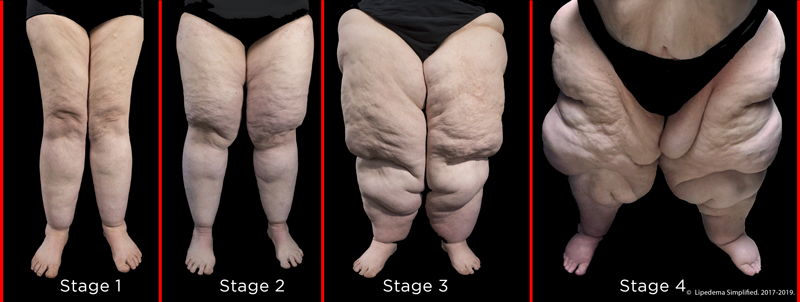
There is a great debate over the best diet for this condition, but I can attest that a vegan diet is by far the best option to slow the progression of lipedema. From the time the fat accumulation began on my pear shaped body, I experienced pain when walking or running. I would describe the pain as being located in the fat tissue and caused by the vibration of each step I took. However, as I’ve switched to a vegan diet high in anti-inflammatory vegetables, fruit, whole grains, nuts, seeds, etc.; this pain in the tissue is nearly gone. I strongly believe that my dietary choices (high fiber, high water content, high nutrient density, loads of antioxidants, and strict avoidance of inflammatory foods such as dairy, etc.) have prevented me from progressing to the next stages of lipedema. Stage 2 is characterized as the fat from the thigh beginning to hang over the knee, and this has never happened to me in my 20 years since puberty (nearly all of them vegetarian, and the past 12 vegan!). Others my age have already typically seen their lipedema move to stage 2 by this point.

Over the past 12 years as a vegan, I gained about 20 pounds of weight in my arms and belly areas due to excessive enjoyment of vegan junk foods, stressful work conditions, and pregnancy. I am slowly but surely losing this weight now with a clean, whole food plants based diet. This diet has slowed the progression of my lipedema, and is advocated by experts on the topic such as Chuck Ehrlich (see below). I accept that the stubborn lipedema fat that makes me extremely pear shaped may not come off my body without surgical intervention, but I am motivated to lose the non-lipedema fat in order to reduce the risks of disease associated with being overweight/obese, including diabetes, heart disease, and cancers.

2025 Update!

In February of 2025, I designed a 180 Day Lipedema Fat Reduction protocol, which has become the focus of this blog and my social media presence! Follow me on YouTube, Instagram, Facebook, and Pinterest for updates on my weight loss while following this unique diet plan, supplement regime, and intense therapy.

Click “LipedemaVegan eBooks” on the top of this page for my helpful resources to get you started on a lipedema-slowing vegan diet today! Information on my protocol will be released via social media channels first, then via a comprehesive downloadable resource!

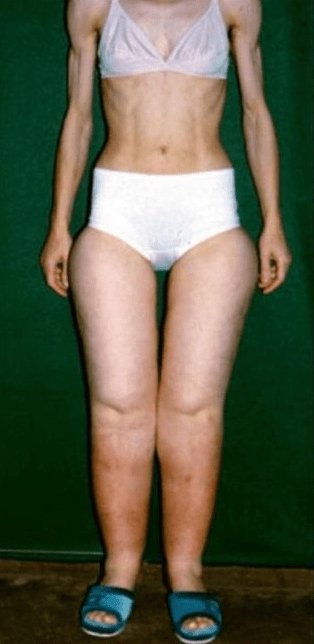
This woman suffers from anorexia, but the lipedema fat tissue is unaffected by the starvation.
The stages of lipedema, from http://www.lipedema-simplified.org .
Fat Loss Strategies · Mindset and Motivation · Satiating Plant Based Meals · Uncategorized

Unpopular Opinion: Intuitive Eating is NOT for Everyone

Call a local nutritionist. Scroll through Instagram. Browse a health/wellness magazine. “Eating intuitively” is a buzzphrase in the weight loss space. But is this sound advice for all peoples? Absolutely not.

147 MILLION people in America are obese. Are all of these people stuffing themselves past the level of fullness everyday? No. If “listening to your body’s hunger signals” worked for all people, then 42% of America would not be obese. If “eat when you hungry and stop when you are full” worked, then why don’t we teach this to the 20% of children who are obese to solve all of their problems. This concept is commonly uttered by thin wellness enthusiasts who have never experienced obesity. And sadly, they don’t realize the harm they are doing.

How “intuitive eating” harmed my health

There was a point when my body would tell me to buy vegan junk food at the grocery store. My body would tell me “just one more Oreo” 25 times in a row. My body would have no problem finishing off an entire bag of salty snack food while watching TV. My body would not be able to stop eating even though my brain was trying to override the hand to mouth movement. My body’s hunger and satiation signals WERE completely out of whack and had been since adolescence. I used intermittent fasting and unhealthy methods of restricting my “eating window” to balance out the caloric intake of these binges.

Out of desperation and complete lack of satisfaction with my growing physical size and overwhelming feelings of being out of control, I contacted nutritionists who blamed my vegan diet for my eating behaviors. They blamed hidden nutrient deficiencies for my binges. They rolled their eyes when I told them I refused to revert back to a standard American diet due to ethical reasons, even when their overpriced blood work all came back normal, showing no deficiencies. But then, they suggested that I needed to learn to listen to my body’s hunger signals to fix this behavior. They said I had been restricting my diet for too long, and that the binges were a result of long term dieting. Finally, we agreed on something.

They told me to listen to my body, eat when hungry, and simply enjoy binge-triggering foods “in moderation”. You can probably guess where this story is going… For me, it’s the salty corn chips and snacks, crunchy cereals, and nuts/nut butters that have always been my downfall. My favorite self-deprecating joke is, “I can eat my weight in Chex Mix!” It’s true what they say, “Once you pop, you can’t stop!”

I followed my nutritionists advice and gained 25 pounds in a relatively short time. I knew that my friends and coworkers noticed although none of them said a single word about it. Moderation was not an option for me. The advice to “eat when hungry” meant that I was eating nearly full sized meals every 2-3 hours. I was listening to my body, and that’s what it was telling me to do. And I was eating what I wanted. Processed and high fat foods that were delicious and always called me back for seconds. When I knew the portions on my plate were too large, I tried to eat mini meals which left me completely unsatisfied. I was completely distracted all day by the thought of my next meal. Thousands of dollars later and 25 pounds heavier, I broke off my relationship with those nutritionists. I can honestly say that this time in my life was the darkest of all of my days.

So how did I get my health back?

I feel healthier now than ever before. And I did figured it out WITHOUT the help of a condescending, anti-vegan nutritionist. I am binge-free for the first time since my teen years! I am in a state of weight loss, despite years of plateaus. I eat three square meals a day comfotably. My hunger is no longer ravenous, but rather a mild nagging reminder that I haven’t eaten in 4-6 hours and should consider what to make for my next meal. My preoccupation with food is gone.

How did I achieve this balance and peace with binge eating and food addiction? The answer is plants- in their whole form. No oil. I began filling half of my plate or bowl with non-starchy vegetables. The other half of my meals consists of starch such as whole, unprocessed grains (such as rice, oats, barley, corn, etc.), potatoes, sweet potatoes, and legumes. This way of eating is advocated by Dr. John McDougall in his book The Starch Solution. Chef AJ, High Carb Hannah, Plantiful Kiki, Chuck Carroll, are YouTube personalities that also promote this way of eating. They attribute their own massive weight loss to this dietary change.

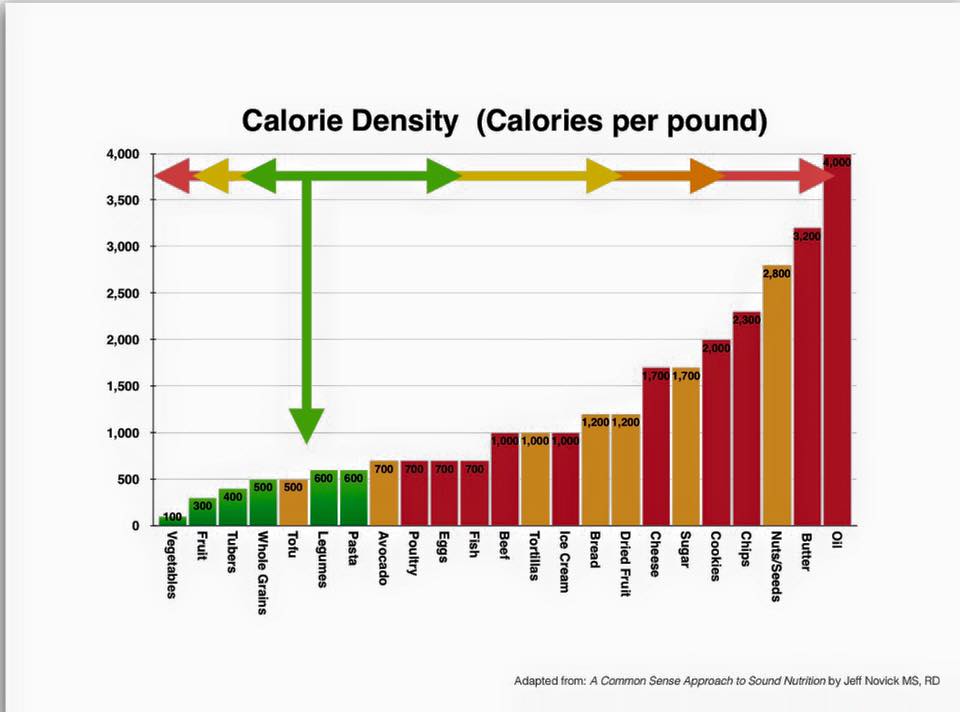
But how does it work? The weight loss from this way of eating is the result of decreased caloric density of your overall meal. Starches have far less calories than meat, cheese, nuts, seeds, and oils. Vegetables have less calories than any other food group. But what they do have are loads of micronutrients, fiber, and water to fill you and satiate you. But avoiding higher fat foods and loading up with starches and veggies, you can eat far more VOLUME with less calories. Dr. McDougall argues that this is the natural diet of the human and that only since the invention of processed foods have we started experiencing early onset diabetes, cancer, and heart disease.

Sample meals

Nonstarchy vegetablesStarches Other ingredients/seasonings
Frozen stirfry veggiesBrown riceLiquid aminos, sriracha, ginger powder
Frozen green beansBaked sweet potatoCinnamon, hot sauce
Roasted Brussels sproutsRoasted potatoesFavorite dry seasoning of your choice and homemade ketchup
Roasted asparagusRoasted butternut squashMaple mustard dressing
Salad mixRice and beansTaco seasoning and salsa
Sautéed zucchiniRoasted acorn squashYour favorite garlic and herb seasonings
Steamed broccoliBrown riceFat free cheese sauce
Boiled cauliflowerBoiled potatoesBoil until tender
Peppers and onionsHashbrown potatoesYour favorite dry seasonings and salsa

I’ve dedicated this blog to sharing this way of eating that has freed me from the shackles of food addiction. For me, the answer was NOT counseling, “listening” to my dysfunctional body, intermittent fasting, skipping meals, diet pills, cutting carbs, or reverting back to meat eating. The answer was PLANTS. Large portions of low calorie foods to fill, satiate, and satisfy my hunger until the next meal… that was the key to breaking my binge eating and starvation cycle! I am excited each meal to fuel my body with wholesome food that nourishes and heals my mind, body, and soul!

I am happy to chat anytime with anyone about this way of eating. Find me on Instagram @weightogovegan, comment below, or email weightogovegan@outlook.com with questions! There is so much more coming soon, but if you are hungry for more information, check out the Starch Solution book that explains everything you need to know about how to eat plants to lose weight and prevent disease! I promise that if you are struggling and commit to trying this for several months, it will change your life as it did mine.

Photo by Darina Belonogova on Pexels.com
Satiating Plant Based Meals · Uncategorized

5 Must-Have Kitchen Gadgets for your Vegan Weight Loss Journey

Microwave steamer: I am absolutely obsessed with this steamer! It is made of silicone, which won’t leach weird chemicals into your food as it cooks. Underneath those luscious veggies, there is a riser that is designed to keep the veggies a few centimeters under the little bit of water you add before placing the lid on. The water boils and circulates to steam the veggies in 8 minutes or less! THIS is why rice and steamed veggies is my fave quick, 10 minute lunch!

Potato Express: This is my favorite contraption for cooking sweet potatoes and potatoes quickly! When I have the time, I oven roast, but at work and when time is limited, I use this fabric bag. Simply wash whole potatoes and pop in the bag. No need to stab with a fork- they will not explode in the bag! A full bag that can lay flat takes about 8 minutes to cook the potatoes! I always have one of these in my desk at work!

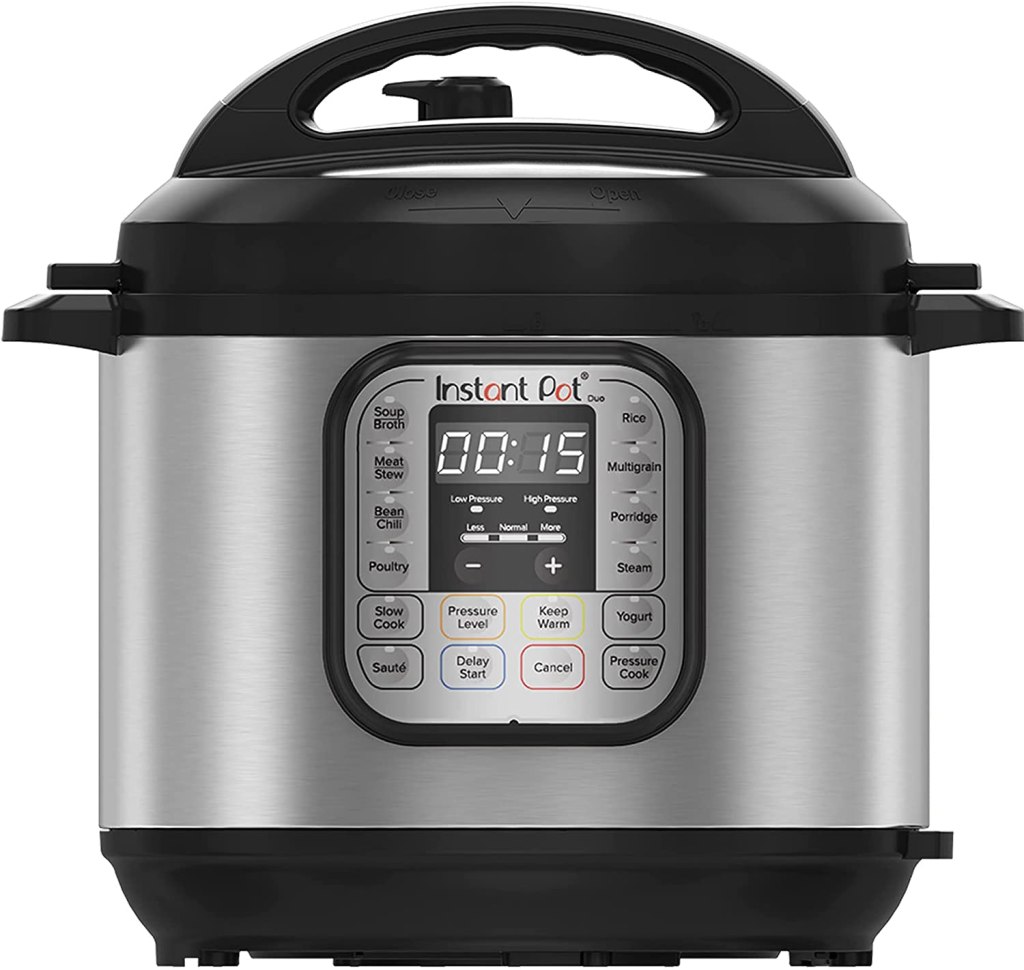
Instant Pot: I own two Instant Pots! I have one large one that I cook my rice in each week, and a mini one (linked to the left) specifically for cooking morning oats (1 cup of oats/groats, 3 cups of water, porridge button = makes 2 servings)! This smaller one is great for single meals, while the larger is great for meal prepping!

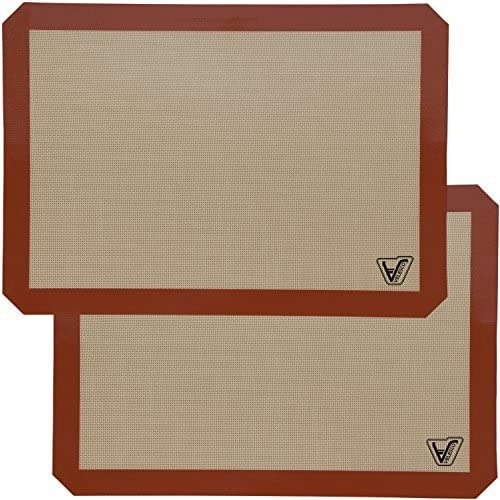
Silicone baking sheet: These baking sheet covers are game changers. Not only will you save on aluminum foil and cleanup, but they really great in the nonstick department. Although I still use a quick spray of Pam when roasting veggies, these are so quick and easy to clean. AND you will save money on baking sheets. I’ve had mine for years!

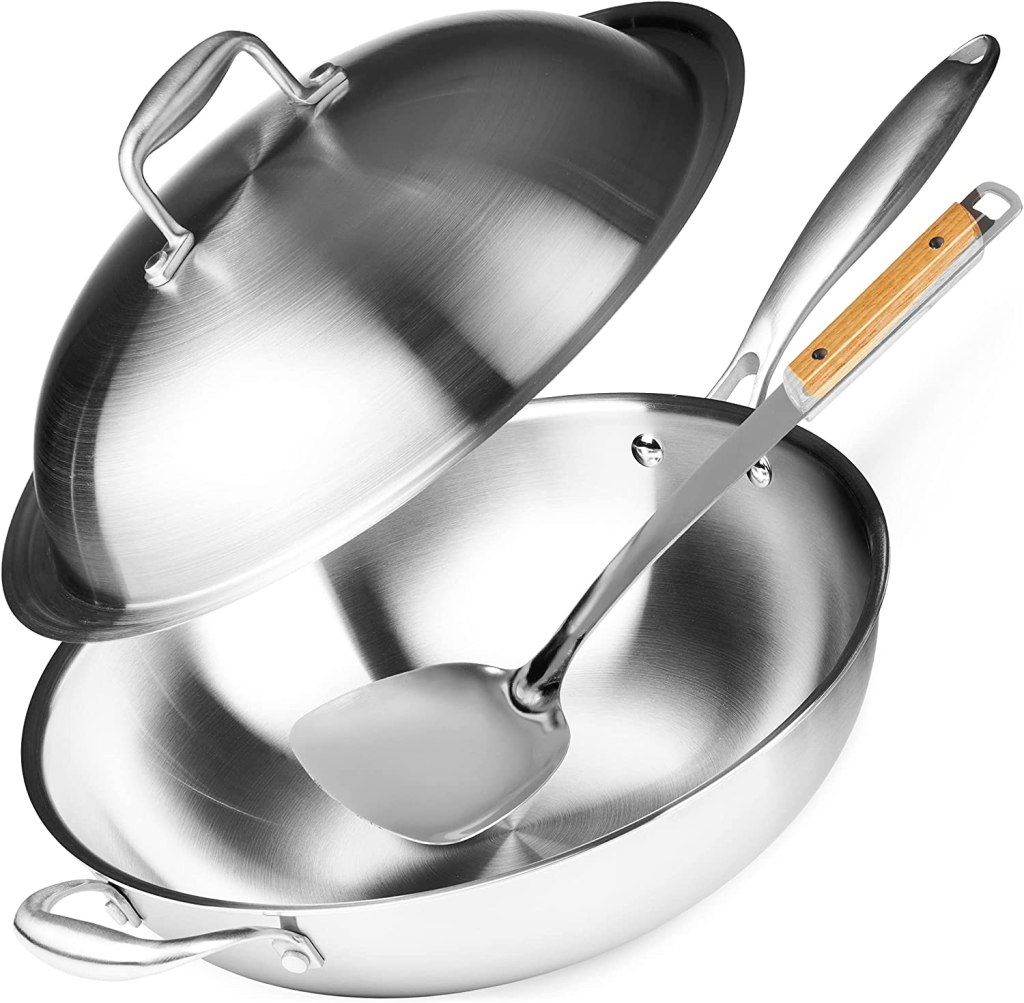
Large stainless steel wok: This wok is amazing. My husband cleans the dishes after I cook, and he always raves about this product! When you are eating whole food plant based, you are preparing a LOT of veggies. You will not survive with some medium sized frying pans. This wok is incredibly nonstick AND holds your biggest stir-fries! We use it often to sauté peppers and onions, which can be a messy task with no oil. Soak it with soapy water, and all that gunk comes right off. It’s also stainless steal so you don’t have to worry about any of those cancer causing nonstick coatings! Check it out!

Fat Loss Strategies · Uncategorized

To Count Calories or Not to Count Calories…

Ahhhh few things stir up debate within the “weight loss” community as the topic of counting calories. Several years ago, a YouTuber named Freelee the Banana Girl and her partner DurianRider famously proclaimed that you could achieve extremely low body fat by eating 3000+ calories, as long as they are of plant origin. This led many vegans, myself included, to go to town on all their favorite whole plant foods, and low and behold, we gained weight because we were not exercising as much as this pair. It is true that consistently eating more calories than you burn leads to weight gain, although that is not the only factor that makes people overfat.

However, it is also detrimental to create extreme caloric deficit. Certainly, eating fewer calories than you burn will result in weight loss. But long term extreme caloric restriction has a multitude of side effects including mood disorders, endocrine dysfunction, disordered eating patterns, and so forth. There is also great debate over the term “metabolic damage“. I personally have experienced long term difficulty losing weight after prolonged periods of extreme caloric deficit, so although there is little research to support this concept, I know first hand that it is true.

There is an anti-diet culture on social media today, and it is easy to understand why. For decades, corporations have made billions of dollars selling “diet” products while purposely confusing the consumer. In actuality, these corporations don’t want you to succeed at weight loss. They want you to become hooked on their product to maintain weight loss. This anti-diet culture often pushes a “fat tolerance” message as well, asserting that it is OK to be fat. I know from personal experience that overweight people are often discriminated against. But obese people are at an increased risk of diabetes, heart disease, and cancer- the top killers of Americans.

So what is the answer for those who are striving to achieve their ideal body weight? What is the answer for those who are not comfortable being overweight and obese?

Well, you do need to eat less than you burn, but not too much less. This can be achieved by eating more of the low caloric density foods (indicated in green below) and less of the yellow and red food categories! The foods in the green category below are also filled with water and fiber to increase satiation and fullness, a necessary component of a healthy lifestyle. And we all know what it feels like to be on a diet where you never feel full. A caloric deficit of about 500 calories per day will be the goal, but please know that only calorie calculators (and the ones on exercise machines and pedometers) are wildly inaccurate.

Counting calories daily is not necessary when eating calorie dilute foods! However, once you get into the groove of this whole food plant based lifestyle, I would advise that you enter your calories into a calorie counter to make sure you are not overeating (or undereating), especially if you are coming from a binge eating or disordered eating past. I checked my calories yesterday while following the #eatyourvegchallenge, and found that I was eating 1700 calories which is a great amount for weight loss for my height, weight, and activity level! More about binge eating in my next post!