Uncategorized

Resistant Starch and the Vegan Lipedema Diet: How It Supports Fat Loss & Gut Health

Resistant starch is gaining attention in the nutrition world for its unique ability to support gut health, enhance insulin sensitivity, and contribute to fat loss. For women with lipedema, resistant starch can be an essential part of a balanced, anti-inflammatory vegan diet that promotes stable blood sugar, reduced inflammation, and improved digestion.

As part of my 180-day Vegan Lipedema Fat Reduction Protocol, I strategically include resistant starch in lunches as part of my carbohydrate tapering approach—consuming moderate amounts of complex, slow-digesting carbs early in the day and tapering down to low-carb meals by dinner. This structure optimizes fat metabolism while supporting gut health, satiety, and blood sugar stability.

In this post, I’ll break down:
What resistant starch is and why it’s beneficial
✅ The best vegan sources of resistant starch (since you won’t find ANY on a keto diet)
Cooking techniques to increase resistant starch content
How it fits into my lipedema diet plan

Let’s dive in!


What Is Resistant Starch?

Resistant starch (RS) is a type of carbohydrate that resists digestion in the small intestine and instead ferments in the large intestine, acting as a prebiotic fiber (Zaman et al., 2019). Unlike regular starches that quickly convert into glucose, resistant starch slows digestion, leading to improved insulin sensitivity, prolonged satiety, and beneficial gut bacteria growth (Zeng et al., 2023).

Key Benefits of Resistant Starch for Lipedema

  1. Supports Insulin Sensitivity – Women with lipedema often struggle with impaired fat metabolism and lymphatic dysfunction, which can worsen with insulin resistance (Herbst, 2012). Resistant starch reduces postprandial blood sugar spikes, improving insulin sensitivity and promoting a fat-burning metabolic state (Robertson et al., 2005).
  2. Feeds Beneficial Gut Bacteria – RS acts as a prebiotic, feeding gut bacteria like Bifidobacteria and Akkermansia muciniphila, both associated with lower inflammation, improved digestion, and enhanced fat metabolism (Martinez et al., 2010). Gut dysbiosis is commonly linked to lipedema, making gut health a key area of focus.
  3. Increases Satiety and Reduces Hunger – Because RS slows digestion and produces short-chain fatty acids (SCFAs) like butyrate, it helps increase satiety hormones and reduce cravings (Zaman et al., 2019). This is particularly useful in appetite control and caloric deficit strategies for weight management in lipedema.
  4. May Reduce Inflammation & Fibrosis – Some studies suggest RS modulates the immune system, reducing inflammatory markers like TNF-alpha and IL-6, which are elevated in lipedema (Zeng et al., 2023). Additionally, its influence on gut microbiota and SCFA production may indirectly affect fibrosis formation, a key issue in lipedema progression.

Best Vegan Sources of Resistant Starch

Resistant starch is naturally found in several plant-based foods, particularly legumes, whole grains, tubers, and green bananas. Below are some of the best vegan-friendly sources of resistant starch:

High-Resistant Starch Vegan Foods

FoodRS TypeServing Suggestions
Cooked & Cooled RiceRS3Make cold rice salads or sushi rolls
Cooked & Cooled PotatoesRS3Use in potato salads or reheat gently
Green Bananas & PlantainsRS2Blend into smoothies or slice over oatmeal
Lentils & ChickpeasRS1 & RS3Add to salads, soups, or hummus
Oats (Soaked or Cooked & Cooled)RS3Use in overnight oats or chilled oatmeal
Beans (Black Beans, Kidney Beans, Navy Beans)RS1 & RS3Include in chili, burritos, or cold bean salads

How Cooking & Cooling Enhances Resistant Starch

Cooking changes the starch structure, but cooling it afterward retrogrades the starch, increasing resistant starch content. Here’s how to maximize RS in your meals:

  1. Cook & Cool Method (RS3 Formation)
    • Cook rice, potatoes, pasta, or oats and let them cool for at least 12 hours before consuming.
    • The cooling process increases resistant starch levels by up to 300% (Zaman et al., 2019).
    • The best part? Even if you reheat them later, they retain their resistant starch properties.
  2. Eat Raw or Minimally Processed RS2 Sources
    • Green bananas, plantains, and some unprocessed grains contain RS2, which remains resistant unless cooked.
    • These are great to add raw in smoothies, muesli, or as a snack.
  3. Use Legumes & Beans for RS1 & RS3
    • Soak, cook, and cool beans and lentils for maximum RS formation.
    • Adding them to cold salads or dips maintains their resistant starch benefits.

How Resistant Starch Fits into My 180-Day Vegan Lipedema Fat Reduction Protocol

In my 180-day protocol, I use resistant starch at lunch to:
Provide slow-digesting carbohydrates for sustained energy without blood sugar spikes.
Increase satiety to reduce hunger and cravings in the afternoon.
Optimize gut microbiome health, which is crucial for inflammation control and metabolism.
Support my carbohydrate tapering strategy, where I eat more carbs earlier in the day and reduce them in the evening to encourage fat-burning overnight.

Example Lunches in My Protocol

🥗 Cold Lentil & Chickpea Salad – A mix of cooled lentils, chickpeas, cucumbers, lemon dressing, and parsley for gut-friendly fiber and resistant starch.

🍚 Cooled Rice & Tofu BowlJasmine or basmati rice, cooled overnight, with tofu, avocado, and miso dressing for a blood sugar-friendly, high-RS meal.

🥔 Potato & Bean SaladCooled roasted potatoes with black beans, tahini dressing, and kale for a high-RS, anti-inflammatory dish.

These meals keep me full, balance my energy, and promote metabolic flexibility, helping maximize fat loss while maintaining muscle mass.


Final Thoughts

Resistant starch is an underutilized tool for women with lipedema who want to enhance fat metabolism, stabilize blood sugar, and improve gut health. By strategically including cooked and cooled resistant starch sources in my protocol, I optimize digestion, insulin sensitivity, and satiety, making it easier to maintain a caloric deficit without excessive hunger.

Would you like to see more resistant starch meal ideas for your vegan lipedema diet? Let me know in the comments!


Citations

  • Herbst, K. L. (2012). Subcutaneous adipose tissue diseases: Dercum disease, lipedema, and familial multiple lipomatosis. Obesity Surgery, 22(4), 615-626.
  • Martinez, I., Kim, J., Duffy, P. R., Schlegel, V. L., & Walter, J. (2010). Resistant starches promote beneficial gut microbiota in humans. Applied and Environmental Microbiology, 76(13), 4365-4372.
  • Robertson, M. D., Bickerton, A. S., Dennis, A. L., Vidal, H., & Frayn, K. N. (2005). Insulin-sensitizing effects of dietary resistant starch. Diabetes, 54(4), 1047-1054.
  • Zaman, S. A., & Sarbini, S. R. (2019). The potential of resistant starch as a prebiotic. Critical Reviews in Biotechnology, 39(4), 495-507.
  • Zeng, Y., et al. (2023). Resistant starch: A functional carbohydrate improving metabolic health. Nutrients, 15(5), 1123.
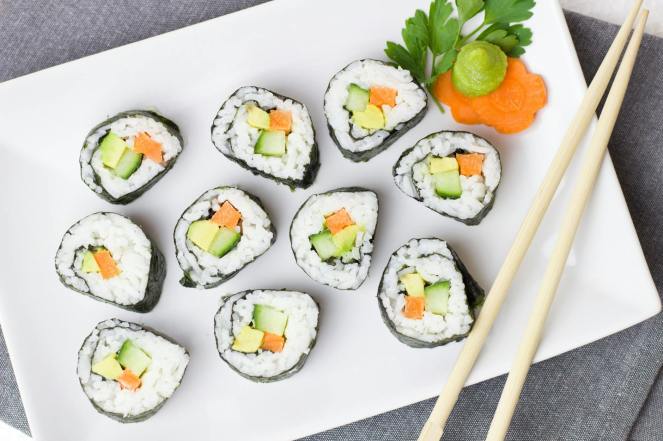
Photo by Pixabay on Pexels.com
Fat Loss Strategies · Mindset and Motivation · Practical self-care strategies · Uncategorized

Is it possible to be overweight AND undereating?

We’ve heard it since 6th grade PE class. If you eat more calories than you need, you’ll gain fat. And in order to lose weight, you just need to eat fewer calories… or at least that’s what the experts in our lives told us. Doctors, PE teachers, coaches, family members, magazines, etc. all told us that we needed to eat less to lose weight. And if you wanted to lose weight and reach your ideal body weight, you listened, didn’t you? You listened to them:

  • you starved yourself
  • you got comfortable with the feeling of being hungry
  • you always ate less than you wanted (except for those binges that resulted from hours and days of deprivation)
  • you beat yourself up when you gave in to cravings
  • you always tried again every Monday

Fast forward past all puberty, childbirth, sedentary jobs, traumatic and painful times in our lives, and all of the stressful events in our life that contributed to weight gain. You may be left with unwanted fat, and completely baffled by how you could be constantly dieting for years and decades, yet still be overweight!

Kim Kardashian eats 1700 calories per day, and is 5’3 and 110 pounds. Have you tried losing weight eating by eating between 1600-1800 and still failed to lose a single pound? How can a woman or man who weighs 100 pounds more than Kim Kardashian NOT lose weight consuming the same amount of caloric energy that she does?

How can a woman or man who weighs 100 pounds more than Kim Kardashian NOT lose weight consuming the same amount of caloric energy that she does?

The answer, quite simply, is metabolism. What if I told you that the harder you have tried to lose weight, the more difficult it will be? The second you decide to drastically cut calories in order to maximize your caloric deficit, you are creating a plateau and will be stuck at that undesirable weight until you begin to nourish your body. The key to weight loss is slow and steady weight loss, otherwise your body will work against your best efforts. And you may be burning more than you thought you were! (Check out the weight loss calculator at the end of this article)

Reverse dieting is all the rage in weight loss and body building communities these days, but what does it mean? Reverse dieting is the act of beginning to add MORE calories to your diet at a slow rate, in order to end a diet or increase your metabolism. Everyone has heard about folks who lost large amounts on weight, only to return to the unhealthy eating habits of their past and regain the weight they lost (and then some!). Your body is designed for survival. If you overfeed, it will store the extra calories as body fat for a future famine when you may need that fat for energy! The problem is, that in America, that day of famine never comes, and our bodies are biologically designed to hold on to that body fat.

But what if I told you that gradually increasing the calories you eat might actually result in weight loss? I personally never lost a pound after months of eating 1700 calories, but when I increased my intake to 2000 calories of whole food plant based meals, I finally saw the scale move in the right direction! Of course everyone’s target calories are unique to their age, height, weight, and activity level! What types of foods are considered WFPB? Whole grains, root vegetables, legumes, vegetables, fruits, seeds, and nuts, of course!

You know what else happened when I increased my caloric intake? I felt happier and healthier. I was more energetic to squeeze in that dog walk. I had less brain fog and more focus. I became goal-oriented. I met my pedometer and step goals with ease! It is possible that the rut you are in is caused by under nourishing yourself, and if you simply increased your intake of healthy foods, you would feel re-energized AND would accomplish your health related goals! Reach out any time to discuss your weight goals with me. I’m here for you!

Also, I highly recommend the following calculator for weight loss. Track your calories for a few day and see if you are eating more or less than this target! https://www.bodybuilding.com/fun/macronutcal.htm

Photo by Amina Filkins on Pexels.com
Fat Loss Strategies · Mindset and Motivation · Uncategorized

“Intuitive Eating” and Other Lies the Internet Tells

The internet is filled with people who want to tell you good news about your bad habits. 🧁 People who have never experienced obesity think that their 25 pound weight loss (if that!) gives them the authority to tell overweight and obese people that eating the foods that made them fat in the first place will result in weight loss, if they just listen to their bodies. 🤡 Here is the problem with that logic:

🍎 Obesity is caused by insulin resistance and overeating. If people could control their overeating, they wouldn’t be obese in the first place. What’s the solution? Eat the right foods that cure insulin resistance, such as those advocated by @masteringdiabetes ! Whole food plant based low fat foods for the win!
🍎 Obese people often have stretched out stomachs from years of overeating. Is a 100 calorie pack of Oreos going to help them reach their a healthy weight? No- but a low fat whole food plant based diet allows for individuals to eat higher food volume since veggies, fruit, whole grains, potatoes, and legumes are so calorie dilute versus all of the processed crap in the grocery store.
🍎 Obese people have disregulation of their grehlin and leptin systems- which may actually be a genetic issue. Telling obese people to “just stop eating when you are full” is absolutely fat shaming. But filling up on high water content and fiber foods that stretches the stomach lining and effectively signals to the brain that the meal can end is the solution. Not oily foods or processed protein powders, but real whole plant based food filled with micronutrients.

I’m not afraid to use the word “obese” because I’ve been there. And when I studied neuroscience in my undergrad, my professors were involved in research equating the effects of high sugar and high fat foods on the brains of obese people to that of cocaine on the brains of addicts or alcohol on the brains of alcoholics.

I’m definitely not saying you can’t enjoy a slice of birthday cake or some vegan pizza on your date night, but if your goal is weight loss, the name of the game is discipline in eating whole food plant based to create a consistent calorie deficit. The caloric deficit is the only way, and it’s a lot easier to accomplish long term by focusing on whole foods!

Photo by Andres Ayrton on Pexels.com
Fat Loss Strategies · Mindset and Motivation · Uncategorized

How to Lose Weight on a Budget

Whether your new year’s resolution is to lose weight, go vegan, or follow a budget; this article is for you! I am one of the hundreds of thousands of people who quit their full time job in Fall of 2021. I was a teacher for 10 years before a second career in healthcare/medical education. At the start of the pandemic, I started a local business which took off and allowed for me to become a full-time entrepreneur! I now run three businesses AND am preparing to buy a second real estate property for investment purposes in the next few months!

Being a full-time entrepreneur has been so exciting, but there are certainly aspects that require adjusting when you are coming from the security of a 9-5 career. One of those things is the need for an emergency savings fund! Right after I quit my job, my home’s air conditioner broke (of course!!). $8,000 later, we had a new furnace and AC unit but a dwindled emergency savings fund.

My new year’s resolutions are to continue losing weight on a whole food plant based vegan diet AND to keep my monthly meals under $350 total per person! Here’s how my $350 in food cost is broken down:

$350 divided by 30 days in a month = $11.67 in food costs per day

Three meals a day = $3.89 each Typical meals look like the following:

Breakfast= 2 baked sweet potatoes (97 cents), totaling 0.75 pounds, with a drizzle of maple syrup, cinnamon, salt, and hot sauce. Berry smoothie featuring 1 cup of frozen organic berries ($2.25) and 1 cup of frozen spinach (38 cents). TOTAL COST: $3.60

Lunch= 1.5 cups of rice (appx 50 cents) and 8 oz of frozen vegetable stir fry ($1.39), with 2 tbsp of teriyaki sauce, and an apple (75 cents)! TOTAL COST: $2.64

Dinner= A tray of roasted vegetables, including 3/4 pound of potato ($1 cents) and 2 cups of frozen green beans, (42 cents) and 2 tbsp of ketchup. TOTAL COST: $1.42

Dessert= 2 frozen bananas (60 cents) with 2 tbsp of cocoa powder to make chocolate banana nice cream! TOTAL COST: $0.60

These three meals cost $8.26 for the core food groups, allowing for some wiggle room in purchasing condiments, coffee, almond milk for that coffee, tea, etc!

Over the past several months, I’ve shifted my baseline diet to an ultra nutrient dense, whole food plant based diet. My current shift is to lower the cost of my groceries for financial freedom as I run multiple businesses and build an emergency savings fund! As I enter week three of this new eating and budgeting arrangement, it’s going great! Legumes, whole grains, vegetables, and fruits for the win! Follow my blog and find me on IG for more budget-friendly vegan weight loss tips!

Photo by Daria Shevtsova on Pexels.com
Mindset and Motivation

A Guide to the New Healthier You!

If you are overweight, you have an overweight mindset. As much as we want to feel like victims to a cruel world that made us fat, ultimately it was our decisions that made our bodies overly fat. Recovery starts by realizing that we have a problem with our current behaviors and taking responsibility for the changes we want to see.

If you are eating junky processed foods, it’s no surprise that you “can’t lose weight”. If your day is largely sedentary, it’s no surprise that you “can’t lose weight”. If you eat clean all week and then go buckwild on the weekends, it’s no surprise that you “can’t lose weight”. In contrast, how would your weight look if you walked at least 5 days a week for 45 minutes, if you did strength training at least 2 days a week for 30 minutes, if you broke up long periods of sitting with a quick Zumba workout, if your everyday breakfasts and lunches were predictably healthy yet satisfying, if dinnertime prep consisted of chopping loads of fresh veggies and whole plant foods?

Perhaps you overeat when you are stressed out. Perhaps you can’t say no when your favorite snack foods are on sale. Perhaps you drink alcohol when you are bored or frustrated. Perhaps your alcohol consumption leads to decreased inhibitions when it comes to food choices. How do we get to be the people we want to be? How can we reprogram ourselves so that our baseline behaviors are healthy ones, perhaps with the exception of special occasions?

Highly successful people know that change comes from within ourselves. The change you seek is seeking you. The person you want to be is always one decision away. Each day, we must choose to be the healthier version of ourselves with our thoughts and behaviors. Would the healthier version of you finish off the tray of Oreos? Would the healthier version of you snack on processed foods while watching Real Housewives reruns? Or do those behaviors belong the the old you- the one that is long gone at this moment, because you decide it is so.

One of the first vegan resources I ever came across was a book series called “Skinny Bitch”. Her attitude, while controversial, was that if you wanted to lose weight, you had to stop acting like a fat person. You had to stop eating what fat people eat. And you needed to start behaving more like a skinny person. This approach received some pushback because there is thin line between this type of reasoning and the flawed reasoning associated with addictive eating disorders. However, I think that overweight folks do need to understand that they are never going to be like that one friend who can eat burgers and fries at the drive through and never gain a pound. If your life experiences have taught you that your genes are programed to accumulate adipose, then behaviors must be changed. And that all starts in the mind.

There is incredible research into manifestation and multiple universe theories that assert that we truly design our future with each thought, behavior, and action. However, this all begins with our thoughts- what we think is possible, what we think we are capable of… You are capable of living a healthier life. You are capable of sticking with it. You are capable of turning your life around and being an inspiration to others. But it begins with your decision to be the new you! More to come on mindset and motivation, but please reach out at weightogovegan@outlook.com or comment below if you are ready for the new you!

Photo by Andres Ayrton on Pexels.com